

Can Dry Food Make Dogs Sick?
While often convenient and budget-friendly, dry dog food can, under certain circumstances, contribute to health issues in dogs. Therefore, choosing high-quality food and being mindful of storage and feeding practices is crucial for ensuring your dog’s well-being.

A Deep Dive into the World of Dry Dog Food and Canine Health
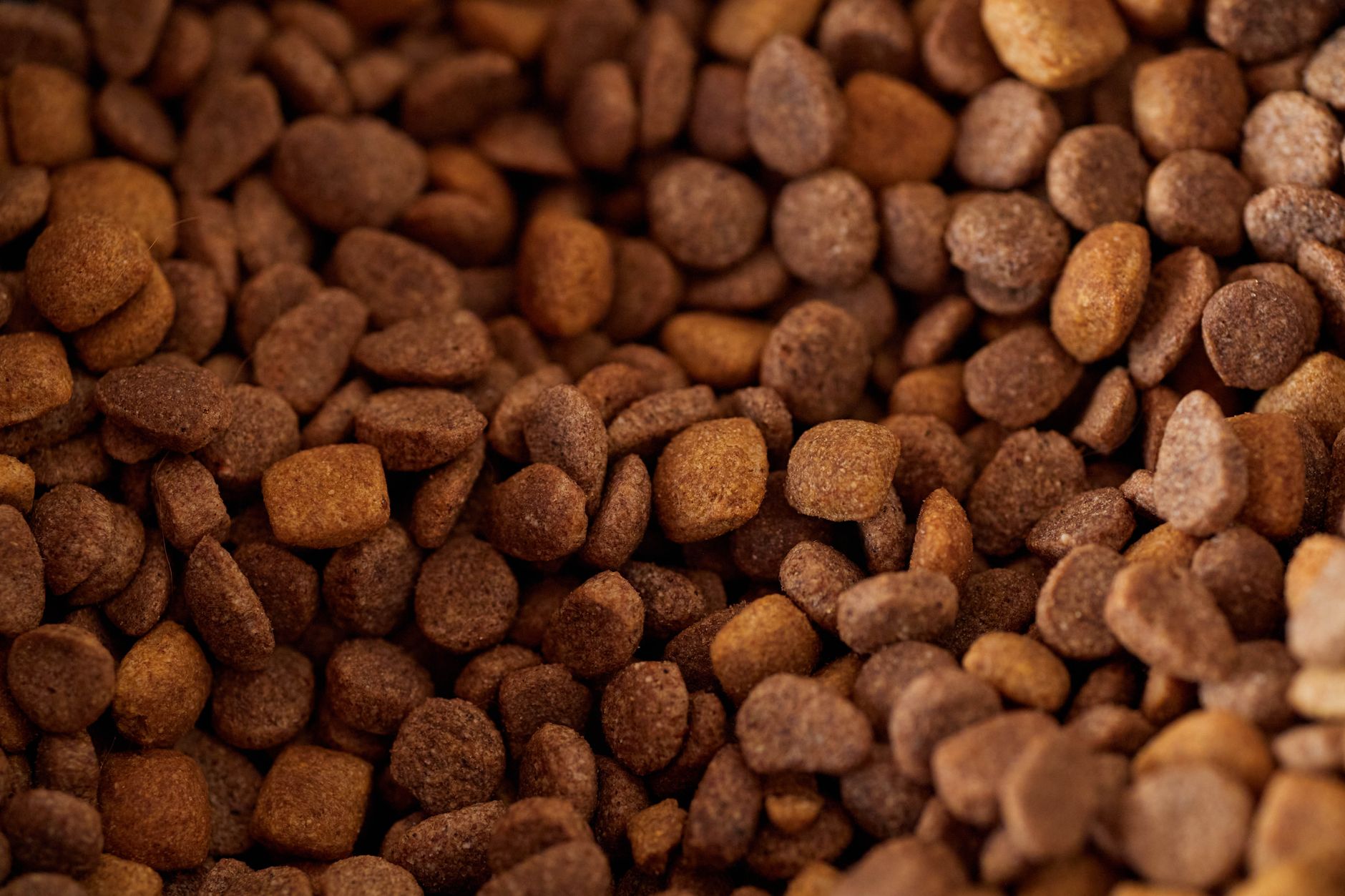
Dry dog food, also known as kibble, is a staple in many canine diets. Its affordability, long shelf life, and ease of storage have made it a popular choice for pet owners. However, can dry food make dogs sick? Understanding the potential downsides of dry food, along with the benefits, is crucial for making informed decisions about your dog’s nutritional needs. This article will explore the factors that contribute to dry food-related illnesses in dogs and how to mitigate these risks.
What colours are fish most attracted to?
Can you put your finger in a trout's mouth?
Is methylene blue anti bacterial?
Does aquarium salt raise pH in aquarium?
Benefits of Dry Dog Food

Despite the potential downsides, dry dog food offers several advantages:
- Convenience: Easy to store, measure, and serve.
- Affordability: Generally less expensive than wet or raw food options.
- Dental Health (potentially): Some kibble is designed to help scrape away plaque and tartar, promoting better dental hygiene, although the effectiveness is debatable and often relies on specific kibble shape and ingredients.
- Long Shelf Life: Can be stored for extended periods without spoiling, when properly sealed.
Potential Risks Associated with Dry Dog Food
The question “Can dry food make dogs sick?” is valid, and several factors contribute to potential health issues:
- Ingredient Quality: Some dry dog foods contain low-quality ingredients, such as fillers, artificial colors, and preservatives, which can lead to allergies, digestive upset, or nutritional deficiencies.
- Processing Methods: High-heat processing can destroy essential nutrients and create potentially harmful compounds like acrylamide.
- Contamination: Dry food can be susceptible to contamination with bacteria, mold, or toxins, especially if not stored properly. Aflatoxins, produced by certain molds, are a significant concern.
- Dehydration: Dry food contains a lower moisture content than wet food, potentially leading to dehydration, especially in dogs that don’t drink enough water.
- Digestive Issues: Some dogs struggle to digest dry kibble properly, leading to bloating, gas, or diarrhea.
- Obesity: Dry food is often calorie-dense. Overfeeding, especially with cheaper brands that lack fiber, can contribute to weight gain and obesity-related health problems.
The Importance of Ingredient Lists and Nutritional Adequacy
Reading and understanding the ingredient list is paramount. Look for:
- Named Meat Sources: Chicken, beef, lamb, rather than “meat meal” or “animal digest.”
- Whole Grains: Brown rice, quinoa, oats (if grains are desired).
- Vegetables and Fruits: Sources of vitamins, minerals, and fiber.
- Avoidance of Fillers: Corn, wheat, soy (unless your dog has no sensitivities).
- No Artificial Colors, Flavors, or Preservatives: These can trigger allergies or sensitivities.
Nutritional adequacy statements on the label indicate that the food meets the standards established by the Association of American Feed Control Officials (AAFCO). Ensure the food is appropriate for your dog’s life stage (puppy, adult, senior).
Proper Storage and Handling to Prevent Contamination
Proper storage is essential to prevent contamination and degradation of dry food:
- Original Bag (Ideally): Store food in its original bag, rolled down tightly, to preserve freshness and protect against pests and moisture.
- Airtight Container: Use an airtight container made of food-grade plastic or stainless steel.
- Cool, Dry Place: Store the container in a cool, dry place, away from direct sunlight and humidity.
- Avoid Moisture: Never store food in damp or humid environments.
- Wash Container Regularly: Clean the container regularly with soap and water to prevent the buildup of bacteria or mold.
Transitioning to a New Dry Food
Switching to a new dry food should be done gradually over 7-10 days to prevent digestive upset:
- Day 1-2: Mix 25% new food with 75% old food.
- Day 3-4: Mix 50% new food with 50% old food.
- Day 5-6: Mix 75% new food with 25% old food.
- Day 7-10: Feed 100% new food.
Monitor your dog’s stool and appetite during the transition. If you notice any signs of digestive distress, slow down the transition or consult your veterinarian.
Recognizing Signs of Food Sensitivity or Allergy
If you are worried about “Can dry food make dogs sick?,” be vigilant for any signs of allergic reaction or sensitivity.
- Skin Issues: Itching, hives, redness, hair loss, ear infections.
- Digestive Issues: Vomiting, diarrhea, gas, loss of appetite.
- Respiratory Issues: Coughing, sneezing, difficulty breathing (rare, but serious).
If you suspect a food allergy, consult your veterinarian. They may recommend an elimination diet to identify the offending ingredient.
Frequently Asked Questions (FAQs)
Is grain-free dry food healthier for dogs?
Grain-free diets aren’t inherently healthier for all dogs. While they can be beneficial for dogs with grain allergies, many grain-free foods substitute grains with other carbohydrates like potatoes or peas, which can still contribute to weight gain or blood sugar imbalances. Furthermore, some studies have linked grain-free diets to dilated cardiomyopathy (DCM) in certain breeds, although more research is needed.
Can dry food cause bloat in dogs?
While bloat (gastric dilatation-volvulus or GDV) is a complex condition, consuming dry food, especially rapidly, can increase the risk, particularly in large, deep-chested breeds. Soaking dry food before feeding and using a slow-feeder bowl can help reduce the risk of bloat.
Is it better to feed dry or wet food?
Both dry and wet food have their pros and cons. Wet food has a higher moisture content, which can be beneficial for hydration, while dry food is more convenient and often more affordable. The best choice depends on your dog’s individual needs, preferences, and health conditions. Consult your veterinarian for personalized recommendations.
How do I know if my dog is allergic to their dry food?
Signs of a food allergy in dogs include skin irritation (itching, redness, hives), digestive upset (vomiting, diarrhea), and ear infections. If you suspect a food allergy, consult your veterinarian, who may recommend an elimination diet to identify the allergen.
Can dry food cause kidney problems in dogs?
Dehydration, which can be exacerbated by a dry food-only diet, can potentially contribute to kidney problems, especially in dogs prone to kidney disease. Ensuring your dog has access to plenty of fresh water and considering adding wet food to their diet can help support kidney health.
How much dry food should I feed my dog?
The amount of dry food you should feed your dog depends on their weight, age, activity level, and the specific food you’re using. Always follow the feeding guidelines on the food label and consult with your veterinarian for personalized recommendations.
Is it okay to mix dry and wet dog food?
Yes, mixing dry and wet dog food is perfectly fine and can offer a balanced diet that combines the convenience of dry food with the increased hydration of wet food. Just be sure to adjust the quantities of each to avoid overfeeding.
What are the best dry dog food brands?
The “best” dry dog food brand varies depending on your dog’s individual needs and budget. Look for brands that use high-quality ingredients, have a good reputation, and meet AAFCO standards. Consult with your veterinarian for recommendations specific to your dog.
How often should I change my dog’s dry food?
There’s no set rule for how often you should change your dog’s dry food. Unless your dog has a specific health condition that requires a change, or if you’re simply looking to improve their diet, there’s no need to switch foods frequently. If you do decide to switch, do so gradually to avoid digestive upset.
Can dry food cause dental problems in dogs?
While some dry food is marketed as promoting dental health, the effectiveness is debatable. The best way to maintain your dog’s dental health is through regular brushing, dental chews, and professional dental cleanings.
What is “meat meal” in dry dog food?
“Meat meal” is a concentrated protein source made by rendering animal tissues. While it can be a nutritious ingredient, the quality of the meat meal can vary widely. Look for foods that specify the source of the meat meal (e.g., “chicken meal” or “beef meal”) rather than just “meat meal.”
Can dry food expire?
Yes, dry food can expire. Always check the expiration date on the bag and discard any food that is past its expiration date. Expired food can lose its nutritional value and may be contaminated with bacteria or mold.