
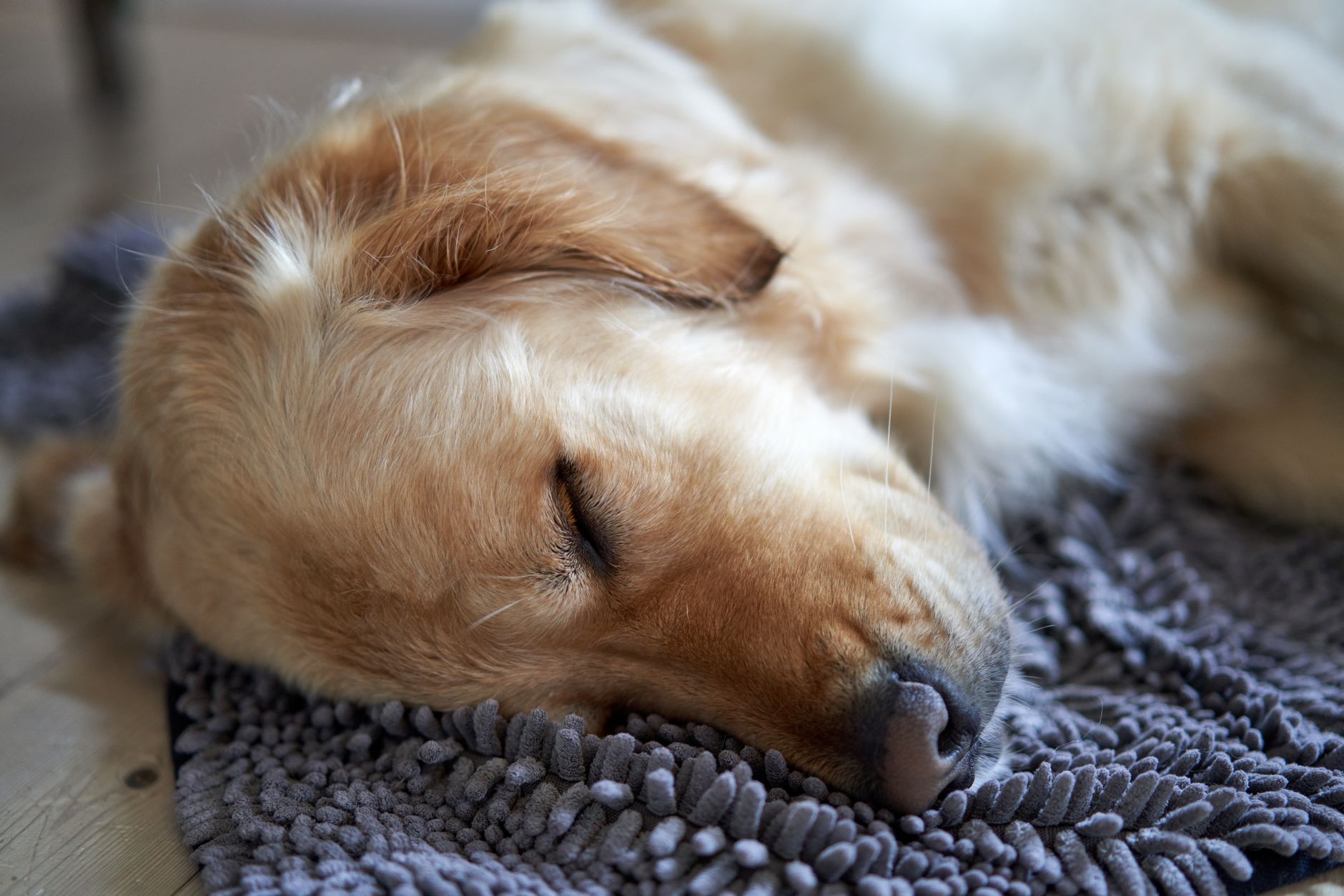
Can Dogs Tell When We’re Sleeping? Unveiling Canine Awareness
Yes, dogs absolutely can tell when we are sleeping. They rely on a combination of cues, including decreased movement, changes in breathing patterns, and a lack of verbal communication, to recognize our state of unconsciousness.

Understanding Canine Sleep and Perception
Dogs, our loyal companions, possess a sophisticated understanding of human behavior. They are highly attuned to our routines and emotional states. But how much do they really grasp about the intricate workings of our sleep cycle? Can dogs tell when were sleeping? This question delves into the fascinating intersection of canine perception, behavioral observation, and interspecies communication.
- Evolutionary Roots: Domestication has honed dogs’ ability to interpret human cues for survival and social harmony.
- Sensory Acuity: Dogs have exceptional senses of hearing and smell, exceeding our own capabilities.
- Behavioral Observation: They constantly monitor our actions, learning to associate specific patterns with different states of consciousness.

What colours are fish most attracted to?
Can you put your finger in a trout's mouth?
Is methylene blue anti bacterial?
Does aquarium salt raise pH in aquarium?
Cues Dogs Use to Detect Sleep
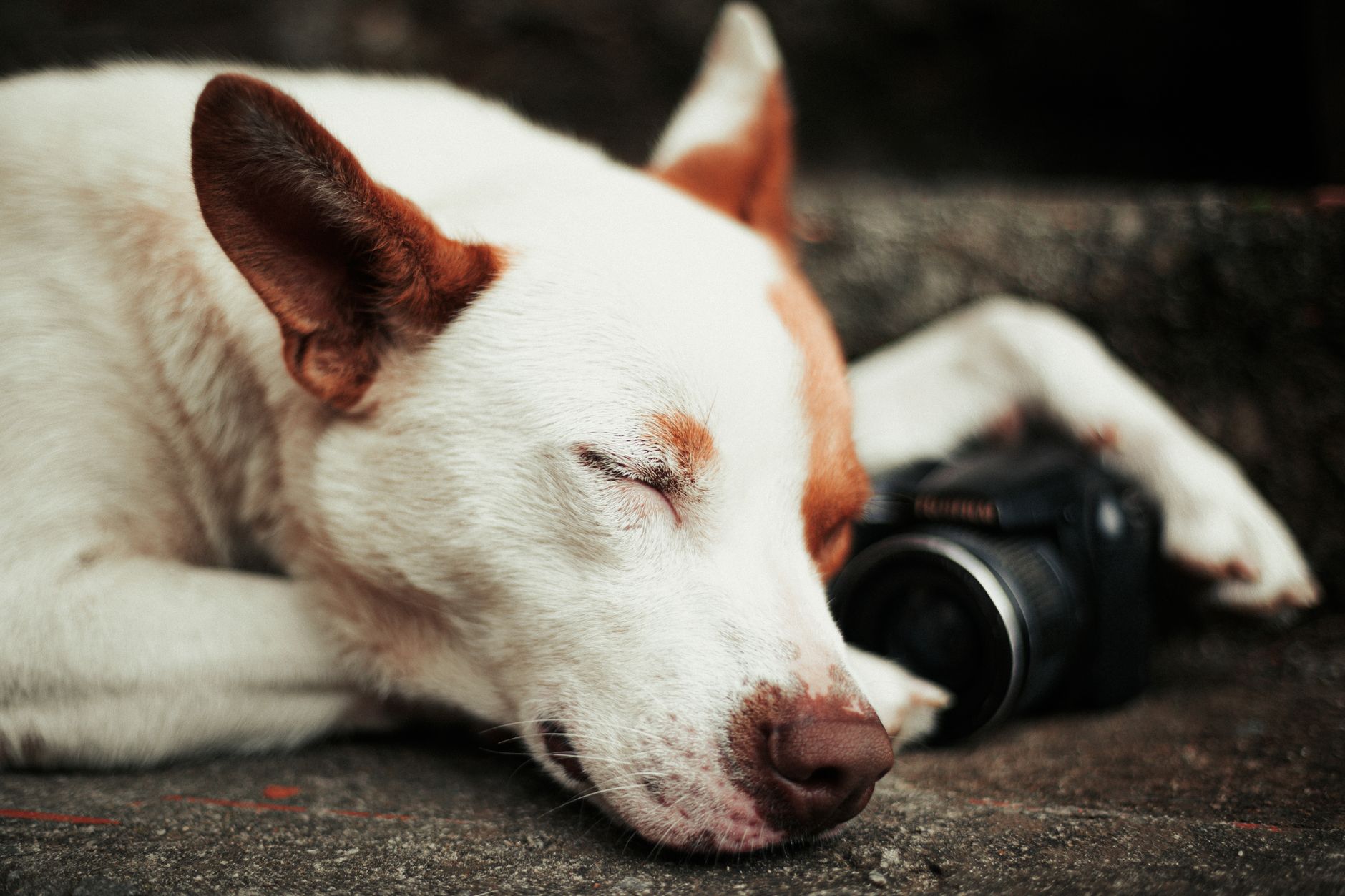
Dogs don’t need a scientific explanation to know when we’re asleep. They rely on a complex interplay of observable and detectable cues. Understanding these cues sheds light on how can dogs tell when were sleeping?
- Reduced Movement: The absence of purposeful movement is a key indicator. Dogs are accustomed to our active interactions and recognize stillness as a sign of rest.
- Changes in Breathing: They notice the slower, more regular breathing patterns associated with sleep. Snoring, while sometimes amusing, is another telltale sign.
- Lack of Verbal Communication: Our silence, a stark contrast to our usual chatter, signals a change in state.
- Relaxed Posture: A limp body and relaxed facial muscles are visually obvious cues indicating a deeper state of relaxation.
- Environmental Context: The time of day, location (e.g., bed, couch), and dim lighting all contribute to the context in which they interpret our behavior.
The Importance of Routine
Dogs thrive on routine, and our sleep schedule is a prominent feature of their daily life. This predictability strengthens their ability to accurately recognize when we’re sleeping.
- Daily Rhythms: They learn to associate certain times with bedtime.
- Pre-Sleep Rituals: Brushing teeth, reading in bed, or turning off the lights become cues that trigger their understanding of our impending sleep.
- Consistency is Key: A consistent sleep schedule reinforces their ability to predict and recognize our sleeping state.
Implications for Canine Behavior
Understanding that we are asleep has a direct impact on a dog’s behavior. Their actions often reflect a respect for our rest and an inherent understanding of appropriate conduct during this vulnerable time.
- Quieter Behavior: Many dogs instinctively become quieter and less active when their owners are asleep.
- Protective Instincts: They may exhibit increased vigilance, guarding the sleeping owner.
- Reduced Demands for Attention: They generally understand that playtime and demands for attention are inappropriate when we’re asleep.
- Seeking Comfort: Some dogs will seek comfort and closeness to their sleeping owner, further solidifying the bond.
Research on Canine Cognition
While research specifically addressing can dogs tell when were sleeping? is limited, studies on canine cognition support the notion that dogs are capable of complex social understanding and behavioral interpretation.
- Cognitive Abilities: Research has shown dogs possess advanced cognitive abilities, including problem-solving, memory, and social intelligence.
- Empathy and Emotional Contagion: Studies suggest dogs can experience empathy and emotional contagion, further indicating their sensitivity to our emotional and physical states.
- Ongoing Research: The field of canine cognition is constantly evolving, providing new insights into the minds of our furry friends.
Frequently Asked Questions (FAQs)
Do dogs dream, and does that affect how they perceive our sleep?
Yes, dogs do dream, much like humans. Scientists believe dreaming helps them process information and consolidate memories. This internal activity during their own sleep may help them better understand and recognize the sleep state in others, including us.
Can dogs distinguish between napping and deep sleep?
It’s likely dogs can differentiate between light napping and deep sleep, though perhaps not with the same precision as a sleep specialist. The level of stillness and relaxation likely plays a significant role. Deeper sleep will elicit stronger cues that the person is unreachable and less reactive.
Are certain breeds better at detecting when we’re sleeping?
Breeds with higher levels of intelligence and trainability, such as Border Collies and German Shepherds, might be more attuned to subtle cues. However, individual personality and training are more significant factors than breed alone.
What happens if I move around a lot in my sleep? Will my dog think I’m awake?
Occasional movements likely won’t disrupt your dog’s perception of your sleep state. However, excessive tossing and turning might cause them to become alert or concerned, prompting them to check on you.
How does a dog’s age impact their ability to tell if we’re sleeping?
Younger dogs, still learning about the world, might be less adept at recognizing sleep cues than older, more experienced dogs. Senior dogs, however, might experience sensory decline that could impact their ability to accurately perceive subtle changes.
Can a dog’s own sleep schedule influence their perception of our sleep?
Yes, a dog’s internal biological clock and sleep patterns can influence how they perceive our sleep. Dogs are generally polyphasic sleepers, taking multiple naps throughout the day. This may give them more opportunities to observe and learn about the characteristics of the sleep state.
What if I have a very irregular sleep schedule? Will my dog still know when I’m sleeping?
While a consistent schedule helps, dogs are adaptable. They will learn to identify the specific cues associated with your individual sleep patterns, regardless of irregularity. It may just take them a bit longer to adjust initially.
Does my dog realize that I’m unconscious when I sleep?
While we can’t definitively know what goes on in a dog’s mind, it’s plausible they understand we are in a different state of being when asleep, even if they don’t fully grasp the concept of unconsciousness in the same way humans do.
If my dog wakes me up in the middle of the night, does that mean they don’t know I’m sleeping?
Not necessarily. There could be several reasons why a dog wakes you up. They might need to go outside, be experiencing distress, or simply want attention. It doesn’t automatically mean they didn’t realize you were asleep.
Are there any studies that specifically explore how dogs perceive human sleep?
While specific studies are limited, research on canine cognition, social intelligence, and interspecies communication provides valuable insights. More research is needed to definitively answer this question, but the existing body of knowledge suggests a strong likelihood of canine awareness.
How can I help my dog better understand my sleep schedule?
Maintain a consistent bedtime routine. Use verbal cues like, “Goodnight,” and create a calm and quiet environment before sleep. This will help your dog associate these cues with your sleep state.
If my dog sleeps with me, does that strengthen their ability to recognize when I’m sleeping?
Yes, sleeping in close proximity likely enhances their ability to recognize when you are sleeping. They have greater access to sensory information, such as breathing patterns, body temperature, and subtle movements, leading to a more accurate understanding of your state.