
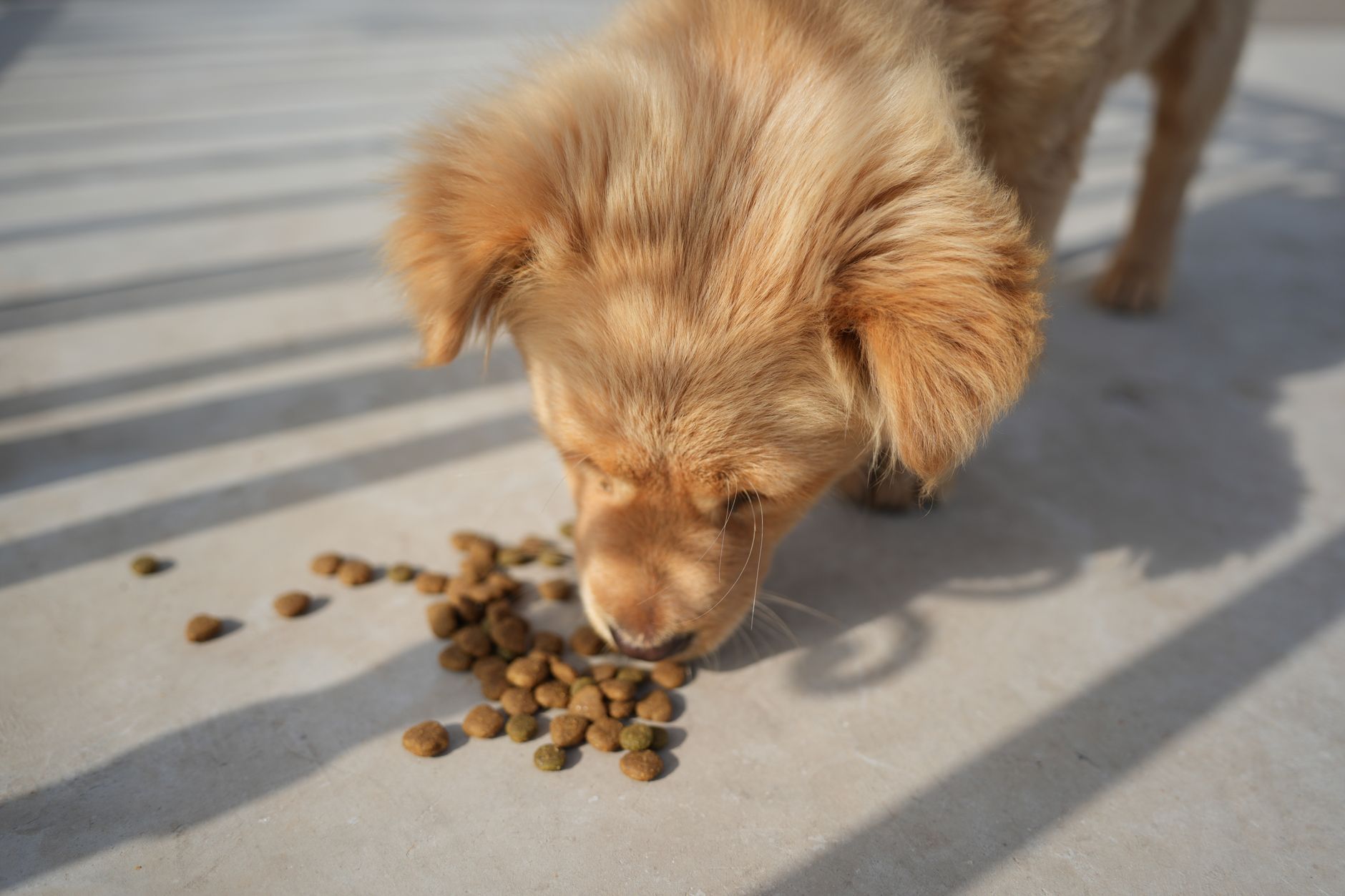
Can Dogs Get Bored of Their Food? A Deep Dive
Yes, dogs can absolutely get bored of their food. While not always a matter of taste, it’s often about a lack of variety and enrichment in their feeding routine, impacting their overall enjoyment of mealtime.
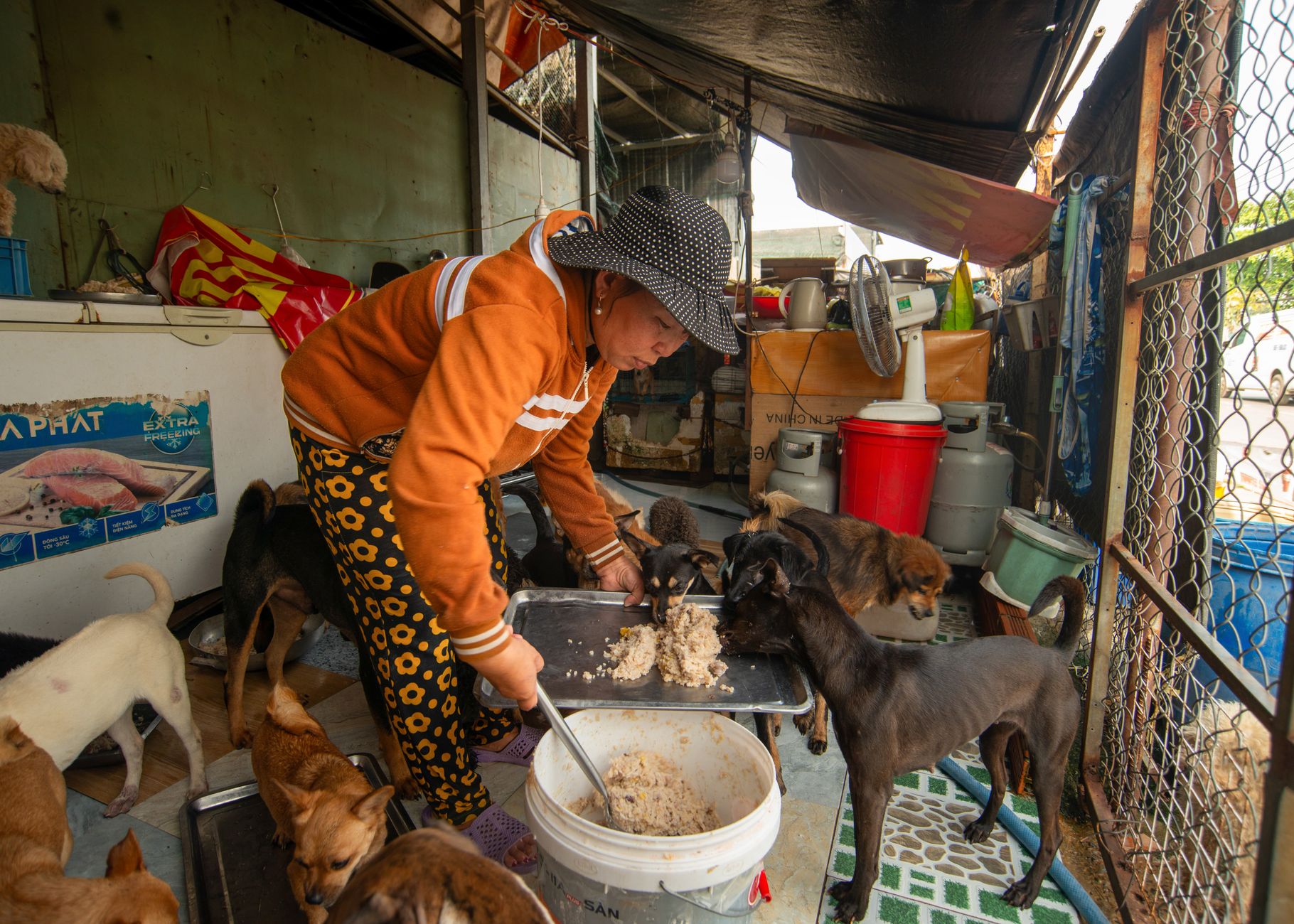
The Canine Culinary Conundrum: Understanding Canine Palates
Humans aren’t the only ones who crave variety in their diet. While dogs may not have the same complex appreciation for haute cuisine, their sensory experiences surrounding food are far more nuanced than many believe. To understand if can dogs get bored of their food?, we need to consider several key factors: their sense of smell, the palatability of their diet, and the psychological component of mealtime.

Is distilled water good for goldfish?
What colours are fish most attracted to?
Can you put your finger in a trout's mouth?
Is methylene blue anti bacterial?
Olfactory Overload: The Power of Smell
A dog’s sense of smell is significantly more powerful than ours. They use it to evaluate everything, including their food. If a particular food consistently presents the same aroma, it can become less stimulating over time.
- The sheer number of olfactory receptors in a dog’s nose far exceeds that of humans.
- Smell plays a crucial role in triggering appetite and stimulating the digestive system.
- A monotonous olfactory experience can lead to a decrease in enthusiasm for mealtimes.
Palatability Preferences: More Than Just Taste
While dogs do have taste buds, their sense of taste is less developed than ours. Palatability, therefore, is determined by a combination of factors, including texture, aroma, and the fat and protein content of the food.
- Dogs are generally attracted to foods higher in protein and fat.
- The texture of the food can also influence their preferences. Some dogs prefer kibble, while others prefer wet food.
- Variety in texture and ingredients can keep things interesting and prevent boredom.
The Psychological Component: Routine vs. Enrichment
A predictable routine can be comforting for dogs, but monotony in mealtime can lead to boredom. Feeding is not just about fulfilling nutritional needs; it should also be an enjoyable experience.
- Feeding from a bowl every day can become monotonous.
- Using food puzzles, slow feeders, or scattering food can provide mental stimulation and make mealtimes more engaging.
- Positive reinforcement and association with mealtime are crucial for maintaining a dog’s interest in their food.
Nutritional Considerations: Avoiding Deficiencies
When addressing the question, “Can dogs get bored of their food?“, it’s essential to prioritize their nutritional needs. Switching foods frequently without careful consideration can lead to dietary imbalances.
- Ensure any changes to your dog’s diet are gradual to prevent digestive upset.
- Consult with a veterinarian or veterinary nutritionist to ensure any new food is nutritionally complete and balanced.
- Avoid feeding exclusively treats or table scraps, as these are often lacking in essential nutrients.
Practical Solutions: Keeping Mealtime Engaging
There are several simple ways to keep your dog engaged and interested in their food without compromising their health.
- Rotating Food: Gradually introduce different flavors or protein sources from the same high-quality brand to add variety without causing digestive upset.
- Food Toppers: Adding a small amount of a healthy food topper, such as plain yogurt, canned pumpkin (not pie filling!), or cooked chicken breast, can enhance the flavor and aroma of their meal.
- Food Puzzles and Slow Feeders: These devices challenge your dog mentally and slow down their eating, making mealtime more engaging.
- Training with Food: Use portions of your dog’s daily food allowance as rewards during training sessions. This creates a positive association with their food and provides mental stimulation.
Common Mistakes: What NOT to Do
Addressing “Can dogs get bored of their food?” requires avoiding common pitfalls that can actually worsen the problem.
- Constantly Switching Foods: Frequent and abrupt changes can lead to digestive issues and picky eating habits.
- Giving In to Pickiness: If your dog refuses to eat their food, avoid immediately offering them something “better.” This reinforces their picky behavior.
- Overfeeding Treats: Excessive treats can reduce your dog’s appetite for their regular food.
- Adding Unhealthy Toppers: Avoid adding foods high in sugar, salt, or unhealthy fats, as these can be detrimental to your dog’s health.
Troubleshooting: When to Consult a Veterinarian
While boredom can be a factor, it’s crucial to rule out any underlying medical conditions if your dog suddenly loses interest in their food.
- Rule out underlying health problems: A sudden change in appetite can signal a health problem, such as dental issues, gastrointestinal upset, or other medical conditions. Consult your vet if the decreased appetite persists for longer than 24 hours.
- Monitor for other symptoms: Lethargy, vomiting, diarrhea, or weight loss are all signs that warrant veterinary attention.
- Consider age-related changes: As dogs age, their appetite and dietary needs may change.
Frequently Asked Questions (FAQs)
Is it possible my dog is truly bored of the same flavor of kibble every day?
Yes, it’s entirely possible. While the nutritional content is important, the sensory experience of eating the same flavor of kibble every day can become monotonous. Rotating within a line of food with similar ingredients can help prevent this.
What are some signs that my dog is bored with their food?
Signs of boredom can include hesitation to eat, leaving food in the bowl, decreased enthusiasm at mealtime, and begging for table scraps more frequently.
Can I add human food to my dog’s kibble to make it more appealing?
Yes, but with caution. Ensure the human food is safe for dogs and that it only makes up a small portion of their diet. Avoid foods high in fat, sugar, or salt, and always check for ingredients that are toxic to dogs, like chocolate or grapes. Consider small amounts of lean protein or plain vegetables.
Will constantly switching dog food lead to a picky eater?
Potentially, yes. Constantly switching food can create a cycle of pickiness where the dog holds out for something “better.” Stick to a consistent diet and only make changes gradually and when necessary.
Are there specific dog breeds that are more prone to food boredom?
While there’s no definitive research on breed-specific food boredom, breeds known for their intelligence and activity levels, such as Border Collies and Australian Shepherds, may require more mental stimulation at mealtime to prevent boredom.
What is a food puzzle, and how can it help prevent food boredom?
A food puzzle is a toy or device that requires a dog to solve a problem to access their food. This provides mental stimulation, slows down eating, and makes mealtime more engaging, preventing boredom.
How often should I change my dog’s food?
Unless there’s a medical reason, avoid frequent food changes. Gradual rotation within the same brand or family of foods every few months is usually sufficient to add variety without causing digestive upset.
Is wet food more enticing to dogs than dry kibble?
Generally, yes. Wet food tends to be more aromatic and palatable due to its higher moisture content. However, it’s also more expensive and can contribute to dental issues if not properly managed.
Can treats contribute to food boredom with regular meals?
Yes, excessive treats can reduce a dog’s appetite for their regular food. Treats should only make up a small portion of their daily caloric intake and should not be given constantly.
What should I do if my dog refuses to eat their food for more than a day?
If your dog refuses to eat for more than 24 hours, consult your veterinarian to rule out any underlying medical conditions.
What ingredients should I look for in a high-quality dog food?
Look for a food that lists a named animal protein source (e.g., chicken, beef, lamb) as the first ingredient, followed by whole grains, vegetables, and fruits. Avoid foods with excessive fillers or artificial additives.
My dog has allergies. How can I add variety to their diet without triggering a reaction?
Work with your veterinarian or a veterinary nutritionist to identify safe and novel protein sources that your dog is not allergic to. Introduce these gradually and monitor for any signs of a reaction. Be exceptionally careful in reading labels and ensure cross-contamination is avoided.