

Can Coyotes Take Down a Deer? Understanding Predator-Prey Dynamics
The answer is a complex yes: while healthy, adult deer are challenging prey, coyotes can and do take down deer, particularly fawns, sick, injured, or elderly individuals, especially when hunting in packs.

Introduction: The Coyote-Deer Relationship
The relationship between coyotes (Canis latrans) and deer (Odocoileus virginianus for white-tailed deer, a common species in North America) is a fascinating example of predator-prey dynamics. While often seen as opportunistic scavengers, coyotes are capable hunters, and deer, particularly vulnerable individuals, can become a target. Understanding the factors that influence this relationship provides valuable insights into ecosystem health and wildlife management. Whether coyotes can take down a deer depends significantly on context.

Is distilled water good for goldfish?
What colours are fish most attracted to?
Can you put your finger in a trout's mouth?
Is methylene blue anti bacterial?
Factors Influencing Predation: Deer Vulnerability
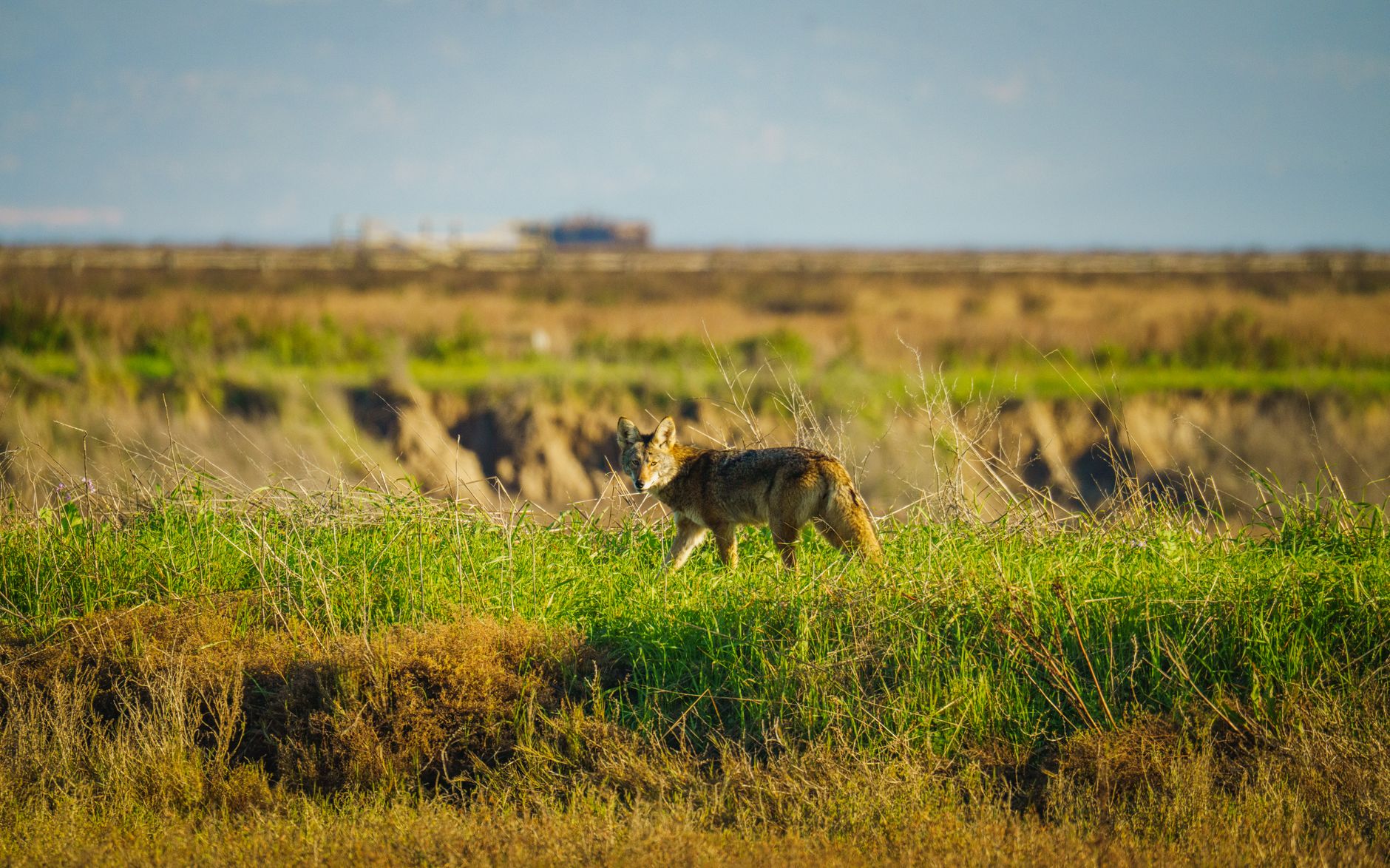
Several factors determine whether a coyote (or a pack of coyotes) can successfully prey on a deer:
- Age and Health of the Deer: Fawns, elderly deer, and those suffering from illness or injury are significantly more vulnerable.
- Environmental Conditions: Deep snow, ice, or flooding can hinder a deer’s escape and make it easier for coyotes to hunt.
- Coyote Pack Size and Hunting Strategy: While a single coyote may struggle to bring down a healthy adult deer, a well-coordinated pack is a much more formidable threat.
Coyote Hunting Strategies
Coyotes employ various hunting strategies, often adapting to the specific situation:
- Relentless Pursuit: Coyotes may chase a deer over long distances, tiring it out.
- Ambush: Coyotes may lie in wait near deer trails or bedding areas, ambushing unsuspecting prey.
- Pack Hunting Coordination: Packs often use coordinated strategies, with some coyotes driving the deer toward others waiting in ambush.
Geographic Variations in Diet
The prevalence of deer in a coyote’s diet varies geographically. In areas with abundant deer populations, deer may constitute a more significant portion of their diet. Conversely, in areas with fewer deer or abundant alternative prey, deer may be less frequently targeted. The question of can coyotes take down a deer is partially answered by the deer density within an ecosystem.
The Role of Other Predators
The presence of other predators, such as wolves or mountain lions, can influence the coyote-deer relationship. Competition between predators can lead to coyotes focusing on smaller prey or scavenging kills made by larger predators.
Impact on Deer Populations
While coyote predation can contribute to deer mortality, it is rarely the sole factor driving deer population declines. Other factors, such as habitat loss, hunting pressure, and disease, often play more significant roles. In some cases, coyote predation can help to regulate deer populations, preventing overgrazing and promoting ecosystem health.
Deer Defense Mechanisms
Deer have several defense mechanisms against predators:
- Speed and Agility: Healthy adult deer are capable of running at high speeds and making sharp turns, making them difficult to catch.
- Alertness: Deer are highly vigilant and constantly scan their surroundings for potential threats.
- Group Defense: Deer may form groups or herds, providing increased vigilance and collective defense against predators.
- Antler Use: Bucks use their antlers as weapons to defend themselves against predators.
Table: Deer Vulnerability Factors
| Factor | Description | Impact on Vulnerability |
|---|---|---|
| Age | Fawns and elderly deer are less physically capable. | Increased |
| Health | Sick or injured deer are weakened and less able to evade predators. | Increased |
| Environmental Conditions | Deep snow, ice, or flooding can hinder a deer’s movement. | Increased |
| Predator Pack Size | Larger coyote packs have a greater ability to bring down deer. | Increased |
| Habitat | Lack of cover allows easier pursuit by coyotes. | Increased |
| Pregnancy | Pregnant does, especially in late gestation, may be slower and less agile. | Increased |
| Predator Experience | Coyotes who have learned to hunt deer successfully are more likely to prey on them. | Increased |
Bullet Points: Factors Mitigating Deer Predation by Coyotes
- Healthy, adult deer are formidable prey.
- Dense forest cover provides refuge.
- Human presence can deter coyotes.
- Effective wildlife management strategies can help balance predator-prey populations.
Frequently Asked Questions (FAQs)
Can a single coyote kill a healthy adult deer?
While possible, it’s unlikely. A single coyote would struggle significantly against a healthy adult deer. The deer’s size, speed, and antlers provide a formidable defense. However, a desperate coyote or one in exceptional circumstances (such as trapping a deer in deep snow) might succeed. The question of can coyotes take down a deer is most often answered with group hunting.
What time of year are deer most vulnerable to coyote predation?
Deer are most vulnerable during the spring (fawning season) and winter. Fawns are inexperienced and physically weaker, while winter conditions can weaken deer, making them easier targets.
Do coyotes prefer deer over other prey?
No, coyotes are opportunistic feeders. They will prey on whatever is most readily available and easiest to catch. This includes rodents, rabbits, birds, insects, and carrion, in addition to deer.
How do coyote hunting strategies differ when hunting deer versus smaller prey?
When hunting deer, coyotes are more likely to employ coordinated pack hunting strategies. They use tactics such as chasing, ambushing, and driving deer towards other pack members. When hunting smaller prey, coyotes often hunt individually and rely on stealth and surprise.
What is the role of human activity in the coyote-deer relationship?
Human activity can have a significant impact. Habitat fragmentation, urbanization, and supplemental feeding of deer can alter deer distribution and behavior, potentially making them more vulnerable to predation. Hunting regulations can also influence deer population sizes, which in turn affects coyote prey availability.
How can I protect deer from coyote predation on my property?
You can make your property less attractive to coyotes by removing potential food sources, such as pet food and garbage. Fencing can also deter coyotes, and protecting natural vegetation will provide deer with cover.
Are there any specific deer breeds that are more susceptible to coyote predation?
While breed-specific data is limited, smaller deer breeds or those with compromised health due to genetics are likely more vulnerable. However, the key factor is the overall health and physical condition of the individual deer, rather than its specific breed.
What role do deer play in the coyote diet?
The role of deer in a coyote’s diet can vary depending on the geographic location and prey availability. In some regions, deer constitute a significant portion of the coyote’s diet, especially during certain times of the year. In other regions, deer may be a less important food source.
Is there evidence that coyote populations are increasing due to an increase in deer populations?
It’s a complex relationship. While an increase in deer populations can certainly support a larger coyote population, other factors also play a role, such as habitat availability, human development, and management strategies. A plentiful food source, such as deer, contributes to coyote population growth.
Do coyotes only prey on weakened or unhealthy deer?
While coyotes often target weakened or unhealthy deer, they are also capable of taking down healthy deer, especially when hunting in packs.
What are the signs that coyotes are preying on deer in my area?
Signs include finding deer carcasses with evidence of coyote predation (bite marks, scattered bones), increased coyote activity near deer habitat, and reduced deer sightings. Increased howling at night could also be an indicator.
Are there any conservation efforts to manage coyote-deer populations?
Yes. Wildlife agencies employ various strategies, including regulated hunting and trapping of coyotes, habitat management to provide cover for deer, and public education programs to promote responsible human-wildlife interactions. The goal is to maintain healthy and balanced ecosystems.