
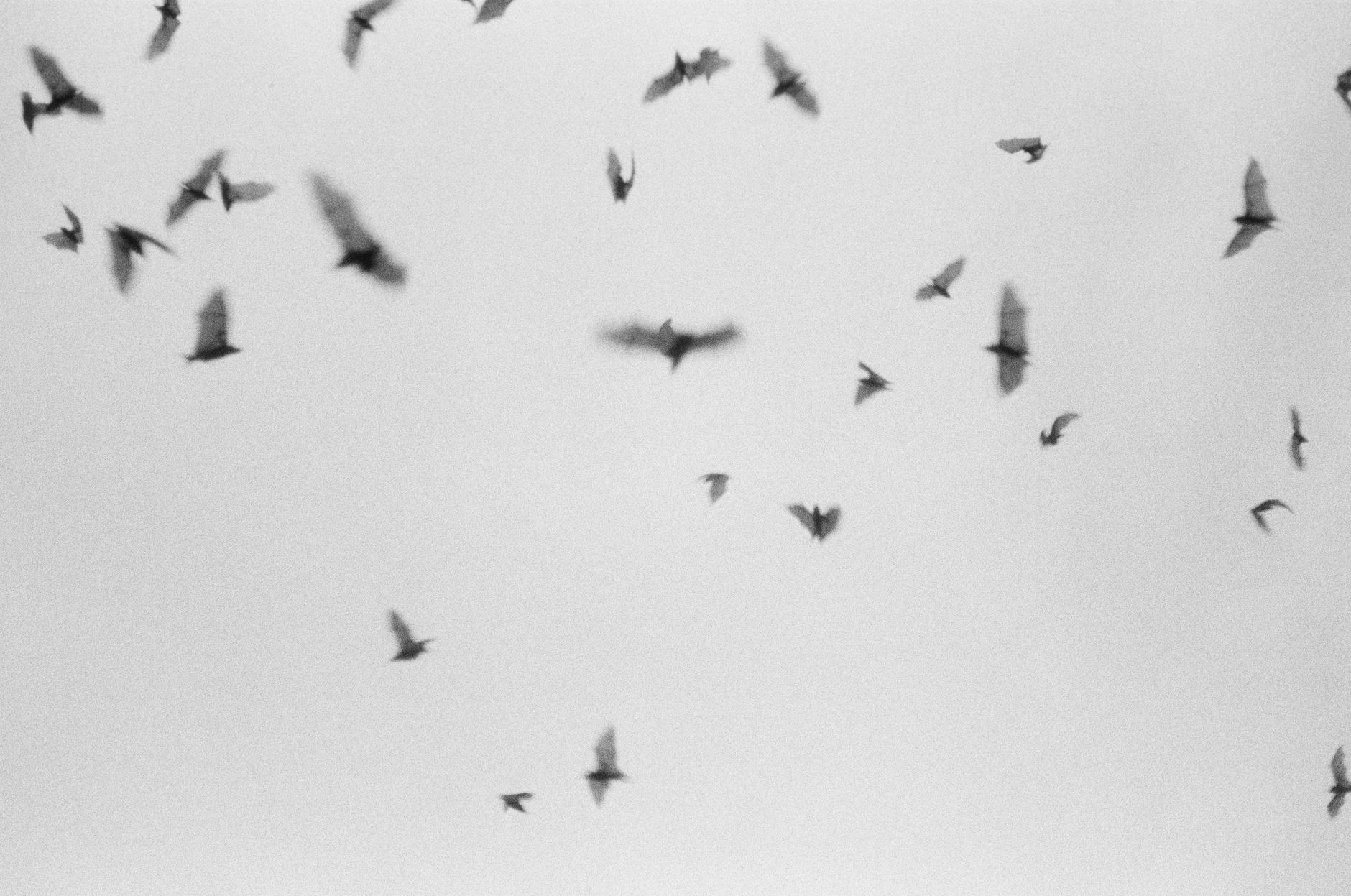
Can Bats Collide With Humans? Understanding the Risk
Yes, although encounters are rare, batscan collide with humans under certain circumstances, but these incidents are typically accidental and do not represent intentional attacks.

Understanding the Flight and Behavior of Bats
Bats, often misunderstood creatures of the night, play a vital role in our ecosystem, from insect control to pollination. Understanding their flight patterns and behavior is crucial to answering the question: Can bats collide with humans?

What colours are fish most attracted to?
Can you put your finger in a trout's mouth?
Is methylene blue anti bacterial?
Does aquarium salt raise pH in aquarium?
The Remarkable Echolocation Abilities of Bats

Bats are masters of the night sky, navigating and hunting using echolocation. This sophisticated sonar system allows them to emit high-frequency sounds and interpret the returning echoes to create a detailed “sound map” of their surroundings. While incredibly effective, echolocation isn’t foolproof. In certain situations, it can be compromised, potentially leading to unintentional collisions. Factors like:
- Cluttered environments (dense foliage or structures)
- Weak or malfunctioning echolocation (due to illness or injury)
- Unusual sound-absorbing materials
can all hinder a bat’s ability to accurately perceive its environment.
Circumstances Leading to Human-Bat Encounters
While bats generally avoid humans, collisions, though infrequent, can occur. These incidents are almost always accidental and happen in specific circumstances. Here’s a look:
- Enclosed Spaces: Bats might become disoriented in indoor spaces like homes or buildings, especially if they have entered through an open window or chimney. Their echolocation can be affected by the hard surfaces and confined areas, leading to erratic flight and potential contact with occupants.
- Natural Habitats: Encounters can occur in their natural habitats, such as caves or forests. This is more likely during twilight hours when they are most active.
- Unintentional Encounters: Sometimes a bat, startled by a sudden movement or loud noise, might inadvertently fly towards a person.
- Young Bats: Juvenile bats, still learning to navigate, are more prone to errors in flight.
The Importance of Bat Conservation
Despite the rare possibility of collisions, it’s crucial to remember the immense ecological value of bats. They are:
- Insectivores: Bats consume vast quantities of insects, including many agricultural pests.
- Pollinators: Some bat species are vital pollinators for various plants, including agave (used to make tequila).
- Seed Dispersers: Other bat species play a role in seed dispersal, helping to maintain forest health.
Conservation efforts are essential to protect bat populations from threats like habitat loss, disease, and climate change.
Risks and Mitigation Strategies
While direct attacks are extremely rare, bites from bats can pose a risk of rabies. Therefore, understanding the risks and taking appropriate precautions is essential.
- Avoid direct contact with bats.
- If bitten or scratched, seek immediate medical attention.
- Ensure pets are vaccinated against rabies.
- Seal any openings in your home that might allow bats to enter.
- Consider bat-friendly exclusion methods to safely remove bats from your property.
- Educate yourself and others about bat behavior and conservation.
Comparing Bat Encounters with Other Wildlife Interactions
To put the risk of bat collisions into perspective, it’s helpful to compare them with interactions with other wild animals.
| Animal | Risk of Collision/Encounter | Risk of Disease Transmission | Overall Risk Assessment |
|---|---|---|---|
| Deer | High (Vehicle collisions) | Low | Moderate |
| Bears | Moderate (Attacks are rare) | Low | Moderate |
| Bats | Low (Accidental encounters) | Moderate (Rabies) | Low to Moderate |
| Mosquitoes | High (Ubiquitous) | High (West Nile, Zika) | High |
This comparison shows that while bats carry a risk of disease, the likelihood of a direct encounter resulting in a collision is relatively low compared to other animals.
Frequently Asked Questions (FAQs)
Can bats transmit rabies without biting?
While extremely rare, rabies transmission can theoretically occur if saliva from an infected bat comes into contact with a mucous membrane (eyes, nose, mouth) or an open wound. However, this is not the typical route of transmission.
What should I do if a bat is flying around inside my house?
Stay calm, open any windows and doors leading outside, turn off the lights, and allow the bat to find its way out. Avoid trying to catch or harm the bat. If it doesn’t leave on its own, contact animal control or a wildlife removal specialist.
Are all bats rabid?
No, the vast majority of bats are not rabid. However, any bat bite should be considered a potential rabies exposure and requires immediate medical attention. Only a small percentage of bats carry the rabies virus, but it is impossible to determine if a bat is infected simply by looking at it.
What are the symptoms of rabies in humans?
Early symptoms of rabies can include fever, headache, weakness, and itching or discomfort at the site of the bite. As the disease progresses, neurological symptoms such as confusion, anxiety, hallucinations, difficulty swallowing, and paralysis may develop. Rabies is almost always fatal if left untreated.
How can I bat-proof my house?
Inspect your home’s exterior for any gaps or cracks larger than 1/4 inch. Seal these openings with caulk, steel wool, or other appropriate materials. Pay close attention to areas where pipes and wires enter the house, as well as around chimneys and vents.
What is bat guano, and is it dangerous?
Bat guano is bat feces. It can accumulate in attics and other enclosed spaces. While not inherently dangerous in small quantities, accumulated guano can harbor Histoplasma capsulatum, a fungus that can cause histoplasmosis, a respiratory infection. Wear protective gear (mask, gloves) when cleaning up guano.
Are there any benefits to having bats around?
Yes! Bats are incredibly beneficial. Insectivorous bats consume vast quantities of insects, helping to control pest populations and reducing the need for pesticides. Some species also pollinate plants and disperse seeds.
Is it safe to have a bat house in my yard?
Yes, bat houses are a safe and effective way to attract bats to your property. They provide bats with a roosting location, encouraging them to stay in the area and control insect populations. Place the bat house in a sunny location away from predators.
What is White-Nose Syndrome, and how is it affecting bats?
White-Nose Syndrome (WNS) is a fungal disease that has decimated bat populations in North America. It causes bats to awaken frequently during hibernation, depleting their energy reserves and leading to starvation.
Can I handle a baby bat if I find one?
No. Even if the bat appears injured or orphaned, do not handle it. Contact a wildlife rehabilitator who is trained to care for bats. Handling a bat, even a baby, poses a risk of rabies exposure.
What is the best way to remove bats from my attic?
The best way to remove bats is through exclusion. This involves sealing all entry points into the attic and installing a one-way valve or netting that allows bats to exit but prevents them from re-entering. This should be done in the late summer or early fall, after the young bats have left the roost, to avoid trapping them inside.
What should I do if my pet kills a bat?
If your pet kills a bat, wear gloves to handle the bat and immediately contact your veterinarian. They will likely recommend a rabies booster shot for your pet. Submit the bat for rabies testing, as recommended by local health authorities.
These FAQs highlight the complexities of bat behavior, the importance of conservation, and the steps individuals can take to minimize any potential risks. Although can bats collide with humans, the information presented here shows that the risk is relatively low when proper precautions are taken. By understanding and respecting these fascinating creatures, we can coexist safely and appreciate their vital role in our environment.