

Can Bad Deer Meat Make You Sick? Exploring the Risks
Yes, bad deer meat can indeed make you sick. Consuming spoiled or improperly handled deer meat can lead to various foodborne illnesses, highlighting the importance of proper harvesting, processing, and cooking techniques.
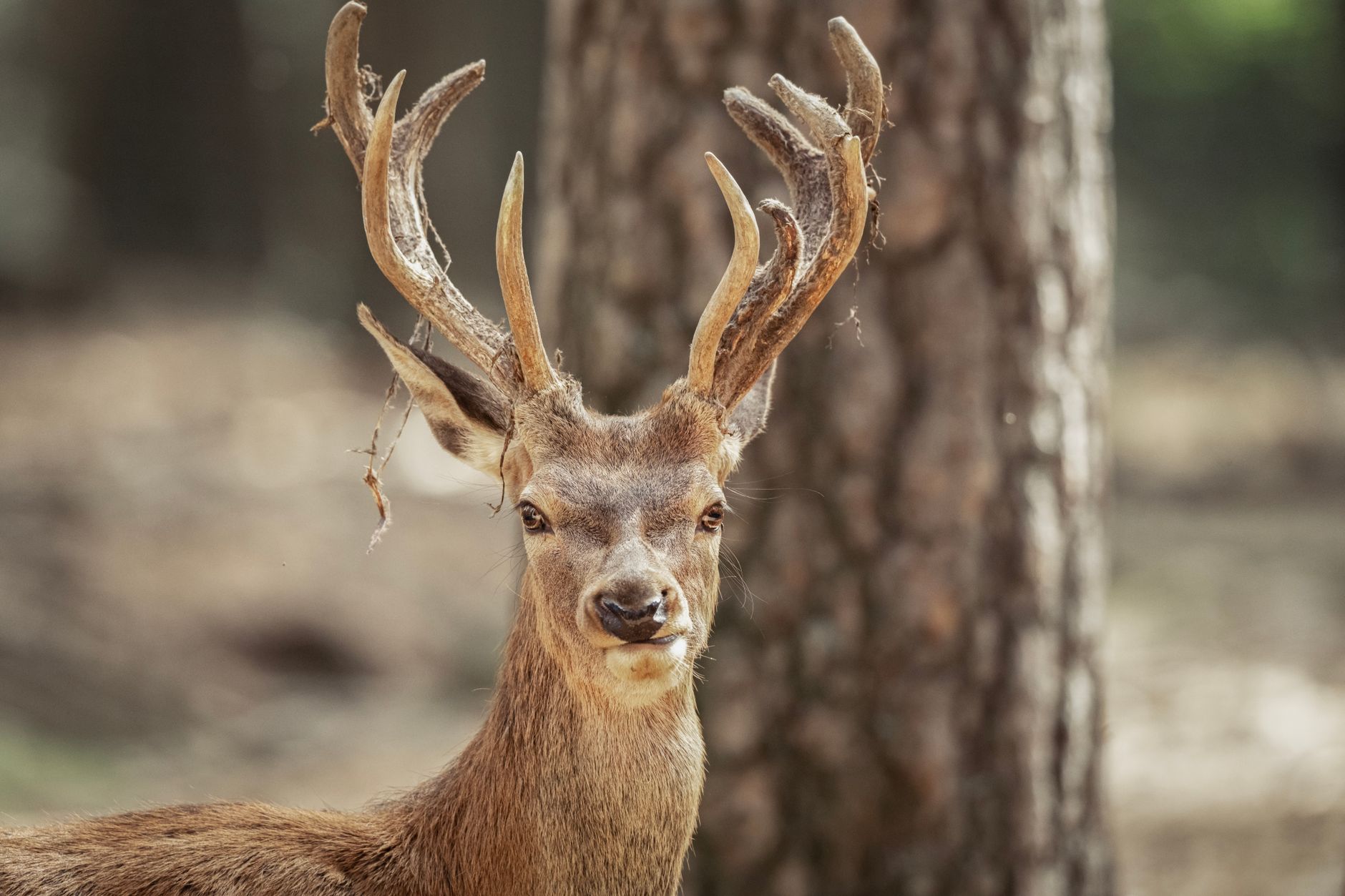
The Allure of Venison: A Hunter’s Bounty
Venison, the meat from deer, has been a staple food source for humans for millennia. Today, it remains a popular choice for those seeking lean protein and a connection to the natural world. Hunting deer offers an opportunity for outdoor recreation, sustainable food procurement, and population management. The distinctive flavor profile of venison, often described as richer and gamier than beef, adds to its appeal. However, this connection to nature also brings potential risks that must be carefully managed to ensure food safety. Understanding the risks associated with consuming venison, especially improperly handled venison, is crucial for preventing illness.

What colours are fish most attracted to?
Can you put your finger in a trout's mouth?
Is methylene blue anti bacterial?
Does aquarium salt raise pH in aquarium?
The Potential Dangers: Bacteria, Parasites, and Contaminants

Can bad deer meat make you sick? The answer, unfortunately, is a resounding yes. Several factors contribute to the potential for venison to cause illness:
-
Bacterial Contamination: E. coli, Salmonella, and Staphylococcus aureus are common culprits. These bacteria can contaminate the meat during harvesting, processing, or storage, leading to food poisoning.
-
Parasitic Infections: Deer can carry parasites such as Trichinella spiralis, which causes trichinosis. Although less common than bacterial infections, parasitic infections can be serious. Thorough cooking is essential to kill these parasites.
-
Chronic Wasting Disease (CWD): This fatal neurological disease affects deer, elk, and moose. While there’s no direct evidence of CWD transmission to humans, health organizations recommend avoiding consumption of meat from animals known to be infected. Prions, the infectious agents behind CWD, are extremely difficult to destroy through normal cooking methods.
-
Environmental Contaminants: Deer can accumulate contaminants like lead from bullets or pesticides from their environment. The risk depends on the deer’s habitat and hunting practices. Using lead-free ammunition helps minimize this risk.
From Field to Fork: Best Practices for Safe Venison Handling
Proper handling of deer meat is paramount in preventing foodborne illnesses. This starts in the field immediately after harvesting the animal.
-
Field Dressing:
- Wear gloves to avoid direct contact with blood and organs.
- Use clean knives and tools.
- Remove the entrails promptly to prevent bacterial contamination.
- Cool the carcass quickly, ideally to below 40°F (4°C), to inhibit bacterial growth. This may involve using ice or hanging the carcass in a cool environment.
-
Processing:
- Maintain a clean and sanitized processing area.
- Grind meat separately from other game.
- Keep the meat cold throughout the process.
- Wrap and freeze the meat promptly.
-
Storage:
- Freeze venison at 0°F (-18°C) or lower.
- Properly wrapped venison can last for up to a year in the freezer.
- Thaw venison in the refrigerator, not at room temperature.
-
Cooking:
- Cook venison to an internal temperature of at least 160°F (71°C) to kill bacteria and parasites. Using a meat thermometer is recommended.
- Ground venison should be cooked to 165°F (74°C).
Recognizing Spoiled Venison: Signs to Watch For
Even with careful handling, venison can sometimes spoil. Knowing how to identify spoiled venison is crucial to preventing illness.
-
Smell: A sour or ammonia-like odor is a strong indicator of spoilage.
-
Appearance: Discoloration, such as a greenish or grayish tint, can indicate bacterial growth.
-
Texture: Slimy or sticky texture suggests spoilage.
-
Packaging: Bulging or leaking packaging can indicate bacterial activity.
If you observe any of these signs, discard the venison immediately. Never taste meat that you suspect is spoiled.
Mitigation Strategies to Consider
- Hunting Regulations: Be familiar with and adhere to local hunting regulations. These regulations often include guidelines for handling deer carcasses and preventing the spread of disease.
- Testing for CWD: In areas where CWD is prevalent, consider having your deer tested before consumption. This information can help you make informed decisions about whether to consume the meat.
- Proper Gear: Ensure you have all the necessary equipment for field dressing, processing, and storing venison safely. This includes sharp knives, gloves, coolers, and appropriate packaging materials.
- Education: Continuously update your knowledge about best practices for venison handling and food safety. Resources are available from wildlife agencies, universities, and hunting organizations.
Comparing Venison Safety to Other Meats
| Feature | Venison | Beef | Poultry |
|---|---|---|---|
| Primary Risks | Bacteria, parasites, CWD, contaminants | Bacteria | Bacteria, Salmonella |
| Handling | Critical due to field dressing requirements | Important, but processing is usually controlled | Important, but processing is usually controlled |
| Cooking | Thorough cooking required | Varies with cut | Thorough cooking required |
| Wild vs. Farmed | Primarily wild | Primarily farmed | Primarily farmed |
Frequently Asked Questions (FAQs)
What are the most common symptoms of food poisoning from bad deer meat?
The symptoms of food poisoning from bad deer meat typically include nausea, vomiting, diarrhea, abdominal cramps, and fever. These symptoms can appear within a few hours to several days after consuming contaminated venison. It’s important to stay hydrated and seek medical attention if symptoms are severe or persistent.
How can I tell if my deer meat has Chronic Wasting Disease (CWD)?
CWD can only be definitively diagnosed through laboratory testing of brain or lymph node tissue. Deer with CWD may exhibit symptoms like weight loss, stumbling, drooling, and lack of coordination, but many infected deer show no obvious signs, especially in the early stages. Therefore, it’s crucial to consult with your local wildlife agency to determine if CWD testing is recommended in your area.
What is the ideal temperature for storing venison in the freezer?
The ideal temperature for storing venison in the freezer is 0°F (-18°C) or lower. Maintaining this temperature will help prevent freezer burn and slow down the rate of spoilage, allowing you to safely store venison for up to a year.
Is it safe to eat venison if it has a slight gamey taste?
A slight gamey taste is normal for venison and doesn’t necessarily indicate spoilage. The gamey flavor is due to the deer’s diet and the presence of certain fats and compounds in the meat. However, if the gamey taste is accompanied by an unpleasant odor or other signs of spoilage, the meat should be discarded.
Can freezing venison kill bacteria or parasites?
Freezing can kill some parasites, such as Trichinella, but it does not reliably kill all bacteria. Freezing will slow down bacterial growth, but it won’t eliminate existing bacteria. Thorough cooking to a safe internal temperature is essential to kill any remaining bacteria or parasites.
What is the best way to thaw venison?
The best way to thaw venison is in the refrigerator. Place the frozen venison in a leak-proof container and allow it to thaw slowly in the refrigerator for 24-48 hours, depending on the size of the cut. This method minimizes the risk of bacterial growth. Avoid thawing venison at room temperature or in warm water.
What is the minimum internal temperature I should cook venison to?
The minimum internal temperature you should cook venison to is 160°F (71°C). Ground venison should be cooked to 165°F (74°C). Use a meat thermometer to ensure accurate cooking. These temperatures are necessary to kill harmful bacteria and parasites that may be present in the meat.
Does aging venison improve its flavor and texture?
Aging venison can improve its flavor and texture by allowing natural enzymes to break down muscle fibers. However, aging venison requires careful temperature control and sanitation to prevent spoilage. It’s best left to experienced butchers or processors.
How long can I safely store venison in the refrigerator after thawing?
You can safely store thawed venison in the refrigerator for 3-5 days. Cook or refreeze the venison within this timeframe to prevent bacterial growth. Always check for signs of spoilage before cooking.
What are the risks of using lead bullets for hunting deer?
Lead bullets can fragment upon impact, potentially contaminating the meat with lead particles. Consuming lead-contaminated venison can lead to lead poisoning, which can cause various health problems, especially in children and pregnant women. Using lead-free ammunition, such as copper bullets, can minimize this risk.
Are there any specific groups of people who should avoid eating venison?
Pregnant women, young children, and individuals with compromised immune systems should exercise extra caution when consuming venison. They are more susceptible to the effects of foodborne illnesses and should ensure that the venison is thoroughly cooked and properly handled. Also, individuals concerned about CWD should consider avoiding venison from areas where the disease is prevalent.
What should I do if I suspect I have food poisoning from eating deer meat?
If you suspect you have food poisoning from eating deer meat, stay hydrated and monitor your symptoms. If your symptoms are severe or persistent, seek medical attention. You may also want to report the incident to your local health department to help track potential outbreaks of foodborne illnesses. Remember to keep any leftover meat for testing, if requested by health officials.