

Can Ants Bite Humans? Exploring Ant Bites and Their Implications
Can ants bite humans? Yes, many ant species can bite humans, though the severity and consequences of these bites vary significantly depending on the species.

Introduction to Ant Bites
Ants are ubiquitous insects, playing a crucial role in ecosystems worldwide. While generally beneficial, certain ant species can pose a nuisance or even a threat to humans through their bites. Understanding the capability of ants to bite humans, the reasons behind these bites, and the potential effects is important for avoiding unpleasant encounters and knowing how to respond. This article delves into the specifics of ant bites, exploring the science behind them and providing practical advice.

What colours are fish most attracted to?
Can you put your finger in a trout's mouth?
Is methylene blue anti bacterial?
Does aquarium salt raise pH in aquarium?
Why Do Ants Bite Humans?
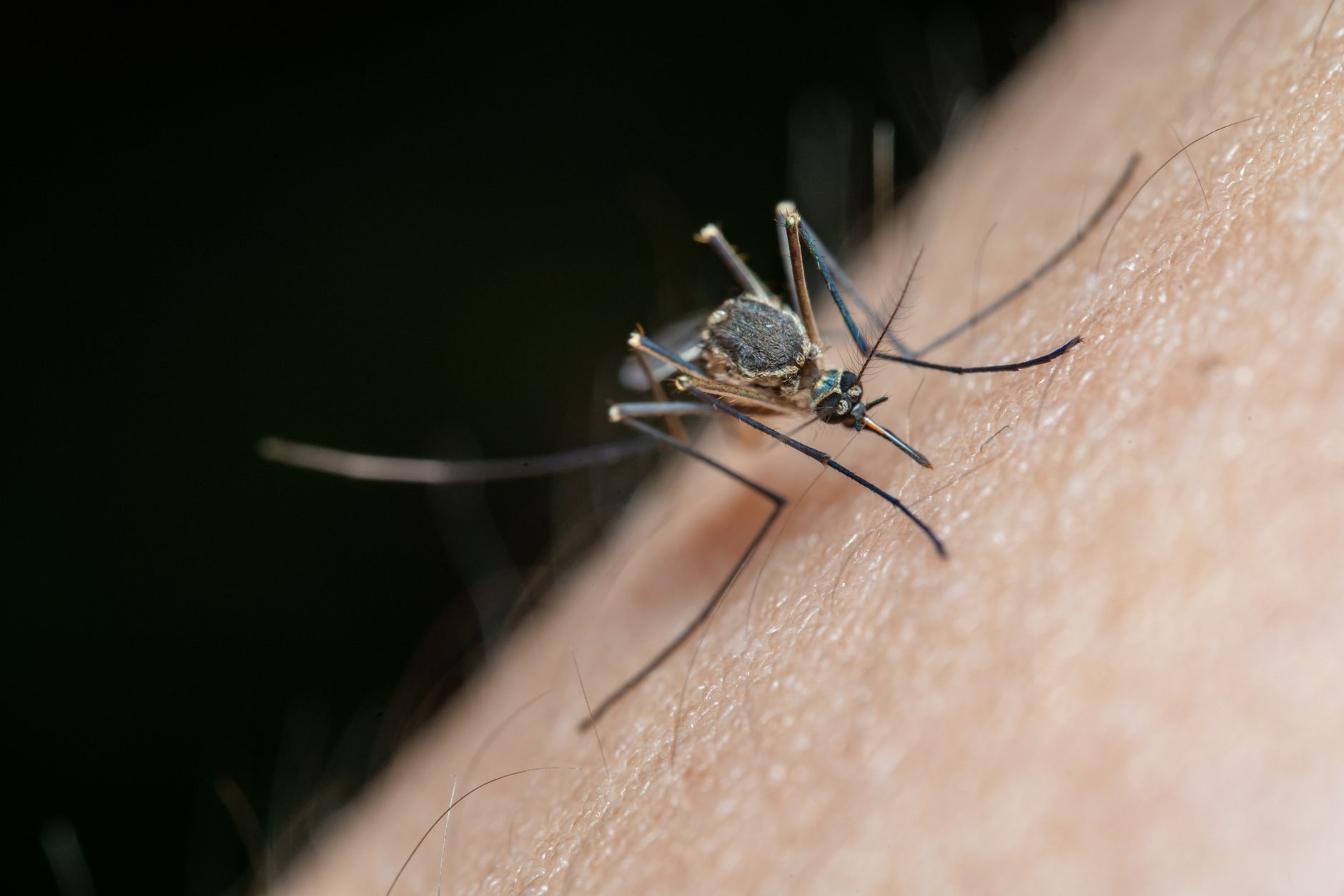
Ant bites are typically defensive mechanisms. Ants bite when they feel threatened, are defending their colony, or are searching for food. Here’s a breakdown:
- Defense: An ant colony is a highly organized and valuable resource. When threatened, ants will aggressively defend their territory, using bites and stings as weapons.
- Foraging: Some ant species are predatory and use their bites to subdue prey. Humans might inadvertently come into contact with these ants while they are foraging.
- Accidental Encounters: Simply stepping on an anthill or disturbing a nest can trigger a defensive response from the colony.
Mechanisms of Ant Bites
Ant bites are not all created equal. The mechanism by which ants bite, and the presence of venom, significantly influences the severity of the bite. Most ants use their mandibles (jaws) to grasp onto skin, and some species inject venom into the wound. This venom can cause pain, swelling, and allergic reactions in susceptible individuals.
- Mandibles: All ants have mandibles, which they use for biting and grasping. The sharpness and strength of these mandibles vary depending on the species.
- Venom: Certain ant species, like fire ants, possess a stinger through which they inject venom. This venom contains alkaloids that cause intense pain and can lead to the formation of pustules.
Common Ant Species That Bite Humans
Many ant species can and sometimes do bite humans. Some are more aggressive than others. Here’s a look at a few common culprits:
- Fire Ants: These are notorious for their painful stings, which feel like a burning sensation. They are aggressive and will attack in swarms.
- Carpenter Ants: While they primarily damage wood, Carpenter ants can bite if threatened. Their bites can be painful due to their strong mandibles.
- Harvester Ants: These ants are known for their potent venom. Their bites are very painful and can cause localized swelling and redness.
Identifying Ant Bites
Identifying ant bites is usually straightforward. Key characteristics include:
- Puncture Marks: The bite site will often have small puncture marks from the ant’s mandibles.
- Redness and Swelling: The area around the bite will likely be red and swollen.
- Itching: Ant bites can be intensely itchy.
- Pustules (Fire Ant Bites): Fire ant bites are often followed by the formation of pustules, which are small, fluid-filled blisters.
Treating Ant Bites
Most ant bites are minor and can be treated at home. The following steps can help alleviate discomfort:
- Wash the Area: Gently wash the bite site with soap and water.
- Apply a Cold Compress: Applying a cold compress can help reduce swelling and pain.
- Use Antihistamines: Over-the-counter antihistamines can help relieve itching.
- Topical Corticosteroid Cream: A topical corticosteroid cream can reduce inflammation.
In rare cases, ant bites can cause severe allergic reactions, such as anaphylaxis. If you experience any of the following symptoms, seek immediate medical attention:
- Difficulty breathing
- Swelling of the face, lips, or tongue
- Hives
- Dizziness
Preventing Ant Bites
Prevention is the best defense against ant bites. Consider these measures:
- Avoid Ant Hills: Be mindful of your surroundings and avoid stepping on or disturbing ant hills.
- Wear Protective Clothing: When working outdoors in areas where ants are common, wear long sleeves, pants, and closed-toe shoes.
- Use Insect Repellent: Insect repellent containing DEET can help deter ants.
- Keep Food Covered: Ants are attracted to food. Keep food covered and clean up any spills promptly.
Conclusion
Can ants bite humans? Absolutely. While most ant bites are relatively harmless, certain species can inflict painful bites or stings. Understanding the reasons behind ant bites, knowing how to identify them, and practicing preventive measures can help you avoid unpleasant encounters. In cases of severe reactions, seeking immediate medical attention is crucial. Knowledge is power, and being informed about ants and their biting behaviors is the best way to stay safe and comfortable in their presence.
Frequently Asked Questions (FAQs)
Are all ant bites dangerous?
No, not all ant bites are dangerous. Most ant bites cause only minor discomfort, such as itching and swelling. However, some species, like fire ants and harvester ants, have venom that can cause more severe reactions. In rare cases, ant bites can trigger allergic reactions, such as anaphylaxis, which can be life-threatening.
What should I do if I am bitten by an ant?
If you are bitten by an ant, wash the area with soap and water. Apply a cold compress to reduce swelling and pain. Over-the-counter antihistamines can help relieve itching. If you develop signs of an allergic reaction, such as difficulty breathing or swelling of the face, seek immediate medical attention.
How can I tell if an ant bite is infected?
Signs of an infected ant bite include increased redness, swelling, pain, pus, and fever. If you suspect an infection, consult a doctor for treatment.
Do all ants sting?
No, not all ants sting. Some ants, like fire ants, possess a stinger through which they inject venom. Other ants bite with their mandibles but do not have a stinger.
Can ants transmit diseases through their bites?
While ants can carry bacteria, they are not known to transmit diseases through their bites in the same way that mosquitoes or ticks do. The primary concern with ant bites is the venom injected by some species and the potential for allergic reactions.
Are children more susceptible to ant bites?
Children are often more susceptible to ant bites because they may be more likely to disturb ant nests while playing outdoors. They may also have a lower tolerance for pain and itching.
How can I get rid of ants in my home?
To get rid of ants in your home, identify the ant species to determine the best course of action. Remove food sources and standing water. Use ant baits or sprays to kill the ants. Seal any cracks or openings in your home’s foundation to prevent ants from entering.
What is the difference between an ant bite and a mosquito bite?
Ant bites often cause puncture marks, redness, and swelling, and may be followed by the formation of pustules (fire ant bites). Mosquito bites typically cause a raised, itchy bump that may be red or pink.
Are there any natural remedies for ant bites?
Some natural remedies for ant bites include applying a paste of baking soda and water, using aloe vera gel, or applying honey to the bite site. These remedies can help relieve itching and inflammation.
How long does it take for an ant bite to heal?
Most ant bites will heal within a few days to a week. Fire ant bites, which often form pustules, may take longer to heal. Keeping the bite clean and avoiding scratching can help speed up the healing process.
Is it possible to be allergic to ant bites?
Yes, it is possible to be allergic to ant bites. Allergic reactions can range from mild symptoms like hives and itching to severe symptoms like difficulty breathing and anaphylaxis. If you suspect you are allergic to ant bites, consult a doctor or allergist.
Should I see a doctor for an ant bite?
You should see a doctor for an ant bite if you experience signs of an allergic reaction, such as difficulty breathing or swelling of the face. Also, seek medical attention if you notice signs of infection, such as increased redness, swelling, pain, pus, or fever.