

Can Moose Dive 20 Feet Underwater? The Truth About Aquatic Moose
Yes, moose can and do dive underwater, sometimes reaching depths of over 20 feet, particularly to forage for aquatic vegetation. This behavior is critical for their nutrition and survival, especially in nutrient-poor environments.
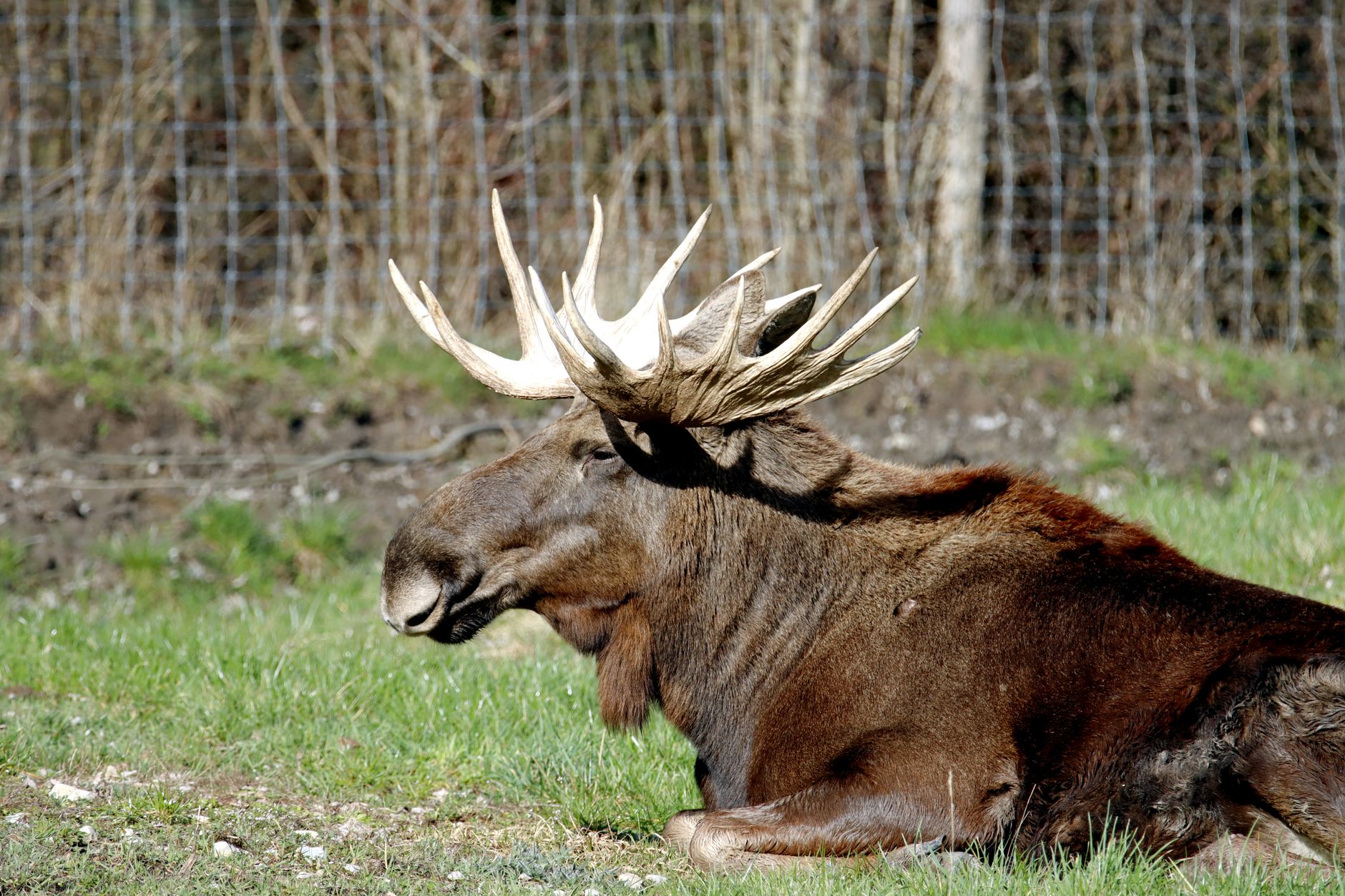
Understanding Moose and Their Aquatic Adaptations
Moose are renowned for their terrestrial prowess, but few realize the extent of their aquatic capabilities. While they’re not fish, their bodies are remarkably adapted for spending time in the water, allowing them to access a vital food source unavailable to other herbivores. Understanding these adaptations is key to grasping can a moose dive 20 feet underwater?

What colours are fish most attracted to?
Can you put your finger in a trout's mouth?
Is methylene blue anti bacterial?
Does aquarium salt raise pH in aquarium?
Why Moose Dive: The Allure of Aquatic Vegetation

The primary reason moose dive is to feed on aquatic plants. These plants are often richer in sodium than terrestrial vegetation, an essential mineral that moose crave, particularly during the warmer months. Sodium is crucial for various bodily functions, including nerve and muscle function.
- Sodium Source: Terrestrial plants often lack sufficient sodium, leading moose to seek it out in aquatic environments.
- Nutrient Richness: Aquatic plants provide a concentrated source of other nutrients as well.
- Seasonal Importance: This diving behavior is most pronounced during summer and early fall when moose are building up their reserves for the winter.
Physical Adaptations for Diving
Several physical adaptations allow moose to effectively dive and forage underwater:
- Large Lung Capacity: Moose possess relatively large lungs, allowing them to hold their breath for extended periods.
- Closing Nostrils: They can close their nostrils to prevent water from entering while submerged.
- Strong Swimming Muscles: Powerful leg muscles enable them to propel themselves underwater.
- Flexible Neck: A long, flexible neck allows them to reach vegetation on the bottom of lakes and ponds.
- Reduced Heart Rate: Moose can lower their heart rate (bradycardia) during dives, conserving oxygen.
The Process of a Moose Dive
Witnessing a moose dive is a captivating experience. The process typically unfolds as follows:
- Approaching the Water: The moose carefully approaches the water’s edge.
- Submerging Head: It dips its head underwater to assess the vegetation.
- Full Immersion: If the vegetation is appealing, the moose fully submerges, sometimes up to its entire body.
- Foraging: Using its flexible neck and sensitive lips, the moose pulls up aquatic plants.
- Surface and Chew: It surfaces to chew and swallow the vegetation before repeating the process.
Dangers of Underwater Foraging
While diving provides nutritional benefits, it’s not without its risks:
- Predators: Moose are vulnerable to predators like bears and wolves while submerged.
- Entanglement: There’s a risk of becoming entangled in aquatic vegetation.
- Drowning: Although rare, moose can drown if they become exhausted or trapped.
- Cold Water: Prolonged exposure to cold water can lead to hypothermia.
How Deep Can a Moose Dive 20 feet underwater, really?
While observations are challenging, evidence suggests moose can dive to depths of over 5 meters, or approximately 16.4 feet. Some anecdotal reports suggest they may even exceed 20 feet in certain situations. Their ability to withstand pressure and hold their breath is remarkable. Research on can a moose dive 20 feet underwater is still ongoing, but existing data strongly indicates they frequently exceed 10 feet, and depths near 20 feet are plausible.
Comparing Moose Diving to Other Animals
While moose are proficient divers, their abilities don’t rival those of dedicated marine mammals. Consider this table:
| Animal | Diving Depth (approximate) | Primary Purpose |
|---|---|---|
| Moose | 10-20 feet | Foraging |
| Beaver | 15 feet | Foraging, Dam Building |
| Sea Otter | 150 feet | Foraging |
| Harbor Seal | 1000 feet | Foraging |
Moose diving is primarily for accessing food, whereas marine mammals have evolved more specialized adaptations for deep-sea exploration and hunting.
Frequently Asked Questions (FAQs)
How long can a moose hold its breath underwater?
Moose can typically hold their breath for around 30 to 60 seconds, although some individuals may be able to remain submerged for longer. This allows them ample time to forage for aquatic plants.
Is it common for moose to dive?
While not always observed, diving is a relatively common behavior for moose, especially during the summer months when they are actively seeking out aquatic vegetation to replenish sodium levels.
What kind of aquatic plants do moose eat when diving?
Moose primarily consume plants like pondweed, water lilies, and various submerged grasses. These plants are nutrient-rich and provide essential minerals.
Are young moose able to dive as well as adult moose?
Young moose (calves) learn to dive from their mothers. While they may not be as proficient as adults initially, they quickly develop the necessary skills.
Does the size of a moose affect its diving ability?
Larger moose may have a slightly greater lung capacity and strength, potentially allowing them to dive deeper and hold their breath longer, but this isn’t always the case. Body condition is a bigger factor.
Do moose only dive in freshwater?
Moose predominantly dive in freshwater lakes, ponds, and rivers. They generally avoid saltwater environments.
How does water temperature affect moose diving behavior?
Moose may be less inclined to dive in extremely cold water due to the risk of hypothermia. However, they can tolerate moderately cold temperatures for short periods.
Do moose dive year-round?
While they are most active divers during the summer, moose may occasionally dive in other seasons if aquatic vegetation is accessible.
What are the signs that a moose has been diving?
Signs include disturbed vegetation along the shoreline, bubbles rising to the surface, and tracks leading into and out of the water.
Do moose use their antlers when diving?
Antlers primarily serve purposes on land (e.g., competition, display) and do not play a significant role in diving. In fact, large antlers might even create drag.
Is there any evidence of moose drowning while diving?
Instances of moose drowning while diving are rare but can occur if they become entangled in vegetation or exhausted.
How does the depth can a moose dive 20 feet underwater? compare to other large mammals?
Compared to other terrestrial mammals, the ability to dive 10-20 feet is quite impressive. Most large land mammals, such as deer or elk, are not adapted for sustained underwater activity. While some can swim, they lack the physiological adaptations for deep or prolonged submersion. The question of can a moose dive 20 feet underwater is a testament to their unique adaptation in a semi-aquatic niche.