

Can a Lion Kill an Elephant? The Battle of Giants
Can a lion kill an elephant? While incredibly rare and highly improbable, the answer is yes, but only under specific and extraordinary circumstances, typically involving a large pride of lions and a young, sick, or injured elephant.

The Improbable Predation: Lions vs. Elephants
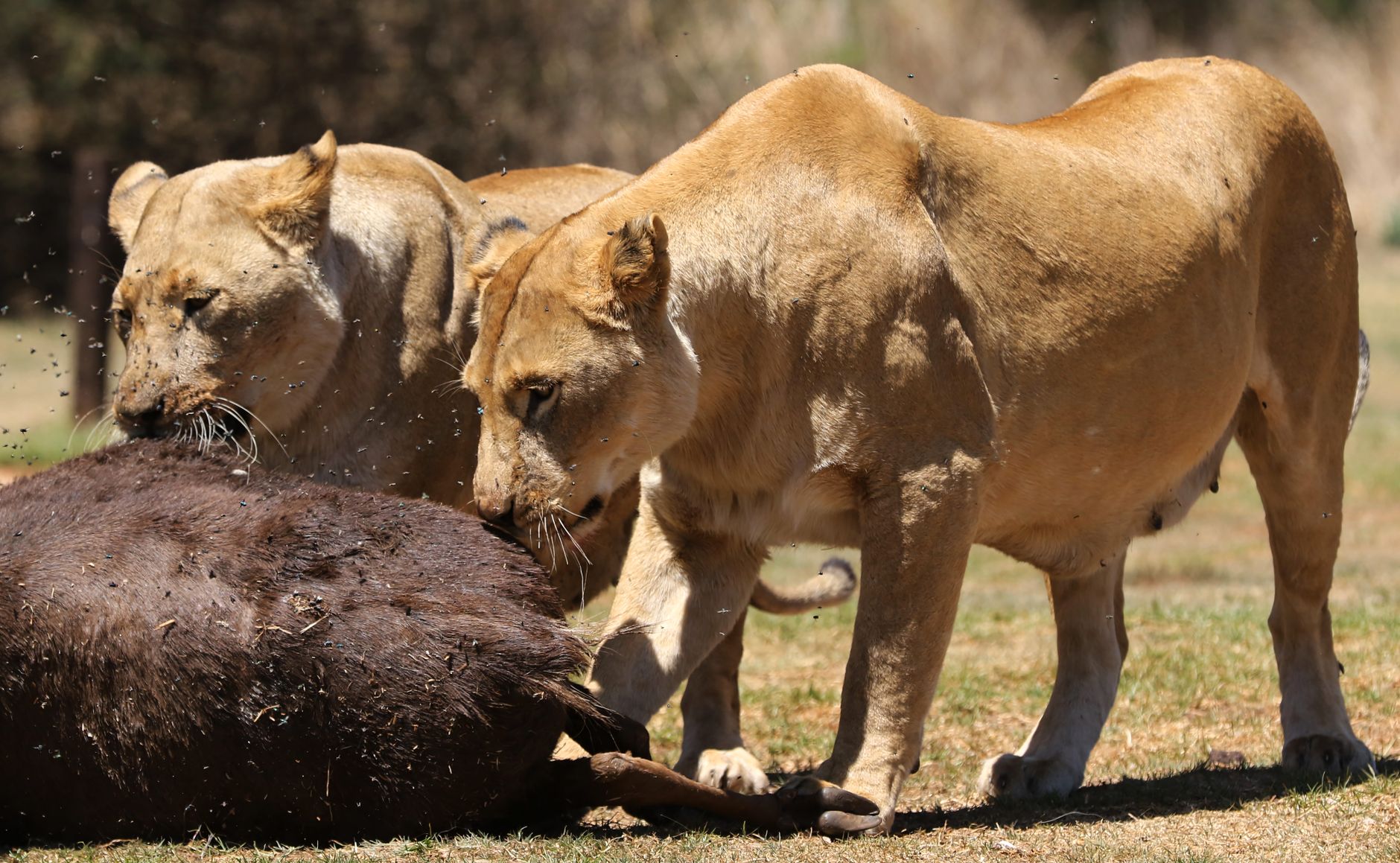
The question of whether can a lion kill an elephant? evokes images of a David-and-Goliath scenario, a clash between predator and colossal herbivore. The reality is far more nuanced. Lions, apex predators of the African savanna, primarily target medium to large ungulates like zebras, wildebeest, and buffalo. Elephants, the largest land animals on Earth, are generally beyond their typical prey range. Their sheer size, thick skin, powerful defenses, and close-knit family structures make them formidable adversaries. However, there are documented cases, albeit few, where lions have successfully brought down an elephant.
What colours are fish most attracted to?
Can you put your finger in a trout's mouth?
Is methylene blue anti bacterial?
Does aquarium salt raise pH in aquarium?
Understanding the Dynamics: Elephant Defenses and Lion Strategies

Elephants possess a multitude of defenses that deter most predators. These include:
- Size and Strength: An adult African bush elephant can weigh up to 6 tons and stand over 10 feet tall. Their sheer mass makes them difficult to attack.
- Thick Skin: Elephant skin is incredibly thick, providing a natural barrier against claws and teeth.
- Tusks: Sharp, elongated incisors serve as formidable weapons for goring and defense.
- Trunk: The trunk can be used to swat away predators or lift them off the ground.
- Social Structure: Elephants live in matriarchal herds, providing collective defense. They will fiercely protect their young and vulnerable members.
Lions, on the other hand, rely on coordinated pack hunting strategies. They typically target vulnerable areas like the hindquarters, flanks, and throat. Success against larger prey depends on:
- Numbers: A large pride, often consisting of 15 or more lions, is crucial for tackling large, dangerous prey.
- Coordination: Lions use sophisticated hunting techniques, including flanking, ambushing, and relentless pursuit.
- Vulnerability: Targeting young, sick, injured, or isolated elephants significantly increases their chances of success.
The Role of Environmental Factors
The environment plays a crucial role in determining the likelihood of lions preying on elephants. During droughts, when food is scarce, lions may be more desperate and willing to take risks. Conversely, abundant prey availability reduces the incentive to target such a difficult and dangerous animal. Also, the terrain can affect hunting success. Open savannas offer little cover for lions, making it harder to ambush elephants. Denser vegetation provides more opportunities for a surprise attack.
Documented Instances: When Lions Take Down Elephants
While rare, documented cases exist where lions have killed elephants. These instances often occur in specific regions, like Botswana’s Chobe National Park, where lion prides have developed a specialized strategy for hunting elephants. These cases generally involve:
- Young Elephants: Calves are the most vulnerable targets.
- Weakened Individuals: Sick or injured elephants are easier to subdue.
- Large Prides: The size of the pride is a significant factor.
These incidents are often attributed to desperation during times of scarcity and the development of specialized hunting behaviors within certain lion populations. These are extreme cases and not representative of typical lion behavior. The idea that can a lion kill an elephant? relies on these extreme conditions.
Why Elephants Are Rarely Lion Prey
The rarity of elephant predation by lions highlights the significant challenges involved.
- Risk of Injury: Attacking an elephant carries a high risk of injury or death for the lions. A single kick or a well-aimed tusk can be fatal.
- Energy Expenditure: The energy required to hunt and kill an elephant is substantial.
- Alternative Prey: Lions typically have access to easier and less dangerous prey options.
Therefore, while theoretically can a lion kill an elephant? is possible, the risks and challenges involved usually outweigh the potential benefits, making elephants an uncommon target.
Frequently Asked Questions (FAQs)
What is the typical age of an elephant killed by lions?
Typically, elephants killed by lions are young calves that are separated from their mothers or are otherwise vulnerable. Older, more mature elephants possess greater defenses and are less susceptible to predation.
Are there specific lion prides known for hunting elephants?
Yes, certain prides, particularly in regions like Chobe National Park in Botswana, have developed a reputation for hunting elephants, especially during dry seasons when other prey is scarce. This behavior is not typical of all lion prides.
What is the role of drought in lion predation on elephants?
Drought conditions can significantly increase the likelihood of lions preying on elephants. Scarcity of other prey forces lions to take greater risks, and elephants, especially weaker individuals, become more attractive targets.
How do lions typically attack an elephant?
Lions usually target vulnerable areas such as the hindquarters, flanks, and throat. They may attempt to bring the elephant down by hamstringing it or overwhelming it with their combined weight and bite force.
Is it more common for male or female lions to participate in elephant hunts?
Female lions typically lead the hunt, as they are the primary hunters in the pride. However, male lions also participate, particularly when facing such a large and dangerous prey animal.
How does elephant family structure protect them from lions?
Elephants live in close-knit matriarchal herds, providing collective defense. The herd will fiercely protect its young and vulnerable members, often forming a protective circle around them when threatened.
What other predators might pose a threat to elephants besides lions?
While lions are the most likely predators of elephants, hyenas may scavenge on elephant carcasses or, in rare cases, target very young or weakened elephants.
Do elephants ever fight back against lions?
Yes, elephants will aggressively defend themselves against lions. They may use their tusks, trunk, and feet to injure or kill attacking lions.
What happens to the elephant carcass after a lion kill?
The carcass is typically consumed by the entire pride over several days. Vultures and other scavengers also play a role in cleaning up the remains.
Are there any conservation implications related to lion predation on elephants?
In certain areas where lions have a significant impact on elephant populations, it can lead to concerns about elephant survival. However, such instances are rare and require careful monitoring and management.
How do lions assess the vulnerability of an elephant?
Lions likely assess vulnerability based on visual cues, such as the elephant’s size, gait, and overall health. They may also target elephants that are separated from the herd or are displaying signs of injury or illness.
Could climate change impact lion predation on elephants?
Yes, climate change could exacerbate drought conditions, potentially increasing the frequency of lion predation on elephants due to increased competition for resources and weakened elephant populations.