
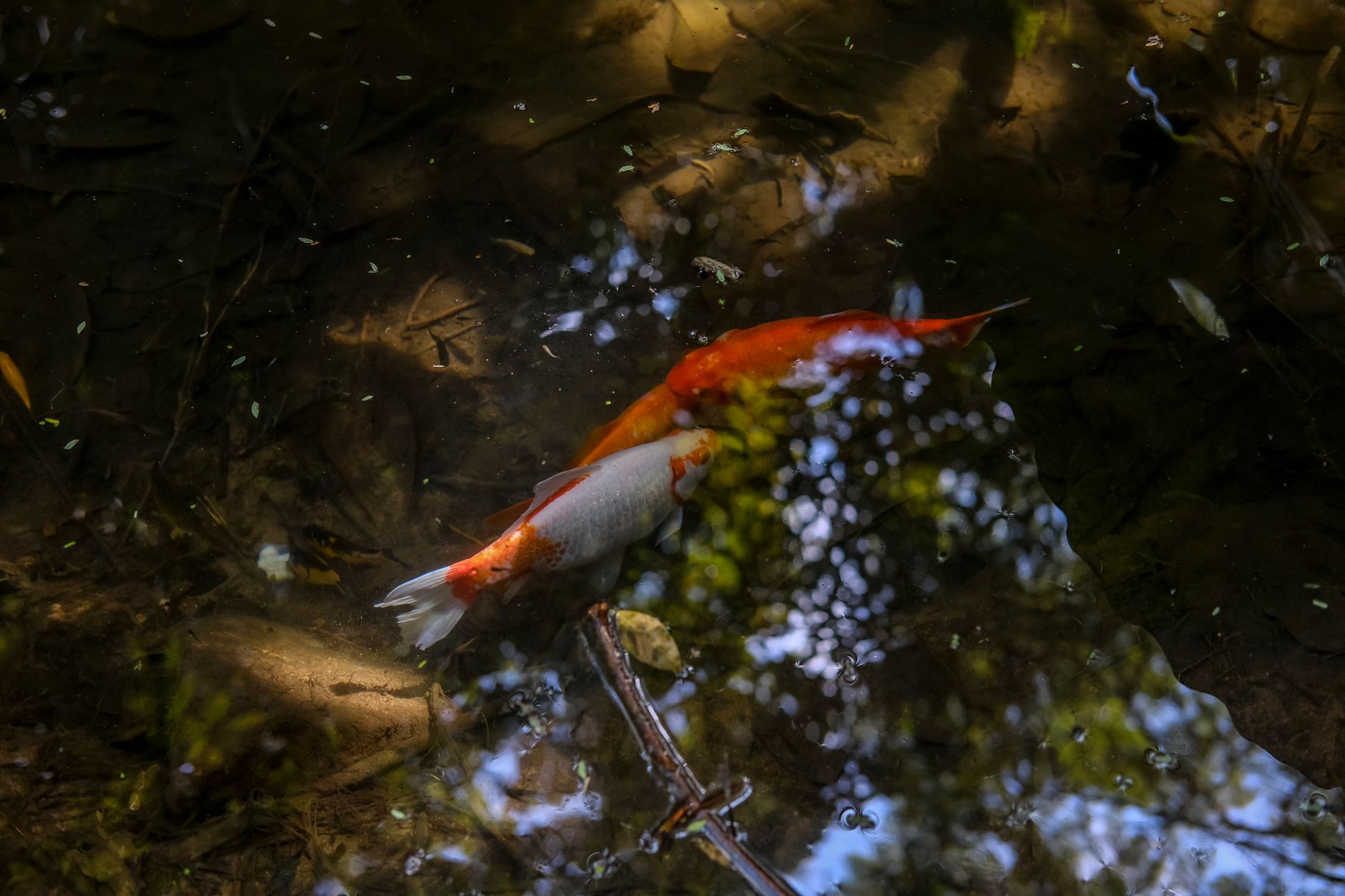
Can a Koi Pond Thrive in the Shade? Unveiling the Truth
While sunlight is often associated with healthy aquatic life, can a koi pond be in shade? The answer is a nuanced yes, but with careful planning and management, your koi can flourish even in a shaded environment.

Introduction: The Sunny Myth of Koi Keeping
Many believe koi ponds need constant, direct sunlight to thrive. This misconception stems from the idea that sunlight is essential for algae growth, which, in turn, supports the pond’s ecosystem. However, excessive sunlight can also lead to problems like algae blooms and overheating. Understanding the delicate balance is crucial for successful koi keeping. Can a koi pond be in shade? Absolutely, if you address the specific challenges this presents.

What colours are fish most attracted to?
Can you put your finger in a trout's mouth?
Is methylene blue anti bacterial?
Does aquarium salt raise pH in aquarium?
Benefits of a Shaded Koi Pond

While sunlight has its advantages, a shaded koi pond offers several compelling benefits:
- Reduced Algae Growth: Less sunlight means less opportunity for rampant algae blooms, creating a clearer and more visually appealing pond.
- Lower Water Temperatures: Shade keeps the water cooler, which is especially important in hot climates. Koi thrive in cooler temperatures (65-75°F).
- Protection from UV Radiation: Prolonged exposure to UV radiation can be harmful to koi and other pond life. Shade provides natural protection.
- A More Comfortable Environment: Koi, like all animals, can experience stress from excessive heat and light. Shade offers them a respite and a more comfortable environment.
- Reduced Evaporation: Shaded ponds will generally experience less water evaporation than those with full sun exposure.
Addressing the Challenges of a Shaded Koi Pond
While a shaded pond offers benefits, it also presents specific challenges that require careful consideration:
- Reduced Photosynthesis: Sunlight is essential for aquatic plants to photosynthesize and produce oxygen. In a heavily shaded pond, supplemental aeration is crucial.
- Vitamin D Deficiency: While koi get some vitamin D from their food, sunlight plays a role in vitamin D production in their skin. Supplementing their diet with vitamin D-rich food can help.
- Slower Plant Growth: While excessive algae growth is undesirable, some aquatic plants are beneficial for filtration and oxygenation. Shade can inhibit their growth.
- Potential for Increased Leaf Litter: If the shade comes from trees, leaf litter can become a problem, decaying in the water and impacting water quality. Regular cleaning is essential.
Optimizing Water Quality in a Shaded Koi Pond
Maintaining optimal water quality is paramount in any koi pond, but even more so in a shaded environment. Key strategies include:
- Effective Filtration System: Invest in a robust filtration system that includes mechanical, biological, and chemical filtration. This is essential to remove waste and maintain water clarity.
- Supplemental Aeration: Install an air pump and air stone to increase oxygen levels in the water. This is particularly important in shaded ponds where photosynthesis is limited.
- Regular Water Testing: Monitor water parameters such as pH, ammonia, nitrite, and nitrate levels. This will help you identify and address any imbalances promptly.
- Partial Water Changes: Perform regular partial water changes (10-20% weekly) to remove accumulated waste and replenish essential minerals.
- Beneficial Bacteria: Add beneficial bacteria to the pond to help break down organic waste and improve water quality.
Plant Selection for Shaded Koi Ponds
Even in a shaded pond, you can incorporate plants that thrive in lower light conditions. Consider the following options:
- Anubias: These hardy plants are known for their ability to tolerate low light and are a popular choice for aquariums and ponds.
- Java Fern: Another low-light tolerant plant that can be attached to rocks or driftwood in the pond.
- Cryptocoryne: A genus of aquatic plants that includes several species that can thrive in shaded environments.
- Water Hyacinth & Water Lettuce: While technically needing some sunlight, floating plants can effectively filter water, and limited sun exposure can still allow them to function. Remember, they may not spread as aggressively.
Addressing Leaf Litter in Shaded Ponds
If trees provide the shade for your pond, you’ll need to manage leaf litter effectively.
- Pond Netting: Use a pond net during the fall to prevent leaves from falling into the water.
- Regular Skimming: Skim the surface of the pond regularly to remove any leaves that do fall in.
- Pond Vacuum: Use a pond vacuum to remove accumulated debris from the bottom of the pond.
- Consider Tree Trimming: Trim overhanging branches to reduce the amount of leaf litter entering the pond.
Table: Comparing Sunny vs. Shaded Koi Pond Management
| Feature | Sunny Koi Pond | Shaded Koi Pond |
|---|---|---|
| Algae Growth | Higher, potential for blooms | Lower, less algae control needed |
| Water Temperature | Higher, potential for overheating | Lower, generally cooler temps |
| Oxygen Levels | Potential for diurnal fluctuations | More consistent, aeration essential |
| Plant Growth | Faster, more diverse plant options | Slower, select shade-tolerant plants |
| Leaf Litter | Less of a concern | More of a concern, requires cleaning |
| Vitamin D | Natural production supported | Dietary supplementation may be needed |
Creating the Ideal Shaded Koi Pond Environment: A Step-by-Step Guide
- Assess the Shade: Determine the amount of shade your pond will receive throughout the day.
- Design the Pond: Plan the pond’s size, shape, and depth based on the amount of shade and the number of koi you plan to keep.
- Install Filtration: Choose a filtration system that is appropriately sized for the pond and designed to handle the specific challenges of a shaded environment.
- Add Aeration: Install an air pump and air stone to ensure adequate oxygen levels in the water.
- Select Shade-Tolerant Plants: Choose plants that thrive in low-light conditions and will help to filter the water and provide oxygen.
- Monitor Water Quality: Regularly test the water and make adjustments as needed to maintain optimal water parameters.
- Manage Leaf Litter: Implement a plan to prevent and remove leaf litter from the pond.
- Adjust Koi Diet: Ensure your koi are getting a balanced diet, perhaps with vitamin D supplementation.
Frequently Asked Questions About Shaded Koi Ponds
Is it true that koi need direct sunlight to survive?
No, that is a common misconception. While some sunlight is beneficial, koi can thrive in shaded environments provided that water quality is carefully managed and supplemental aeration is provided. Direct sunlight isn’t a necessity, and in some cases, can be detrimental.
How much shade is too much for a koi pond?
The ideal amount of shade is about 50-70% coverage. Complete shade can lead to a lack of oxygen and stunted plant growth. Some filtered sunlight exposure is beneficial.
What type of filtration system is best for a shaded koi pond?
A combination of mechanical, biological, and UV filtration is ideal. Mechanical filtration removes debris, biological filtration breaks down waste, and UV filtration controls algae. Ensure your system is rated for a larger pond volume than yours if possible, to create headroom.
How can I tell if my koi are not getting enough sunlight in a shaded pond?
Signs of vitamin D deficiency include lethargy, poor appetite, and increased susceptibility to disease. Consider supplementing their diet with vitamin D-rich food. Observe your fish’s behavior and coloration for subtle clues.
What are the best plants to use in a shaded koi pond for filtration?
Anubias, Java Fern, and Cryptocoryne are good choices for shaded ponds. Water lettuce and water hyacinth can also be used, but they may not grow as vigorously in full shade.
How often should I clean a shaded koi pond to remove leaf litter?
The frequency of cleaning depends on the amount of leaf litter entering the pond. Skim the surface daily and vacuum the bottom weekly or bi-weekly during the fall.
Will a shaded koi pond attract more mosquitoes?
Shaded ponds, especially if poorly maintained, can attract mosquitoes. However, a healthy koi pond with a balanced ecosystem and good water circulation will naturally control mosquito larvae. Consider introducing mosquito-eating fish like mosquito fish (Gambusia affinis).
Can I use a pond dye to shade my koi pond?
Pond dyes can provide shade, but they also block sunlight needed for plant growth. Use them sparingly and only if necessary. Choose a dye that is specifically designed for koi ponds and is safe for aquatic life.
How can I increase oxygen levels in a shaded koi pond?
Use an air pump and air stone to increase oxygen levels. Ensure the air stone is placed deep in the pond to maximize oxygen diffusion. You can also add waterfalls or fountains to further aerate the water.
Will a shaded koi pond still require algae control?
While shade reduces algae growth, it doesn’t eliminate it entirely. You may still need to use algae control methods, such as beneficial bacteria or UV sterilizers, but less frequently than in a sunny pond.
How does shading a pond affect the beneficial bacteria in my biological filter?
Beneficial bacteria are less directly affected by shade than photosynthetic algae or aquatic plants. However, they depend on a stable environment, so ensure the water parameters (pH, temperature) remain relatively constant. Good water flow and sufficient surface area in your biological filter are more crucial than sunlight for these bacteria.
Can a koi pond be in shade year-round?
Yes, a koi pond can be in shade year-round, but you must actively manage the pond environment to compensate for the lack of sunlight. This includes ensuring adequate oxygen levels, providing a balanced diet for your koi, selecting appropriate plants, and maintaining excellent water quality. Regular monitoring and adjustments are key to a thriving shaded koi pond.