
Can a Chinchilla Get a Cold? Protecting Your Fluffy Friend
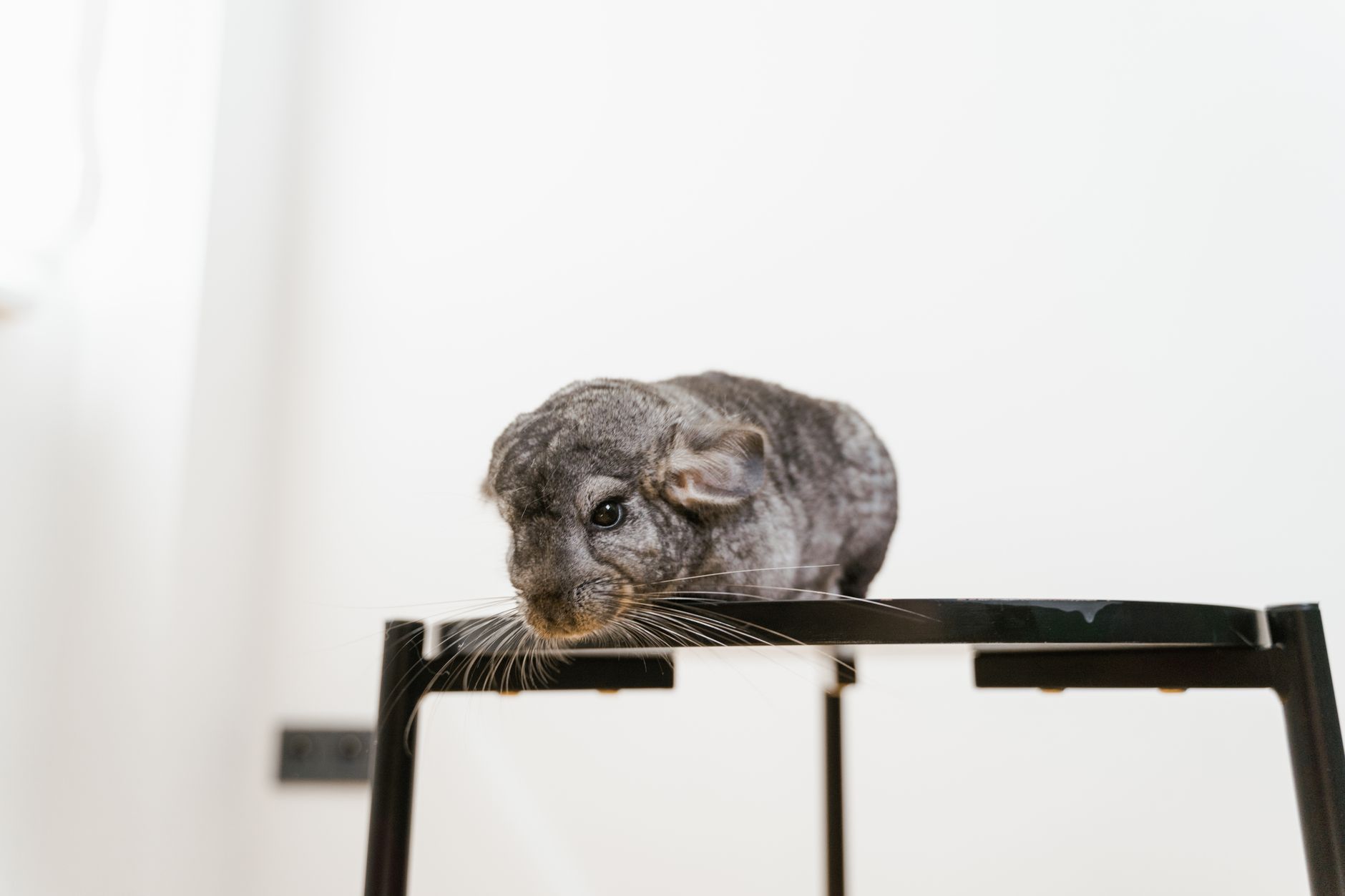
While chinchillas don’t contract colds in the same way humans do, they are susceptible to upper respiratory infections (URIs) with similar symptoms. So, the answer is yes, a chinchilla can get a cold-like illness, and recognizing the signs is crucial for their health.
Understanding Chinchilla Respiratory Health
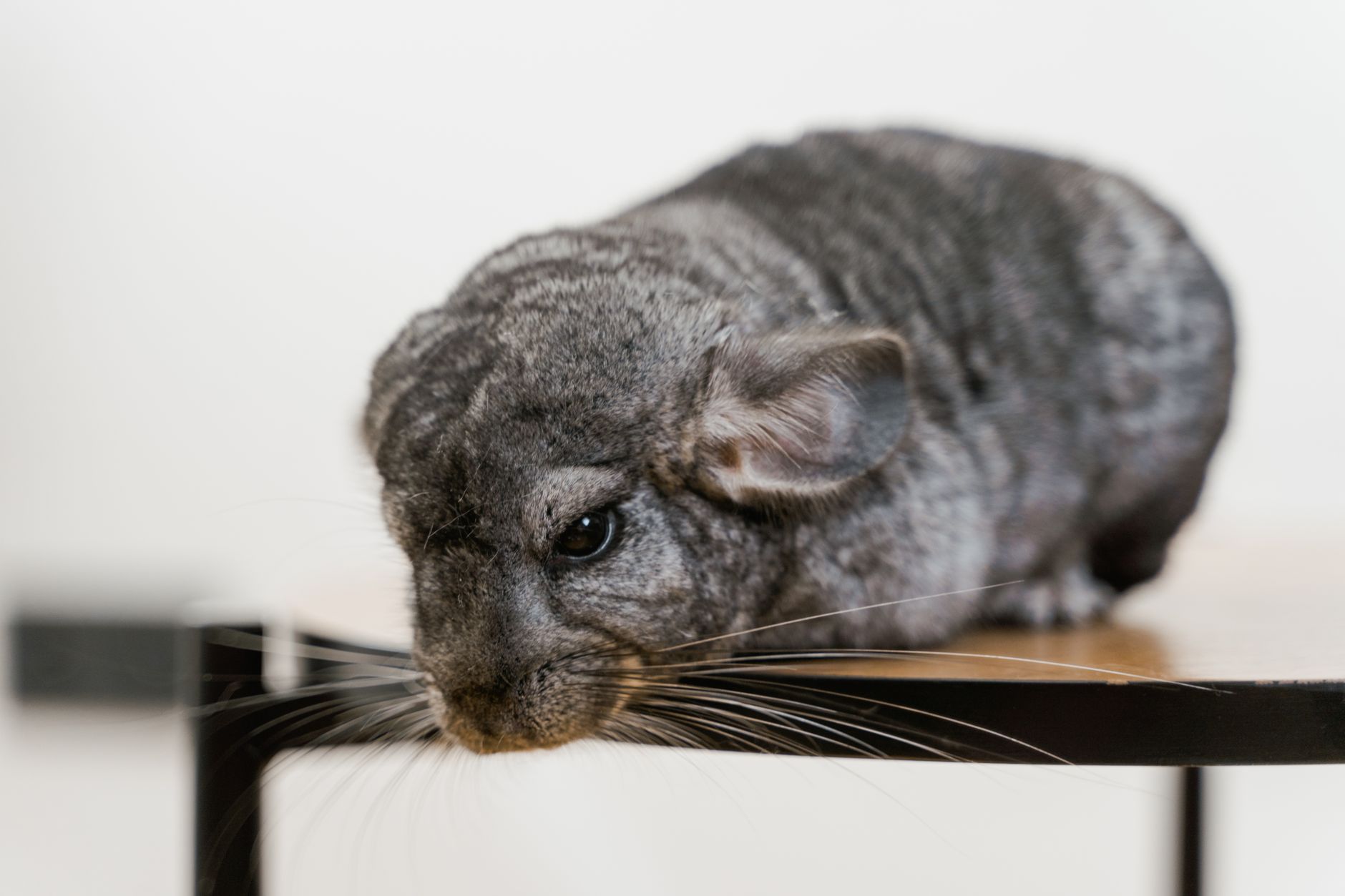
Chinchillas, with their dense fur and sensitive respiratory systems, require a specific environment to thrive. Unlike humans, they’re not prone to catching the common cold virus. However, they are vulnerable to bacterial infections that affect their upper respiratory tract, presenting symptoms that resemble a human cold. Therefore, when considering “Can a chinchilla get a cold?“, it’s important to reframe this question as “Can a chinchilla get an infection with cold-like symptoms?“
Is distilled water good for goldfish?
What colours are fish most attracted to?
Can you put your finger in a trout's mouth?
Is methylene blue anti bacterial?
Factors Contributing to Respiratory Issues in Chinchillas

Several factors can predispose a chinchilla to respiratory problems:
- Poor Ventilation: Stagnant air can harbor bacteria and dust, irritating the respiratory system.
- High Humidity: Chinchillas originate from the Andes Mountains, a dry environment. High humidity can lead to fungal growth and respiratory distress.
- Dusty Environment: Chinchilla dust baths, while essential for grooming, can create respiratory problems if the dust is too fine or if the enclosure isn’t properly ventilated.
- Stress: Stress weakens the immune system, making the chinchilla more susceptible to infections. Stressors include loud noises, changes in routine, or the presence of aggressive cage mates.
- Poor Diet: A diet lacking in essential nutrients can compromise the immune system.
- Exposure to Sick Animals: Contact with other sick pets can transmit bacterial infections.
Symptoms of a Chinchilla “Cold”
Recognizing the symptoms early is vital for successful treatment. Symptoms may include:
- Sneezing: Frequent or excessive sneezing.
- Nasal Discharge: Clear or colored discharge from the nose.
- Watery Eyes: Excessive tearing or wetness around the eyes.
- Difficulty Breathing: Labored breathing, wheezing, or rapid breathing.
- Lethargy: Reduced activity levels and a general lack of energy.
- Loss of Appetite: Reduced or absent appetite.
- Weight Loss: A noticeable decrease in body weight.
- Coughing: Though less common, coughing can occur.
It is important to note that some symptoms, such as watery eyes or nasal discharge, can also indicate other health problems, like dental issues or allergies.
Prevention is Key
Preventing respiratory problems in chinchillas requires careful management of their environment and lifestyle.
- Maintain Proper Ventilation: Ensure good airflow in the chinchilla’s enclosure without creating drafts.
- Control Humidity: Keep humidity levels below 50%. A dehumidifier may be necessary in humid climates.
- Use Appropriate Dust: Choose a high-quality chinchilla dust that is not too fine and dust bathe them in a well-ventilated area.
- Minimize Stress: Provide a quiet, stable environment with a consistent routine.
- Provide a Nutritious Diet: Feed a high-quality chinchilla pellet supplemented with appropriate treats and hay.
- Regular Vet Checkups: Schedule routine veterinary examinations to detect potential health problems early.
- Quarantine New Arrivals: Isolate new chinchillas from existing ones for several weeks to prevent the spread of disease.
Treatment Options
If you suspect your chinchilla has a respiratory infection, it is crucial to consult a veterinarian experienced with exotic animals. Never attempt to treat a chinchilla with over-the-counter medications intended for humans. Treatment options might include:
- Antibiotics: Prescribed by a veterinarian to combat bacterial infections.
- Supportive Care: Providing a warm, clean environment, ensuring adequate hydration, and offering palatable food.
- Nebulization: Inhaling a medicated mist to help clear the airways.
| Treatment | Description | Important Considerations |
|---|---|---|
| :————– | :———————————————————— | :—————————————————————— |
| Antibiotics | Medications to fight bacterial infections. | Must be prescribed by a vet; never use human antibiotics. |
| Supportive Care | Providing a comfortable and supportive environment. | Includes warmth, hydration, and palatable food. |
| Nebulization | Inhaling medicated mist to open airways. | Requires a nebulizer and vet-prescribed medication. |
Frequently Asked Questions (FAQs)
How quickly can a chinchilla’s “cold” turn serious?
Respiratory infections in chinchillas can progress rapidly. Due to their small size and sensitive respiratory systems, a minor infection can quickly become life-threatening. It’s crucial to seek veterinary care at the first sign of illness.
Can a chinchilla catch a cold from a human?
While chinchillas don’t catch human cold viruses in the traditional sense, it’s possible for humans to transmit bacteria that could cause respiratory illness in chinchillas. Practicing good hygiene, such as washing hands before and after handling your chinchilla, is always recommended.
What is the ideal temperature and humidity for a chinchilla’s environment?
The ideal temperature for a chinchilla is between 60°F and 75°F (15°C and 24°C). Humidity should be kept below 50%. High humidity is particularly detrimental to chinchilla health.
What kind of bedding is best to prevent respiratory problems?
Avoid bedding materials that produce a lot of dust, such as pine or cedar shavings. Paper-based bedding or fleece liners are generally safer options. Regular cleaning of the enclosure is vital, regardless of the bedding used.
How often should I dust bathe my chinchilla?
Dust bathing frequency depends on the individual chinchilla and environmental conditions. Generally, 2-3 times per week is sufficient. Over-dust bathing can dry out their skin, while under-dust bathing can lead to fur problems. Use a high-quality chinchilla dust specifically designed for their delicate fur.
Can stress worsen a chinchilla’s respiratory condition?
Yes, stress can significantly worsen a chinchilla’s respiratory condition by weakening their immune system. Minimize stressors such as loud noises, sudden changes in routine, and overcrowding.
What are some signs of dehydration in a chinchilla?
Signs of dehydration include sunken eyes, lethargy, and decreased skin elasticity. If you suspect your chinchilla is dehydrated, consult a veterinarian immediately. Providing fresh, clean water at all times is essential.
Is it safe to use a humidifier around chinchillas?
Generally, humidifiers are not recommended for chinchillas because they thrive in dry environments. Excessively high humidity can promote fungal growth and exacerbate respiratory problems.
What type of hay is best for chinchillas?
Timothy hay is the most common and recommended type of hay for chinchillas. It’s high in fiber, which is essential for digestive health, and it helps wear down their continuously growing teeth.
How important are regular veterinary checkups for chinchillas?
Regular veterinary checkups are extremely important for maintaining your chinchilla’s health. A veterinarian experienced with exotic animals can detect early signs of illness and provide preventative care.
What should I do if my chinchilla stops eating?
A loss of appetite in a chinchilla is a serious sign that requires immediate veterinary attention. It could indicate a variety of health problems, including respiratory infections, dental issues, or digestive problems.
Can a chinchilla recover from a “cold”?
With prompt and appropriate veterinary care, a chinchilla can recover from a respiratory infection. However, early detection and treatment are crucial for a successful outcome. Failure to seek treatment can lead to serious complications and even death. The answer to “Can a chinchilla get a cold?” while technically a URI, the treatment should be taken very seriously.