

Can a Bear Skull Stop a 9mm Round?
The question of whether a bear skull can stop a 9mm round is complex. While a bear skull might offer some resistance, it is highly unlikely to completely stop a 9mm bullet and should never be relied upon for protection.
Introduction: Myth vs. Reality of Ballistic Protection
The animal kingdom abounds with creatures possessing impressive natural armor. From the thick hides of rhinoceroses to the plated scales of alligators, evolution has crafted formidable defenses. Among these, the bear skull, particularly that of larger species like grizzlies, often sparks curiosity and speculation about its ability to withstand ballistic impacts. Can a bear skull stop 9mm? This question delves into the realm of both scientific inquiry and survival lore. However, separating the myth from reality requires a deeper understanding of skull anatomy, ballistics, and the specific characteristics of 9mm ammunition.

Is distilled water good for goldfish?
What colours are fish most attracted to?
Can you put your finger in a trout's mouth?
Is methylene blue anti bacterial?
The Anatomy of a Bear Skull

Bear skulls are undeniably robust. They are built to withstand immense biting forces necessary for crushing bones and consuming a diverse diet. The thickness and density of the bone vary across different sections of the skull, with areas surrounding the braincase generally being the thickest. Several factors contribute to the overall strength of a bear skull:
- Bone Density: Bear skulls possess a high bone mineral density, making them resistant to blunt force trauma.
- Skull Shape: The rounded shape helps distribute impact forces, minimizing stress concentration.
- Internal Structure: The internal structure includes cancellous bone (spongy bone), which can absorb energy.
- Size and Age: Larger, older bears generally have thicker and denser skulls than smaller, younger individuals.
However, while dense and robust, bone, even bear bone, isn’t designed for ballistic protection in the same way as materials like steel or composite armor. Its strength lies in resisting crushing and blunt force, not necessarily penetrating projectiles traveling at high velocities.
9mm Ballistics: Understanding the Threat
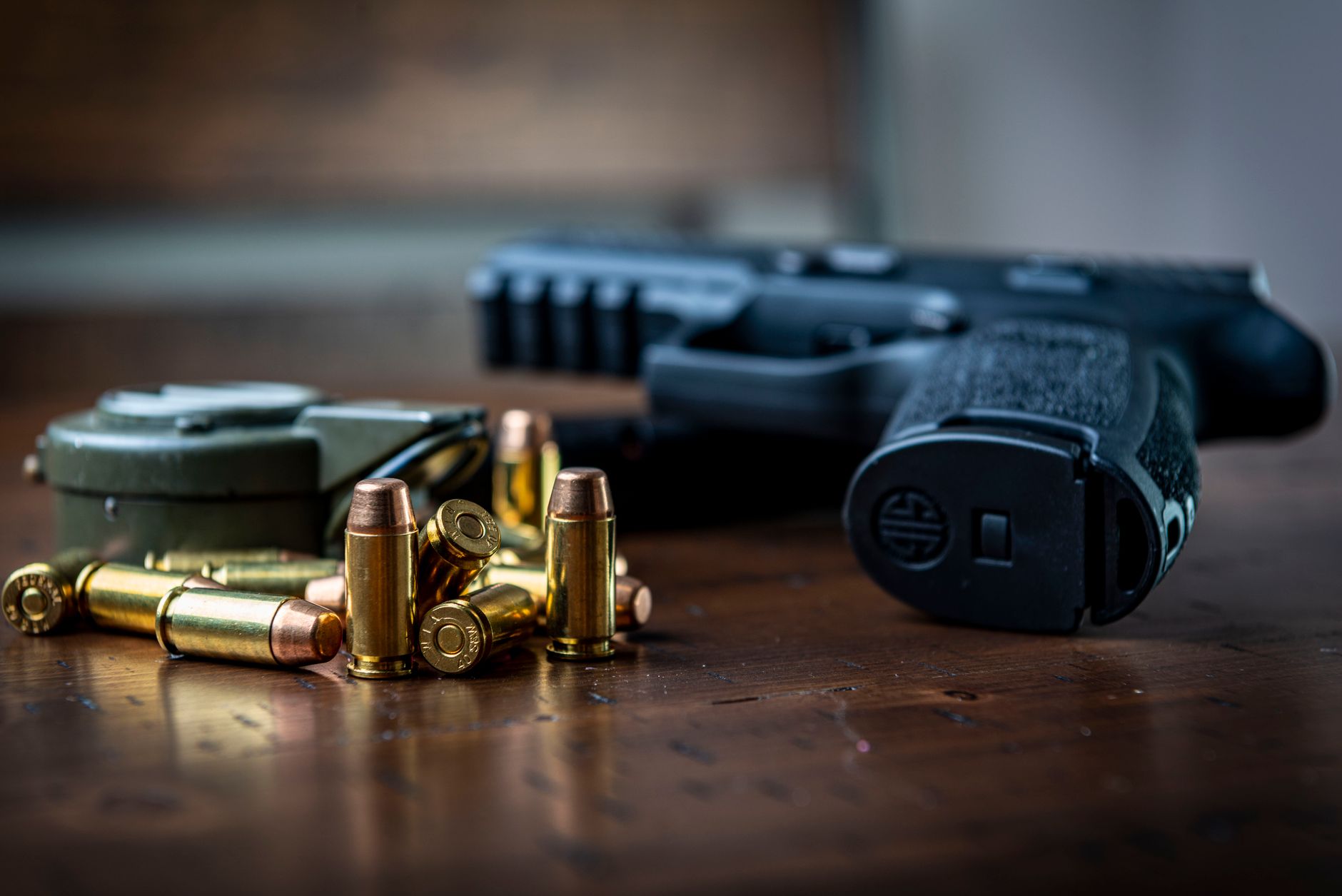
The 9mm Luger (or 9x19mm Parabellum) is a widely used handgun cartridge known for its balance of manageable recoil, sufficient power, and widespread availability. Understanding the performance of a 9mm round is crucial to evaluating whether can a bear skull stop 9mm. Key factors include:
- Velocity: Typical 9mm rounds travel at velocities ranging from 1,100 to 1,400 feet per second, depending on the specific load and barrel length.
- Kinetic Energy: The kinetic energy of a 9mm round is significant, capable of causing substantial damage to soft tissues and penetrating many materials.
- Bullet Composition: 9mm bullets are typically made of lead, often jacketed with copper or other materials, designed for penetration and expansion upon impact.
- Bullet Shape: Pointed bullets are designed for better penetration, while hollow-point bullets are designed to expand and transfer more energy upon impact.
The combination of velocity, kinetic energy, and bullet design makes the 9mm a formidable projectile that presents a considerable challenge to any barrier, including a bear skull.
Factors Influencing Penetration
The penetration ability of a 9mm bullet, when considering can a bear skull stop 9mm, depends on several variables:
- Distance: As distance increases, velocity and energy decrease due to air resistance.
- Angle of Impact: A direct, perpendicular impact will result in greater penetration than an angled impact.
- Bullet Type: Hollow-point bullets may expand on impact, potentially reducing penetration, while armor-piercing rounds are designed to penetrate hardened materials.
- Skull Thickness: The thickness of the skull at the point of impact is a critical factor.
- Bone Density: Higher bone density offers greater resistance.
- Condition of the Skull: A dried-out or degraded skull will be more brittle and less resistant than a fresh or well-preserved skull.
The Verdict: Stop or No Stop?
While a bear skull might deflect or slow down a 9mm round, it is highly unlikely to completely stop it. Even thick sections of the skull are unlikely to provide reliable protection against a direct hit. The energy of the bullet is simply too great, and the bone, while strong, is not designed to withstand such concentrated force. It is important to emphasize that the scenario where can a bear skull stop 9mm is relevant pertains almost exclusively to an extreme survival scenario.
Case Studies and Experiments (Theoretical)
Given the obvious ethical considerations, direct ballistic testing on bear skulls is rare and ethically problematic. However, extrapolations can be made from:
- Ballistic Gel Testing: Simulates the effects of bullets on soft tissues and can be used to estimate penetration depth in bone.
- Finite Element Analysis: Computer simulations can model the impact of a bullet on a skull, predicting stress distribution and potential failure points.
- Comparisons to Other Bone Structures: Studies on human skull fracture patterns and ballistic impacts can provide insights into the likely response of a bear skull to a 9mm round.
- Existing Studies on Bone Ballistics: Some studies exist exploring the ballistic resistance of bone. While generally focused on human bones in forensic context, these provide important benchmarks.
These theoretical methods, while not conclusive, strongly suggest that a 9mm round would likely penetrate a bear skull.
Frequently Asked Questions
Can a small caliber bullet be stopped by a bear skull?
While a smaller caliber bullet, such as a .22LR, might be stopped by a particularly thick section of a bear skull, it is not a reliable defense. Factors such as distance, angle of impact, and the condition of the skull would still play a significant role.
Would a different type of 9mm ammunition make a difference?
Yes, the type of 9mm ammunition can influence penetration. Armor-piercing rounds are designed to penetrate hardened materials and would be more likely to penetrate a bear skull than standard rounds. Hollow-point bullets might expand and reduce penetration slightly, but this is not guaranteed.
How does skull size impact its ability to stop a bullet?
Larger skulls, generally found on older and larger bears, tend to be thicker and denser, offering slightly greater resistance. However, even a large skull is unlikely to completely stop a 9mm round.
Is the skull stronger in certain areas?
Yes, the skull is typically thicker and denser in areas surrounding the braincase and the facial structure, particularly around the nose and jaw. These areas might offer slightly more resistance, but still, stopping a 9mm is unlikely.
Can a bear skull deflect a bullet if hit at an angle?
An angled impact might deflect a bullet, potentially reducing penetration or causing it to glance off the skull. However, this is highly unpredictable and not a reliable strategy.
How does the condition of the skull affect its resistance to bullets?
A fresh, well-preserved skull will be more resilient than a dried-out, brittle, or damaged skull. The degradation of bone can significantly reduce its strength and resistance to impact. Therefore, a fresh skull is slightly better, though it is still unlikely to provide bulletproof defense.
Is there any real-world evidence of bear skulls stopping bullets?
There are no documented cases of a bear skull reliably stopping a 9mm round in a defensive situation. Anecdotal accounts should be treated with extreme skepticism.
Could multiple layers of bear skulls provide protection?
While multiple layers of any material can increase resistance, relying on multiple bear skulls for protection is highly impractical and unreliable. The effectiveness would depend on the specific arrangement and the thickness of each layer.
What materials offer better ballistic protection than a bear skull?
Materials such as steel, ceramic, and composite armor are specifically designed for ballistic protection and offer far superior performance compared to bone. These materials are engineered to absorb and dissipate the energy of a bullet.
How would a bear skull compare to other animal skulls regarding ballistic resistance?
Skulls of other large animals, such as rhinoceroses or water buffalo, might offer similar levels of resistance due to their size and density. However, none are designed for ballistic protection, and all would likely fail against a 9mm round.
Is it legal to possess a bear skull for testing or display?
The legality of possessing a bear skull varies depending on local laws and regulations. It is essential to check with the relevant authorities to ensure compliance with wildlife protection laws and any restrictions on possessing animal parts.
What safety precautions should be taken if handling a bear skull?
Bear skulls may carry diseases or parasites, so it is essential to wear gloves and take appropriate hygiene measures when handling them. Thorough cleaning and disinfection are also recommended.