

Can You Just Boil Water to Make it Distilled? Exploring the Simplicity of Distillation
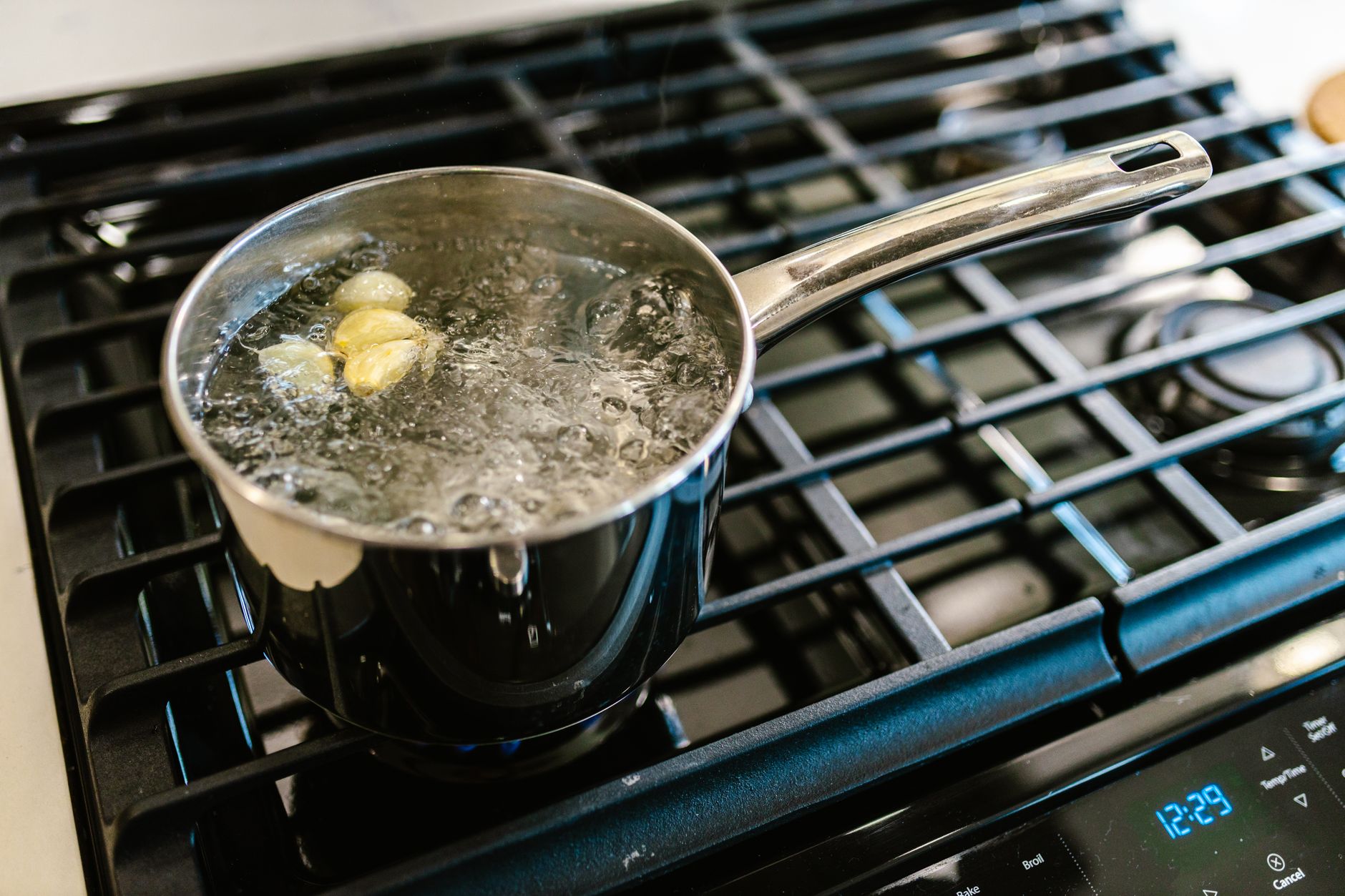
Can you just boil water to make it distilled? The answer is a resounding yes! Boiling water and capturing the steam, leaving impurities behind, is essentially the process of distillation.

Introduction: The Allure of Distilled Water
Distilled water, often perceived as the purest form of water, is widely used in various applications, from scientific experiments to household appliances. Many people wonder if achieving this level of purity is as simple as boiling water. The concept of distillation hinges on the principle that water boils at a lower temperature than most impurities. This difference allows for the separation of water molecules from dissolved solids, minerals, and even some contaminants. Can you just boil water to make it distilled? While the fundamental concept is straightforward, achieving true distilled-quality water requires a controlled process and careful attention to detail.
Can fish hear water?
How do I add oxygen to my goldfish water?
Do carbon filters remove water hardness?
What is the GREY African clawed frog?
The Basic Process of Distillation

The distillation process involves three main steps:
- Boiling: Heat water to its boiling point, converting it into steam.
- Condensation: Capture the steam and cool it down, converting it back into liquid water.
- Collection: Collect the resulting distilled water, which is free from most impurities.
This process effectively removes minerals, salts, heavy metals, and even some microorganisms. However, it’s crucial to understand that some volatile organic compounds (VOCs) may also evaporate with the water and contaminate the final product.
Benefits of Using Distilled Water
Distilled water offers a range of benefits, including:
- Purity: Free from most minerals and contaminants, making it ideal for sensitive applications.
- Scale Prevention: Prevents mineral buildup in appliances like steam irons and humidifiers.
- Laboratory Use: Essential for experiments and procedures requiring highly pure water.
- Medical Applications: Used in CPAP machines and other medical devices to prevent mineral accumulation and bacterial growth.
Building a Simple Distillation Setup
While industrial distillation setups are complex, a simple homemade distillation setup can be created using readily available materials. A basic setup would include:
- A pot or container to boil the water.
- A lid or cover to capture the steam.
- A collection container to catch the condensed water.
- A method for cooling the steam (e.g., ice packs or a cold environment).
However, the purity of water obtained through this method will depend heavily on the cleanliness of the equipment and the effectiveness of the condensation process.
Common Mistakes in Home Distillation
Even though Can you just boil water to make it distilled? is a simple question, many people commit errors when attempting home distillation. Common mistakes include:
- Using dirty equipment: Contaminated equipment can introduce impurities into the distilled water.
- Inefficient condensation: Inadequate cooling can lead to steam loss and reduced water yield.
- Collecting the initial distillate: The first portion of the distilled water may contain volatile contaminants that evaporate before the water itself.
- Not monitoring the temperature: Maintaining a consistent boiling point is crucial for efficient distillation.
Distilled Water vs. Other Water Types
| Water Type | Purity Level | Mineral Content | Common Uses |
|---|---|---|---|
| Distilled Water | Very High | Virtually None | Appliances, labs, medical devices |
| Purified Water | High | Low | Drinking, cooking |
| Filtered Water | Moderate | Variable | Drinking, improving taste of tap water |
| Tap Water | Variable | Variable | Drinking, household uses |
Frequently Asked Questions
Is distilled water safe to drink?
While distilled water is safe to drink, it lacks the minerals found in tap water or mineral water. Some argue that long-term consumption of distilled water may lead to mineral deficiencies, although this is a contested point. It is certainly safe for short-term use and rehydration.
Can I use any pot for distillation?
No, it’s best to use stainless steel or glass pots for distillation. Avoid using aluminum or other reactive metals, as they may leach into the water and contaminate it. Always ensure the pot is clean and free from residue.
How can I improve the efficiency of my distillation setup?
Improving efficiency involves maximizing steam capture and condensation. Ensure a tight seal on your distillation apparatus and use efficient cooling methods, such as ice baths or a condenser with flowing cold water.
What are the signs that my distilled water is contaminated?
Look for any unusual tastes, odors, or cloudiness in the distilled water. If you suspect contamination, discard the water and clean your equipment thoroughly before attempting another distillation.
How long does it take to distill water?
The time it takes to distill water depends on the amount of water and the efficiency of your setup. A small batch (e.g., 1 gallon) may take several hours, while larger batches can take significantly longer.
Can you just boil water to make it distilled? and then store it?
Yes, you can store distilled water, but it’s crucial to use a clean, airtight container made of glass or food-grade plastic. Store it in a cool, dark place to prevent contamination.
Is distilled water the same as deionized water?
Distilled water and deionized water are not the same. Distillation removes most impurities through boiling and condensation. Deionization removes ions using ion exchange resins, which is another method to purify water.
Does boiling water remove all impurities?
While boiling water kills most bacteria and viruses, it does not remove minerals, salts, or heavy metals. Distillation is necessary to remove these impurities effectively.
Is distilled water suitable for car batteries?
Yes, distilled water is ideal for topping off car batteries. Its purity prevents mineral buildup and corrosion, extending the battery’s lifespan.
Can you just boil water to make it distilled? at high altitude?
Yes, the process is the same at high altitude, but the boiling point of water is lower. Adjust your heating accordingly to ensure efficient distillation without excessive steam loss.
How do I clean my distillation equipment?
Clean your equipment with hot, soapy water and a non-abrasive sponge. Rinse thoroughly and allow to air dry completely before storing. Avoid using harsh chemicals that could leave residues.
Is it cheaper to distill my own water than to buy it?
The cost-effectiveness depends on your water consumption and the price of distilled water in your area. If you use distilled water frequently, distilling your own can be more economical in the long run, after the initial equipment investment. Can you just boil water to make it distilled? for a cheaper, albeit not the best, result? The answer is still yes.