

Can a Bald Eagle Lift? Understanding the Limits of Their Majestic Flight
Yes, a bald eagle can lift, but its lifting capacity is limited by its weight, wingspan, and wind conditions. They can typically lift between 4-8 pounds, although some exceptionally strong eagles may lift slightly more under ideal circumstances.

The Bald Eagle: A Symbol of Strength, Not Superhuman Power
The bald eagle, Haliaeetus leucocephalus, is a magnificent bird of prey and the national symbol of the United States. Its powerful presence and soaring flight evoke feelings of freedom and strength. However, while possessing considerable power, the question of “Can a bald eagle lift?” involves understanding the biomechanics of flight and the physical limitations of even this impressive creature. The popular image of an eagle effortlessly carrying off prey many times its size is often a misconception.

What colours are fish most attracted to?
Can you put your finger in a trout's mouth?
Is methylene blue anti bacterial?
Does aquarium salt raise pH in aquarium?
Understanding Bald Eagle Anatomy and Flight Mechanics
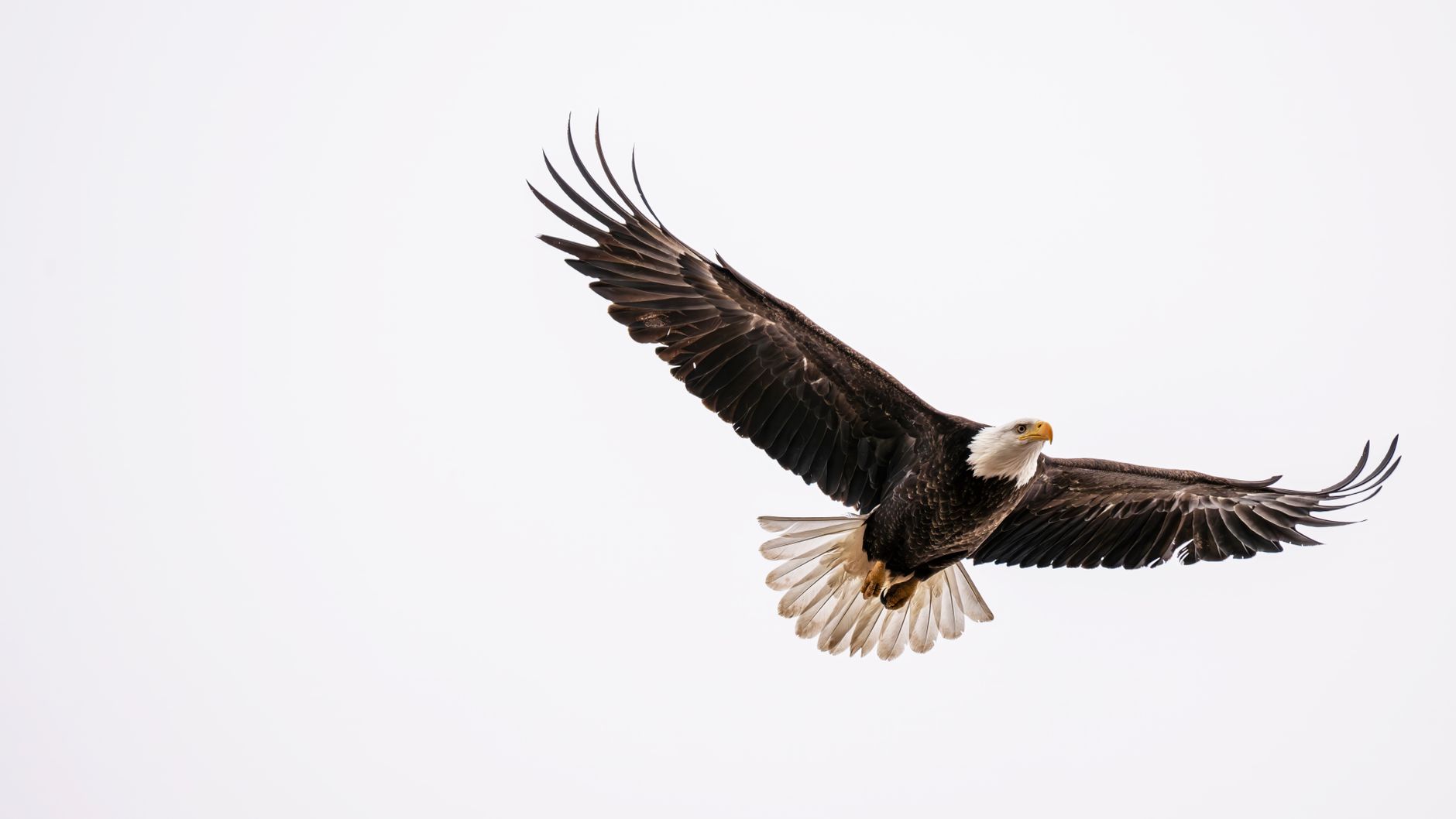
To understand the lifting capabilities of a bald eagle, it’s essential to examine the key factors that influence flight:
-
Wingspan: Bald eagles possess a significant wingspan, typically ranging from 6 to 8 feet. This large surface area allows them to generate substantial lift.
-
Weight: A fully grown bald eagle weighs between 8 and 14 pounds. This weight directly impacts how much additional weight it can carry. Heavier eagles will naturally be able to lift less.
-
Muscle Mass: Powerful pectoral muscles drive the wings, generating the thrust necessary for flight. Muscle mass varies between individual eagles, influencing their lifting strength.
-
Bone Structure: Hollow, lightweight bones contribute to reducing overall weight while maintaining structural integrity, which is a critical adaptation for flight.
-
Aerodynamics: The shape and arrangement of feathers create an aerodynamic profile that maximizes lift and minimizes drag.
Factors Affecting a Bald Eagle’s Lifting Capacity
The answer to “Can a bald eagle lift?” is not a simple yes or no, as several factors influence the amount of weight an eagle can successfully lift.
-
Wind Conditions: Strong headwinds can significantly assist an eagle in lifting heavier objects. Conversely, calm conditions or tailwinds require more effort and limit lifting capacity.
-
Prey Weight and Shape: The size and shape of the prey affect its aerodynamic drag. Awkwardly shaped or very large prey increases the difficulty of carrying it.
-
Eagle’s Age and Experience: Older, more experienced eagles are often better at judging wind conditions and utilizing their strength effectively.
-
Eagle’s Health and Condition: A healthy eagle in peak physical condition will be able to lift more than a sick or injured one.
-
Altitude: Higher altitudes mean thinner air, making lift generation more difficult and decreasing carrying capacity.
Common Misconceptions About Bald Eagle Strength
It’s a common misconception that eagles can lift extremely heavy objects. Stories of eagles carrying off lambs or small children are largely exaggerated or entirely fabricated. While “Can a bald eagle lift?” a substantial amount relative to other birds, they are limited by their own weight and physical capabilities. These stories are often fueled by a fascination with the eagle’s power and a misunderstanding of its actual physical limitations.
Weighing the Evidence: Research and Observations
Studies of bald eagle behavior and physiology support the estimated lifting capacity of 4-8 pounds. Field observations confirm that eagles typically carry prey within this weight range, such as fish, waterfowl, and small mammals. While some anecdotal reports suggest heavier loads, these are often unverified or involve eagles dropping the prey shortly after lifting it.
| Feature | Description | Impact on Lifting Capacity |
|---|---|---|
| Wingspan | 6-8 feet (approximately) | Large surface area generates significant lift. |
| Weight | 8-14 pounds (approximately) | Heavier weight reduces the amount of additional weight it can carry. |
| Usual Prey Weight | Typically under 8 pounds | Aligns with observed lifting capacities. |
| Influence of Wind | Headwinds assist, tailwinds hinder | Significantly affects the ease with which an eagle can lift and fly. |
| Eagle’s Physicality | Age, health, experience | All contribute to the eagle’s ability to lift heavier items. |
Frequently Asked Questions (FAQs)
How much can a bald eagle theoretically lift?
While the practical lifting capacity is around 4-8 pounds, a bald eagle might theoretically be able to lift a bit more in ideal conditions. However, attempting to lift significantly more than that would be extremely difficult and potentially dangerous for the bird. Factors such as a strong headwind and the eagle being in peak physical condition would be necessary.
Can a bald eagle lift a human baby?
No, it is highly improbable that a bald eagle could lift a human baby. Even a newborn infant typically weighs considerably more than the eagle’s maximum lifting capacity. This is a myth that has been perpetuated in popular culture, but lacks any factual basis.
What is the average weight of prey carried by a bald eagle?
The average weight of prey carried by a bald eagle is typically under 8 pounds. This includes fish, small mammals, and birds. Larger prey items are often consumed on the ground.
How do bald eagles hunt and carry their prey?
Bald eagles hunt by soaring high above the ground or water and using their keen eyesight to spot prey. They swoop down and snatch their prey with their sharp talons. They then use their talons to securely grip the prey while flying back to their nest or a perch.
Do male and female bald eagles have different lifting capacities?
Generally, female bald eagles are larger than males, meaning they would theoretically have a slightly greater lifting capacity. However, the difference is not dramatically significant.
Can a bald eagle lift a deer?
No, a bald eagle cannot lift a deer. Even a very young fawn weighs far too much for an eagle to lift. Eagles primarily prey on much smaller animals.
What happens if a bald eagle tries to lift something too heavy?
If a bald eagle tries to lift something too heavy, it may struggle to take off or might be unable to leave the ground at all. If it does manage to take off, it may be forced to drop the prey to avoid injury.
How does a bald eagle’s bone structure contribute to its lifting ability?
A bald eagle’s bones are hollow, making them lightweight but still strong. This is a crucial adaptation for flight, as it reduces the overall weight of the bird, allowing it to generate more lift.
Does the type of fish a bald eagle carries affect its lifting capacity?
Yes, the type of fish does affect the lifting capacity. The density and shape of the fish influence aerodynamic drag. A more streamlined fish will be easier to carry than a bulky, awkwardly shaped one of the same weight.
How does molting affect a bald eagle’s ability to lift?
Molting, the process of shedding old feathers and growing new ones, can temporarily affect a bald eagle’s ability to lift. Damaged or missing feathers can reduce lift and aerodynamic efficiency, making it more difficult to carry heavy loads.
Are there any videos of bald eagles lifting extremely heavy objects?
While there are some videos online purporting to show bald eagles lifting very heavy objects, many of these are either misidentified birds, manipulated videos, or show the eagle struggling and quickly dropping the object. Genuine footage of an eagle successfully carrying an object significantly heavier than 8 pounds is rare.
How has understanding the bald eagle’s flight ability contributed to aeronautics?
Studying the bald eagle’s flight has provided valuable insights into aerodynamics and wing design. Researchers have analyzed the eagle’s wing shape, feather arrangement, and flight patterns to improve the design of aircraft wings and control surfaces. Bio-inspiration from nature continues to play a crucial role in aeronautical engineering.