
Can 12 Volts Hurt You? Understanding Electrical Safety
Can 12 volts hurt you? While generally considered low voltage and less likely to cause serious harm compared to higher voltages, 12 volts can potentially hurt you under certain conditions, especially if the amperage is high enough or you have compromised skin.

Introduction: The Nature of Electrical Current
Electricity, the flow of electrons, is a fundamental force in our modern world. But it can be dangerous. We use electrical devices every day, often without considering the inherent risks. Understanding the basics of voltage, current, and resistance is crucial to staying safe around electricity. Knowing the answer to “Can 12 volts hurt you?” starts with that understanding.

What colours are fish most attracted to?
Can you put your finger in a trout's mouth?
Is methylene blue anti bacterial?
Does aquarium salt raise pH in aquarium?
Understanding Voltage, Current, and Resistance

To understand whether 12 volts can cause harm, it’s important to grasp these three fundamental concepts:
- Voltage (Volts): Electrical potential difference or the ‘pressure’ that pushes electrons through a circuit. Think of it as the force driving the current.
- Current (Amperes): The rate of flow of electrical charge. It’s the actual number of electrons passing a point in a circuit per unit time.
- Resistance (Ohms): Opposition to the flow of current. Materials resist the flow of electrons to varying degrees. Higher resistance limits current flow.
The relationship between these is described by Ohm’s Law: Voltage = Current x Resistance (V = IR).
The Role of Current in Electrical Shock
The severity of an electrical shock depends primarily on the amount of current that flows through the body, not just the voltage. While voltage provides the potential, it’s the current that causes physiological effects. Even low voltages can produce dangerous currents under certain circumstances. This is why understanding the conditions under which “Can 12 volts hurt you?” is an important safety question.
Factors Influencing Electrical Shock Severity
Several factors determine the severity of an electrical shock:
- Current Magnitude: The amount of current flowing through the body is the most important factor.
- Path of Current: The path the current takes through the body affects which organs are impacted. A path through the heart or brain is particularly dangerous.
- Duration of Contact: The longer the exposure, the more severe the effects.
- Frequency of AC Current: Alternating current (AC) at certain frequencies (like 50-60 Hz) is more dangerous than direct current (DC) because it can cause heart fibrillation.
- Individual Resistance: Skin resistance varies depending on dryness, moisture, and presence of cuts or abrasions. Wet skin significantly reduces resistance.
Why 12 Volts is Generally Considered Safe
12 volts is generally considered a low voltage, and most people can touch a 12-volt source without experiencing a dangerous shock. This is primarily due to the relatively high resistance of dry human skin. A typical dry skin resistance might be 100,000 ohms or more. Applying Ohm’s Law (V = IR), a 12-volt source would result in a very small current.
Conditions Where 12 Volts Can Be Harmful
Despite its relatively low voltage, 12 volts can be harmful under specific circumstances:
- Compromised Skin: Wet, broken, or cut skin dramatically reduces resistance. A small cut or even sweaty hands can drastically lower skin resistance, allowing more current to flow.
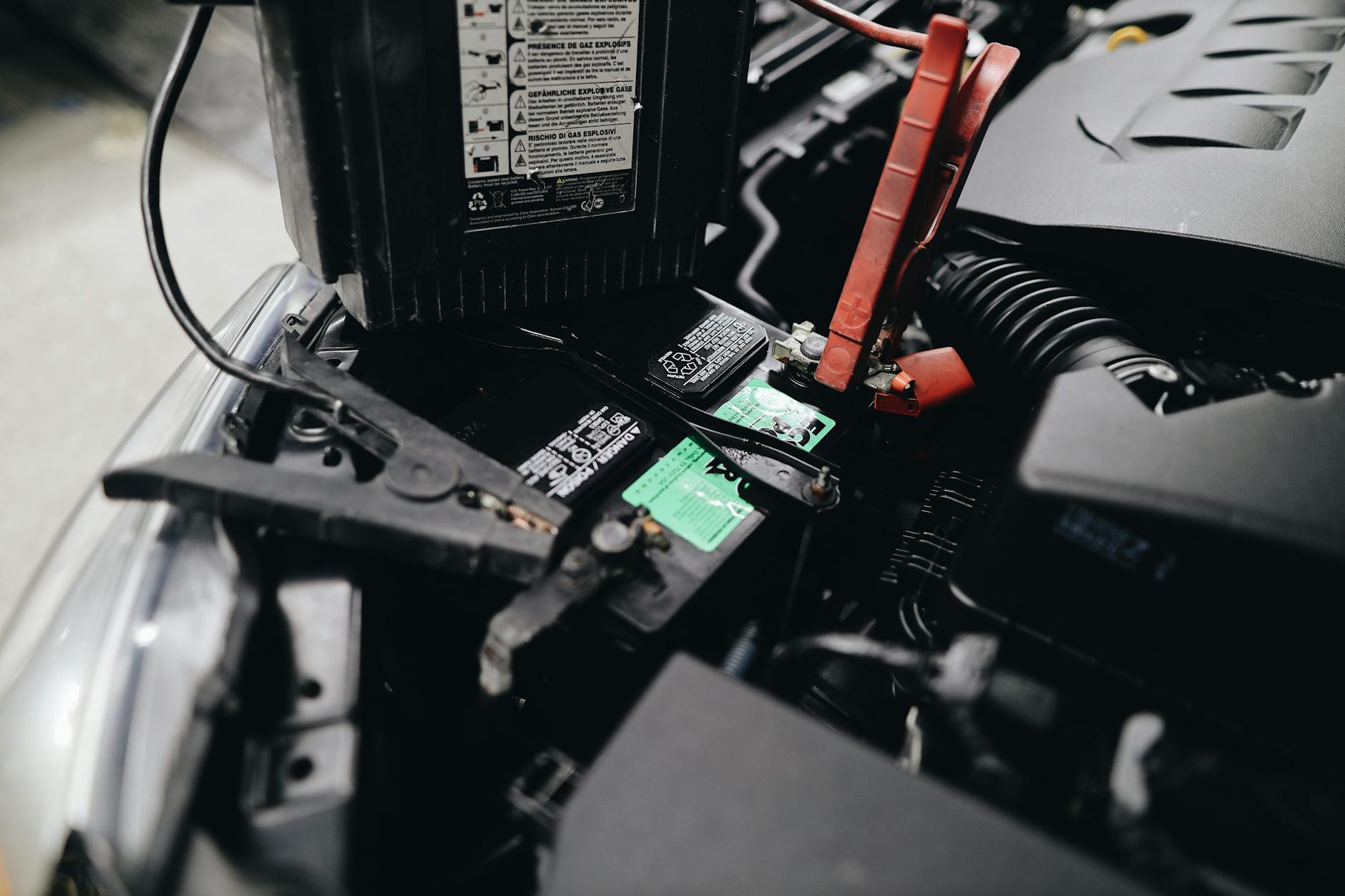
- High Amperage Availability: A 12-volt source with a high amperage capacity (e.g., a car battery) can deliver a significant current if the resistance is low enough. Even if the voltage is low, the current can still be sufficient to cause muscle contractions or burns.
- Prolonged Exposure: Even small currents can cause problems with prolonged exposure, especially if the current path affects the heart.
- Medical Conditions: Individuals with pre-existing heart conditions are more vulnerable to even mild electrical shocks.
Comparing Voltage Levels
| Voltage Range | Potential Hazard | Typical Applications |
|---|---|---|
| <30 Volts DC / 50 Volts AC | Generally considered safe; may cause tingling | Battery-powered devices, low-voltage lighting |
| 30-500 Volts DC / 50-1000 Volts AC | Potentially dangerous; can cause shocks, burns, muscle contractions | Appliances, power tools, residential wiring |
| >500 Volts DC / >1000 Volts AC | Extremely dangerous; can cause severe burns, cardiac arrest, death | High-voltage transmission lines, industrial equipment |
Safety Precautions When Working with 12-Volt Systems
Even though 12 volts is generally considered safer than higher voltages, it’s still important to take precautions:
- Keep Skin Dry: Always keep your hands dry when working with electrical circuits.
- Avoid Working Alone: Have someone nearby in case of an emergency.
- Use Insulated Tools: Use tools with insulated handles to prevent accidental contact.
- Disconnect Power: Disconnect the power source before working on any electrical circuit.
- Be Aware of Amperage: Understand the amperage capacity of the power source. A high-amperage source is more dangerous, even at low voltage.
Conclusion: Respect Electricity
The question “Can 12 volts hurt you?” isn’t a simple yes or no. While typically safe under normal conditions, the potential for harm exists, especially with compromised skin or high amperage sources. Respect electricity, take precautions, and always prioritize safety when working with any electrical system. Knowledge and caution are your best defenses against electrical hazards.
Frequently Asked Questions (FAQs)
Is it possible to get burned by 12 volts?
Yes, it is possible. While a direct shock from only 12 volts might not cause a burn under normal circumstances, a short circuit or other fault condition in a high-amperage 12-volt system can generate significant heat, leading to burns. This is especially true if the short circuit involves flammable materials.
Can a 12-volt car battery shock you?
Yes, a 12-volt car battery can shock you. While the voltage is low, a car battery has a high amperage capacity. If your skin is wet or you have a cut, even 12 volts can be enough to cause a noticeable shock or muscle contractions.
What is the safe voltage level to touch?
Generally, voltages below 30 volts DC or 50 volts AC are considered relatively safe to touch. However, as mentioned before, even these voltages can be dangerous under certain conditions, such as when skin resistance is low or the amperage is high.
Can 12 volts DC cause electrocution?
Electrocution, by definition, means death by electric shock. While highly unlikely, it is theoretically possible if conditions align to allow a sufficiently high current to pass through a vital organ, but this is extremely rare with 12 volts. High amperage and compromised skin are necessary conditions.
What happens if you touch a 12-volt wire with wet hands?
Touching a 12-volt wire with wet hands significantly increases the risk of shock. Water reduces skin resistance, allowing more current to flow through your body. This can result in a more noticeable and potentially painful shock than if your hands were dry.
How much current can a 12-volt battery deliver?
A typical car battery can deliver hundreds of amperes. The exact amount varies depending on the battery’s size, type, and condition. This high amperage capacity is why even a low-voltage battery can be dangerous in certain situations.
What is the difference between AC and DC voltage in terms of safety?
AC (alternating current) is generally considered more dangerous than DC (direct current) at the same voltage. AC at frequencies commonly used in household power (50-60 Hz) can interfere with the heart’s electrical signals, potentially causing fibrillation. DC, while still capable of causing shocks, is less likely to cause this specific type of heart disruption.
Can a 12-volt system ignite gasoline fumes?
Yes, a spark from a 12-volt system can ignite gasoline fumes. Gasoline fumes are highly flammable, and even a small spark can provide enough energy to start a fire or explosion. Always exercise extreme caution when working around gasoline and electrical systems.
What are the symptoms of a mild electric shock from 12 volts?
Symptoms of a mild electric shock from 12 volts might include a tingling sensation, muscle contractions, or a brief startle response. In most cases, these symptoms will be temporary and harmless. However, if you experience any unusual symptoms, it’s always best to consult a medical professional.
Is it safe to work on a 12-volt car electrical system with the battery connected?
It’s generally not recommended to work on a 12-volt car electrical system with the battery connected. Disconnecting the battery eliminates the risk of accidental shorts and electric shocks. Always disconnect the negative terminal first.
Can a child be hurt by 12 volts more easily than an adult?
Yes, children are generally more vulnerable to electrical shock than adults. Children have lower body weight and resistance, meaning that a given current will have a greater impact on their bodies. Therefore, any exposure to an electrical current, even from a 12-volt source, is potentially more dangerous for a child.
What should I do if someone is being shocked by a 12-volt source?
- Do not touch the person directly. You could become part of the circuit.
- Immediately disconnect the power source if possible.
- Use a non-conductive object (like a wooden broom handle or dry clothing) to separate the person from the electrical source.
- Call for emergency medical help immediately. Even if the person appears to be okay, it’s important to seek medical attention to rule out any internal damage.