

At What Age is a Goldfish an Adult?
Goldfish typically reach adulthood around one to two years of age, marked by sexual maturity and slowed growth. This period can vary based on breed, environment, and care.
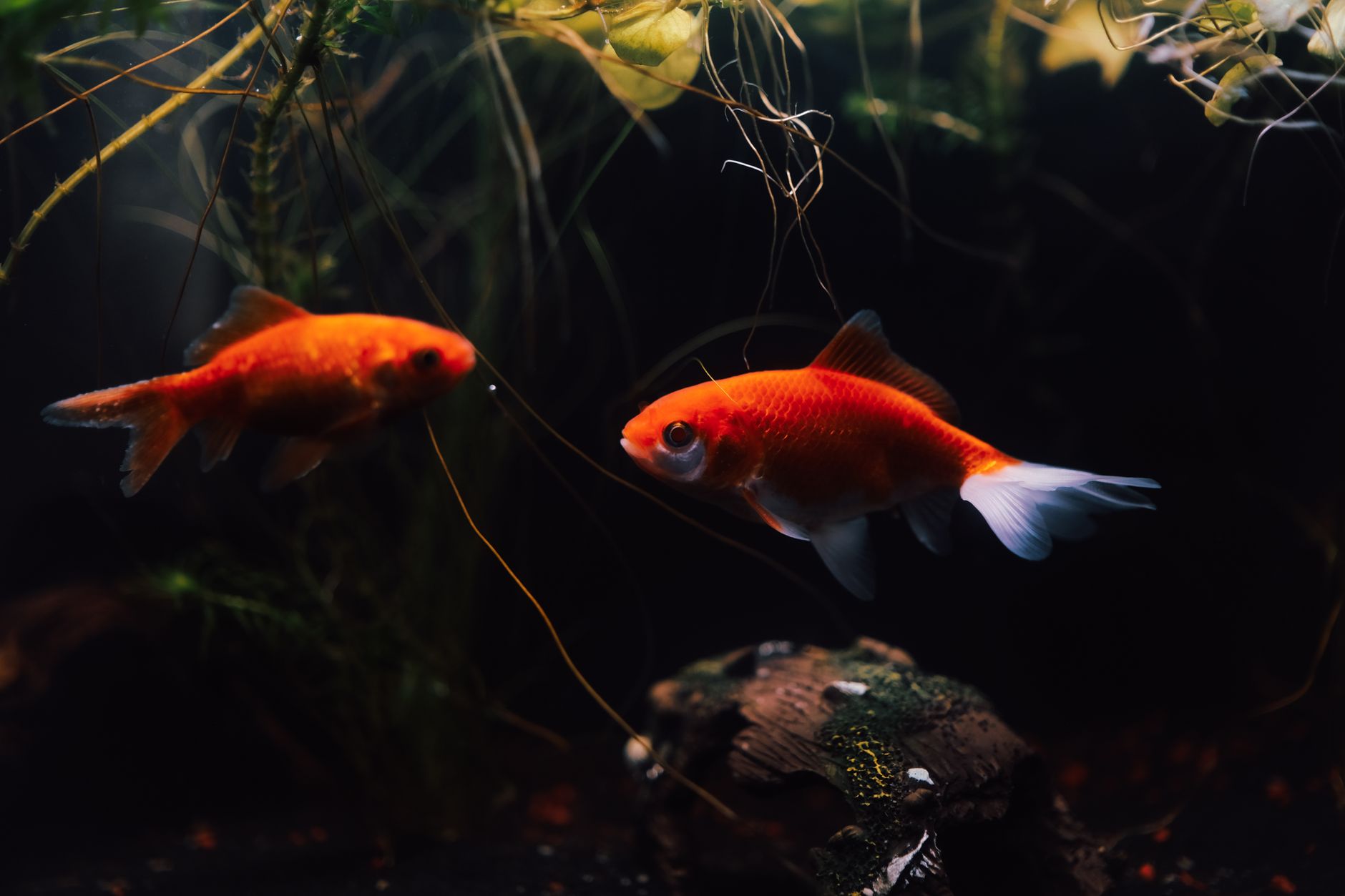
Goldfish, those shimmering jewels of the aquarium, are often seen as beginner-friendly pets. But just how much do we really know about their life cycle? A common question among aquarists, both novice and experienced, is: At what age is a goldfish an adult? The answer, while seemingly simple, is nuanced by several factors that contribute to the overall development and maturity of these captivating creatures. This article dives deep into the fascinating world of goldfish development, exploring the factors that influence their growth and answering all your burning questions about their journey to adulthood.
Goldfish Growth: A Lifespan Overview
The life cycle of a goldfish can be broadly divided into three phases: egg, fry, and adult.
- Egg: After fertilization, goldfish eggs hatch within a few days, depending on water temperature.
- Fry: Newly hatched fry are tiny and require specialized care, including live food and pristine water conditions. They grow rapidly, undergoing significant physical changes.
- Adult: Reaching adulthood signifies that the goldfish has achieved sexual maturity and its growth rate begins to slow considerably.
The transition from fry to adult isn’t abrupt. It’s a gradual process influenced by genetics, diet, water quality, and tank size. Recognizing the stages of this development is crucial for providing optimal care and understanding the needs of your goldfish.

What is the GREY African clawed frog?
What colours are fish most attracted to?
Can you put your finger in a trout's mouth?
Is methylene blue anti bacterial?
Factors Influencing Goldfish Maturity
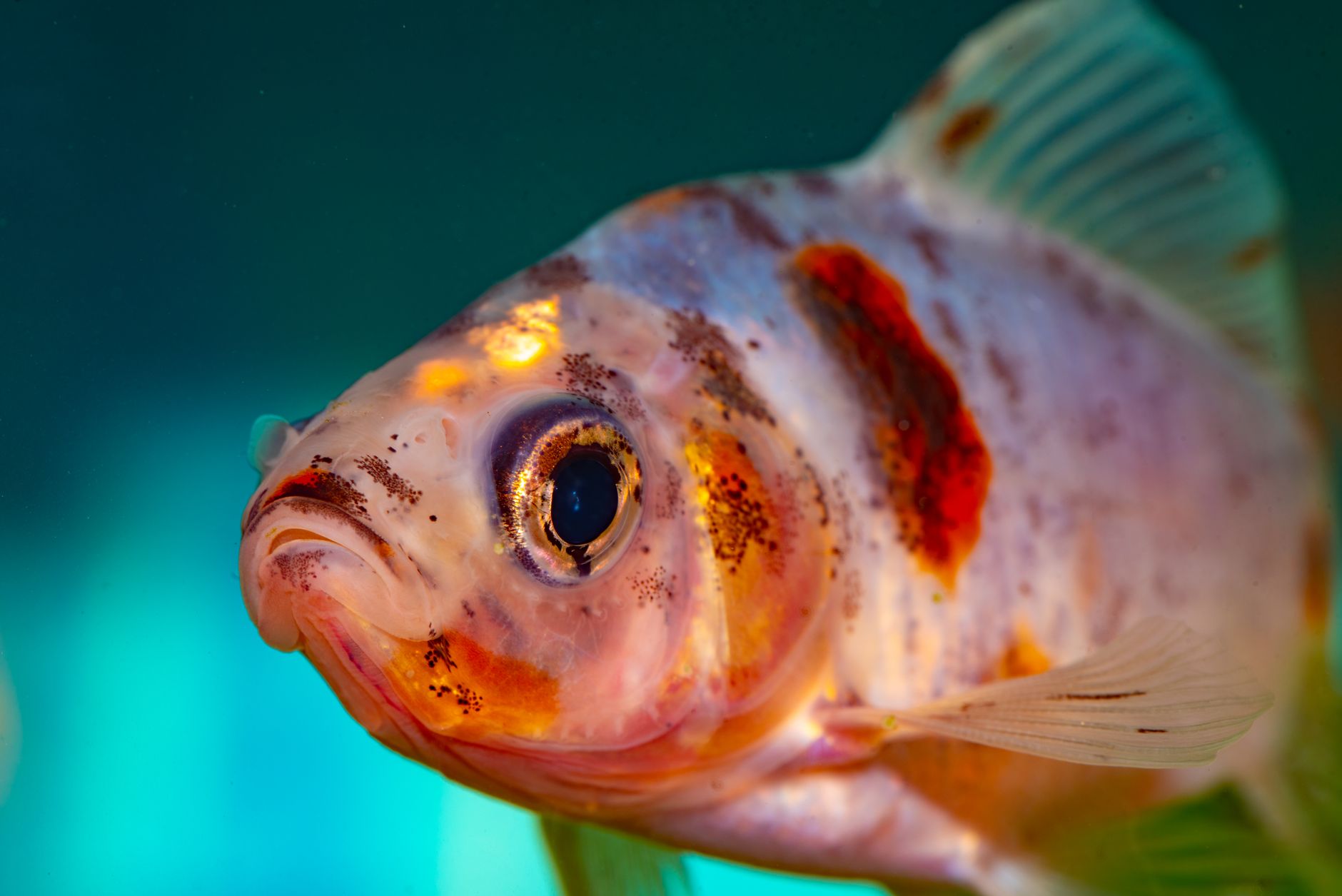
Several key factors play a significant role in determining when a goldfish reaches adulthood. Understanding these factors allows aquarists to create an environment conducive to healthy growth and development.
- Breed: Different goldfish breeds have varying growth rates and maximum sizes. For instance, common goldfish and comet goldfish, known for their elongated bodies, typically grow larger and may mature slightly later than fancy goldfish varieties such as orandas or fantails.
- Diet: A nutritious and balanced diet is essential for healthy growth. High-quality goldfish flakes or pellets, supplemented with occasional treats like bloodworms or brine shrimp, provide the necessary nutrients for proper development.
- Water Quality: Maintaining pristine water quality is paramount. Goldfish produce a significant amount of waste, which can quickly pollute their environment. Regular water changes, proper filtration, and adequate aeration are crucial for preventing ammonia and nitrate buildup, which can stunt growth and delay maturity.
- Tank Size: The size of the tank significantly impacts a goldfish’s growth potential. Overcrowding can lead to stunted growth, increased stress, and a weakened immune system. A general rule of thumb is to provide at least 20 gallons of water for the first goldfish and an additional 10 gallons for each subsequent goldfish.
- Temperature: Water temperature plays a role in the metabolism of goldfish. Warmer temperatures can accelerate growth, but also increase the risk of disease. A stable temperature within the recommended range (68-74°F or 20-23°C) is optimal.
Recognizing the Signs of Goldfish Adulthood
While it can be challenging to pinpoint the exact day a goldfish becomes an adult, there are several telltale signs that indicate it has reached maturity.
- Sexual Maturity: The most definitive sign is the ability to reproduce. In male goldfish, breeding tubercles (small white bumps) often appear on the gill covers and pectoral fins during the breeding season. Females may appear plumper with eggs.
- Slowing Growth: As a goldfish approaches adulthood, its growth rate typically slows down. While it will continue to grow throughout its life, the rapid growth spurts characteristic of the fry stage will diminish.
- Color Changes: Some goldfish varieties undergo color changes as they mature. For instance, young goldfish may start out silver or brown and develop their characteristic orange coloration as they grow older.
Common Mistakes Affecting Goldfish Growth
Avoiding common mistakes in goldfish care is essential for ensuring healthy growth and development.
- Overfeeding: Overfeeding is a common mistake that can lead to obesity, digestive problems, and poor water quality. Feed your goldfish only what they can consume in a few minutes, once or twice a day.
- Poor Water Quality: Neglecting water quality is detrimental to goldfish health. Regular water changes, proper filtration, and avoiding overcrowding are essential.
- Incompatible Tank Mates: Goldfish should not be housed with aggressive or fin-nipping fish, as this can cause stress and injury.
- Ignoring Disease Symptoms: Early detection and treatment of diseases are crucial for preventing serious health problems.
Goldfish Growth Chart (Illustrative Example)
| Age | Common Goldfish Size (Approximate) | Fancy Goldfish Size (Approximate) | Key Development Stage |
|---|---|---|---|
| 0-3 months | 1-2 inches | 0.5-1.5 inches | Rapid Fry Growth |
| 6 months | 3-4 inches | 2-3 inches | Visible Growth |
| 1 year | 5-6 inches | 3-4 inches | Approaching Maturity |
| 2 years | 6-8 inches | 4-5 inches | Adult – Sexual Maturity |
| 3+ years | Continues to grow slowly | Continues to grow slowly | Mature Adult |
This table is an illustrative example, and actual growth rates can vary.
Caring for Adult Goldfish
Once your goldfish reaches adulthood, its care requirements remain largely the same. Continue to provide a balanced diet, maintain pristine water quality, and monitor for any signs of illness. With proper care, adult goldfish can live for many years, bringing joy and beauty to your aquarium. The answer to At what age is a goldfish an adult? largely boils down to your commitment to their care.
Frequently Asked Questions (FAQs)
How can I tell if my goldfish is male or female?
Determining the sex of a goldfish can be challenging, especially when they are young. During the breeding season, male goldfish often develop breeding tubercles (small white bumps) on their gill covers and pectoral fins. Females may appear plumper with eggs. These are the most reliable indicators.
What is the lifespan of a goldfish?
With proper care, goldfish can live for a surprisingly long time. The average lifespan is 5-10 years, but some have been known to live for 20 years or more! Good genetics, high-quality water, and a balanced diet are key to longevity.
Can goldfish grow too big for their tank?
Yes, goldfish can definitely outgrow their tanks. If a goldfish is kept in a tank that is too small, it can become stunted, which means its growth is restricted, leading to health problems and a shortened lifespan. Provide adequate tank space!
What should I feed my adult goldfish?
A balanced diet is crucial for adult goldfish. High-quality goldfish flakes or pellets should form the basis of their diet. Supplement with occasional treats like bloodworms, brine shrimp, or blanched vegetables.
How often should I change the water in my goldfish tank?
The frequency of water changes depends on several factors, including the size of the tank, the number of goldfish, and the efficiency of the filtration system. A good rule of thumb is to change 25-50% of the water every week or two.
What are the signs of a sick goldfish?
Common signs of illness in goldfish include lethargy, loss of appetite, fin clamping, unusual swimming behavior, cloudy eyes, and visible parasites or lesions. Early detection is critical for successful treatment.
What is the ideal water temperature for goldfish?
Goldfish are coldwater fish and thrive in temperatures between 68-74°F (20-23°C). Avoid sudden temperature fluctuations.
Can I keep goldfish with other types of fish?
It’s generally best to keep goldfish with other goldfish. They should not be housed with tropical fish that require warmer temperatures. Avoid keeping them with aggressive or fin-nipping fish.
What is the best type of filter for a goldfish tank?
A filter is crucial for maintaining water quality. A good filter should provide mechanical, chemical, and biological filtration. Canister filters, hang-on-back filters, and sponge filters are all suitable options.
Do goldfish need a heater?
Goldfish do not generally need a heater, as they prefer cooler water temperatures. However, a heater may be necessary in climates where the water temperature drops below the recommended range. Avoid extreme temperature fluctuations.
Can goldfish recognize their owners?
While they may not recognize you in the same way a dog or cat does, goldfish are capable of recognizing patterns and can learn to associate certain people with feeding time. They can be trained to perform simple tricks!
What are the different types of goldfish?
There are numerous goldfish breeds, each with unique characteristics. Some popular varieties include common goldfish, comet goldfish, fantails, orandas, ranchus, and pearlscales. Each type may mature at slightly different rates. Knowing At what age is a goldfish an adult? allows better care for each variety.