

Are Whales Tetrapods? Exploring Their Evolutionary History
Are whales tetrapods? Yes, whales are indeed tetrapods, belonging to the group of four-limbed vertebrates, despite their aquatic lifestyle and modified limbs, due to their evolutionary lineage tracing back to land-dwelling ancestors.

Introduction: The Intriguing Case of Whale Evolution
The evolution of whales from land-dwelling mammals to the marine giants we know today is one of the most fascinating stories in evolutionary biology. Understanding how this transformation occurred requires delving into the genetic, anatomical, and paleontological evidence that reveals their tetrapod ancestry. This article will explore the scientific basis for classifying whales as tetrapods, examining the evidence that supports this classification, and addressing common misconceptions about whale evolution.

What colours are fish most attracted to?
Can you put your finger in a trout's mouth?
Is methylene blue anti bacterial?
Does aquarium salt raise pH in aquarium?
From Land to Sea: The Tetrapod Heritage
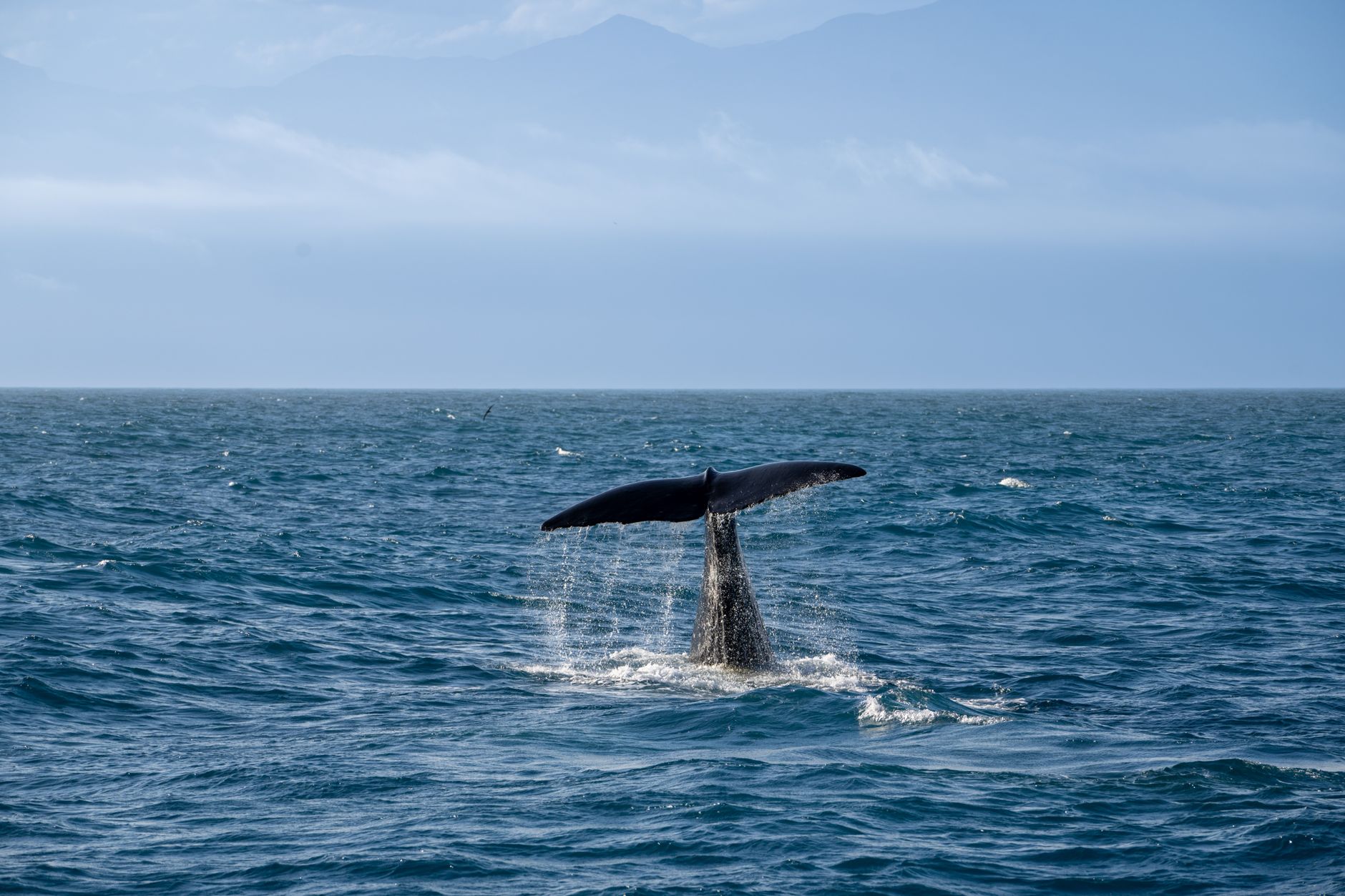
The term tetrapod literally means “four feet” and refers to vertebrates with four limbs. While whales lack hind limbs in their modern form, their evolutionary history clearly indicates they descended from tetrapod ancestors. This lineage is supported by numerous lines of evidence, including:
- Fossil Evidence: The fossil record reveals a series of transitional forms linking early whales to land-dwelling artiodactyls (even-toed ungulates like hippos, pigs, and deer).
- Anatomical Evidence: Vestigial structures, such as the presence of rudimentary pelvic bones in modern whales, provide clues to their terrestrial past.
- Embryological Evidence: Whale embryos exhibit hind limb buds during development, which are later reabsorbed, reflecting their tetrapod ancestry.
- Genetic Evidence: Comparative genomics confirms the close relationship between whales and artiodactyls.
Key Transitional Fossils: Tracing the Whale Lineage
The fossil record offers a remarkable glimpse into the whale’s transition from land to water. Key transitional fossils include:
- Pakicetus: An early whale ancestor that lived around 50 million years ago. While found in terrestrial environments, Pakicetus possessed ear structures adapted for underwater hearing.
- Ambulocetus: Known as the “walking whale,” Ambulocetus had large feet and a powerful tail, suggesting it was capable of both walking on land and swimming in water.
- Rodhocetus: This whale ancestor had shorter hind limbs and a more flexible spine, indicating a greater reliance on aquatic locomotion.
- Dorudon: A fully aquatic whale with vestigial hind limbs. Dorudon represents a key stage in the evolution of modern whales.
The table below summarizes these key fossils:
| Fossil | Age (Millions of Years Ago) | Key Features | Significance |
|---|---|---|---|
| Pakicetus | 50 | Terrestrial habitat, ear structures adapted for underwater hearing | Early whale ancestor, showing the transition towards aquatic life |
| Ambulocetus | 49 | Large feet, powerful tail, capable of walking and swimming | “Walking whale,” demonstrating the amphibian lifestyle of early whales |
| Rodhocetus | 47 | Shorter hind limbs, flexible spine, greater reliance on aquatic locomotion | Showing increased adaptation to aquatic life and reduced terrestrial capabilities |
| Dorudon | 37 | Fully aquatic, vestigial hind limbs | Fully aquatic whale, representing a key stage in the evolution of modern whales |
Vestigial Structures: Echoes of the Past
Vestigial structures are anatomical features that have lost their original function over evolutionary time. The presence of vestigial pelvic bones in modern whales is a clear indication of their tetrapod ancestry. While these bones no longer support hind limbs, they provide attachment points for muscles involved in reproduction and locomotion. The presence of tiny hind limb buds in whale embryos is also compelling evidence. These buds develop briefly before being reabsorbed, a remnant of their four-legged ancestors.
Genetic Confirmation: The Hippo Connection
Comparative genomics has revealed that whales are most closely related to hippopotamuses within the artiodactyl group. This close relationship is supported by a wealth of genetic data, including shared DNA sequences and gene arrangements. This genetic evidence strongly suggests that whales and hippos share a common ancestor that was itself a tetrapod.
Addressing Common Misconceptions: Why the Confusion?
The idea that whales are tetrapods can be confusing because they lack functional hind limbs. However, evolution is not a linear process. Instead, it is a process of adaptation and modification. Over millions of years, whale ancestors adapted to aquatic life, leading to the reduction or loss of hind limbs and the development of flippers for swimming. The absence of hind limbs does not negate their tetrapod ancestry. It simply reflects their evolutionary adaptation to a marine environment.
Frequently Asked Questions (FAQs)
What defines a tetrapod?
A tetrapod is a vertebrate animal that possesses four limbs or is descended from a four-limbed ancestor. This includes amphibians, reptiles, birds, and mammals, even those like snakes or whales that have lost or significantly modified their limbs.
How do we know whales evolved from land animals?
The primary evidence comes from the fossil record, which showcases a clear progression of species from land-dwelling mammals to fully aquatic whales, featuring transitional forms with intermediate characteristics.
Why do whales have vestigial pelvic bones?
Vestigial pelvic bones are remnants of the pelvic girdle that supported the hind limbs in their terrestrial ancestors. They no longer serve the same function but remain as evolutionary baggage.
Are all marine mammals tetrapods?
Yes, all marine mammals, including seals, sea lions, dolphins, and whales, are tetrapods, because they descended from four-limbed terrestrial ancestors.
How does embryology support the tetrapod status of whales?
Whale embryos develop hind limb buds during early development, which are later reabsorbed. This shows that the genetic information for hind limb development is still present, reflecting their ancestry.
What is the closest living relative of whales?
Genetically, the hippopotamus is the closest living relative of whales. This relationship is supported by both genetic and morphological data.
Did whales “walk” on land at some point?
Yes, the ancestors of modern whales, like Ambulocetus (“walking whale”), were capable of both walking on land and swimming in water, representing a crucial stage in their transition to aquatic life.
How did whales lose their hind limbs?
The loss of hind limbs occurred gradually over millions of years through a process of natural selection, where individuals with traits that favored aquatic locomotion were more likely to survive and reproduce. Genes responsible for hind limb development were gradually deactivated or modified.
What is the significance of the blowhole in whales?
The blowhole, or nostrils, on the top of a whale’s head allows it to breathe efficiently while remaining submerged. This adaptation is essential for their aquatic lifestyle.
Are there any whales with visible hind limbs today?
No, modern whales do not have visible, functional hind limbs. Their hind limbs have either been reduced to vestigial structures or completely lost over evolutionary time.
What is the difference between baleen whales and toothed whales in terms of evolution?
Both baleen and toothed whales share a common ancestor and evolved along different paths to adapt to different feeding strategies. The fundamental tetrapod ancestry is the same.
How does DNA evidence support the idea that whales are tetrapods?
DNA sequencing allows scientists to compare the genetic makeup of different species. The DNA evidence shows a clear evolutionary relationship between whales and other mammals, particularly hippos, confirming their tetrapod ancestry.