

Are Turkey Vultures Violent? Unveiling the Truth About These Misunderstood Birds
Turkey vultures are often misunderstood creatures. No, turkey vultures are generally not considered violent birds. Their scavenging nature prioritizes carrion over live prey, and their defenses are primarily non-aggressive.

Understanding Turkey Vultures: More Than Just Carrion Eaters
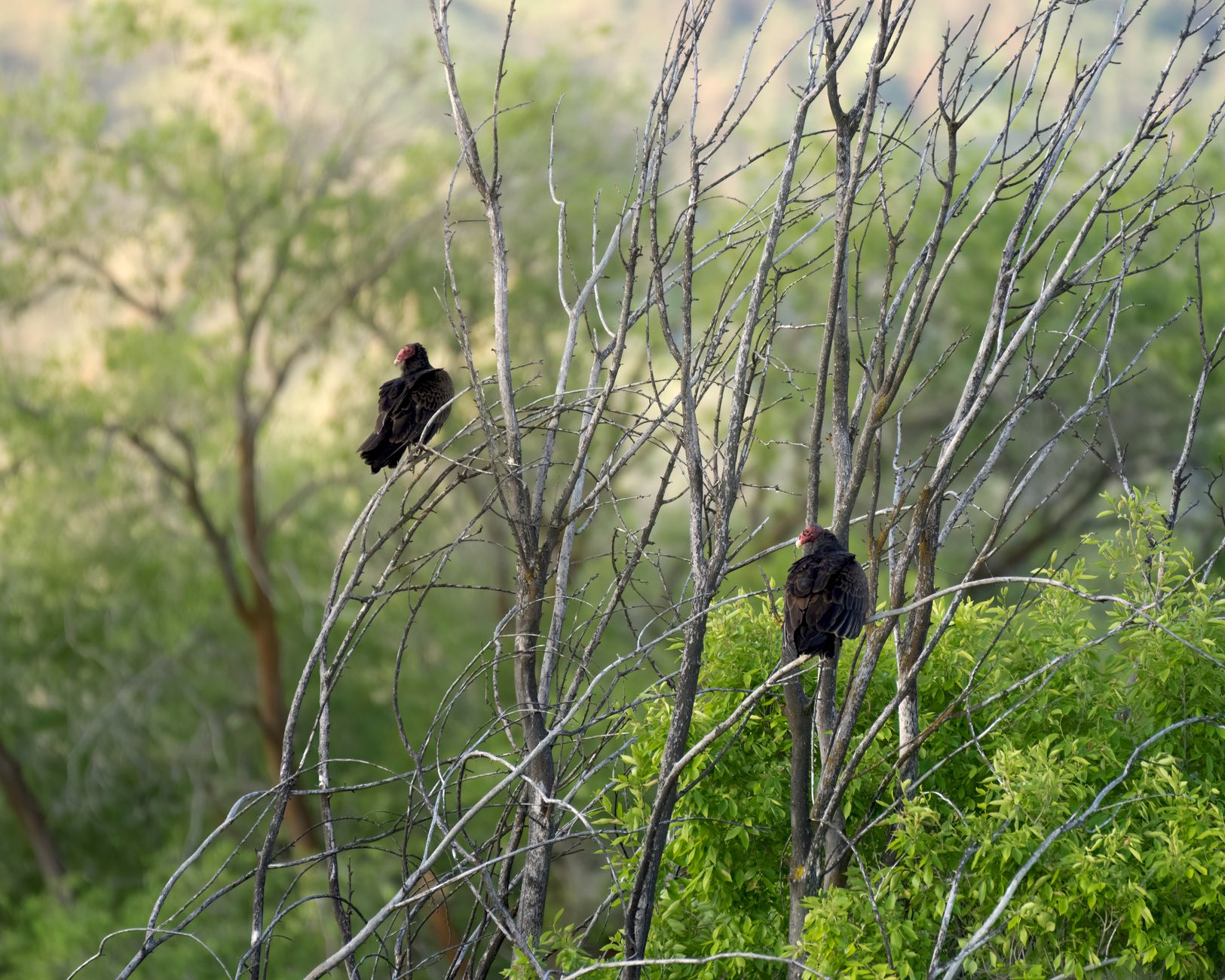
Turkey vultures, often seen soaring majestically above open landscapes, play a crucial role in our ecosystem. These birds are primarily scavengers, meaning they feed on dead animals (carrion). While their feeding habits might seem unpleasant to some, they are essential for preventing the spread of disease and maintaining environmental hygiene. To understand if are turkey vultures violent?, we need to delve into their behaviour and physical capabilities.
What colours are fish most attracted to?
Can you put your finger in a trout's mouth?
Is methylene blue anti bacterial?
Does aquarium salt raise pH in aquarium?
Turkey Vulture Characteristics and Capabilities

Turkey vultures are equipped with several key features that allow them to thrive as scavengers.
- Exceptional Sense of Smell: Unlike most birds, turkey vultures have a highly developed sense of smell, enabling them to detect carrion from significant distances. This is crucial for finding food sources that other animals may miss.
- Bald Head: Their featherless head helps keep them clean when feeding on carcasses. Feathers would easily become soiled and harbor bacteria, posing a hygiene risk.
- Weak Talons: Unlike birds of prey like hawks or eagles, turkey vultures possess relatively weak talons. This is because they do not need to capture or subdue live prey. Their feet are better suited for walking and perching.
- Vomiting as a Defense Mechanism: One of their most distinctive (and perhaps off-putting) defense mechanisms is the ability to projectile vomit partially digested carrion. This serves to deter potential predators or aggressors, both through the unpleasant smell and by lightening the vulture for quicker escape.
The Turkey Vulture’s Scavenging Lifestyle: Why Violence is Unnecessary
The scavenging lifestyle of turkey vultures inherently reduces the need for violence. Their primary food source is already dead, eliminating the need to hunt and kill. This has shaped their behaviour and physical attributes to prioritize efficiency in finding and consuming carrion. The question, are turkey vultures violent?, is largely answered by understanding their dietary habits.
Dispelling Myths and Misconceptions
Many misconceptions surround turkey vultures, often stemming from their association with death and decay. Some people fear they might attack pets or even humans. However, these fears are largely unfounded. While turkey vultures are opportunistic feeders, they rarely, if ever, attack living animals unless they are already severely injured or near death.
Examining Defensive Behaviors
While not violent in the traditional sense, turkey vultures do possess defensive mechanisms to protect themselves from potential threats.
- Vomiting: As mentioned earlier, this is a primary defense. The projectile vomit can travel up to 10 feet and is a highly effective deterrent.
- Hissing: Turkey vultures will often hiss when threatened or approached, a sound similar to that of a snake. This is a warning signal intended to discourage potential predators.
- Playing Dead: In extreme cases, turkey vultures may feign death to avoid danger. This involves lying motionless with their eyes closed, hoping that the threat will pass them by.
| Behavior | Purpose | Level of Aggression |
|---|---|---|
| Vomiting | Deter predators, lighten body for flight | Low |
| Hissing | Warning signal | Low |
| Playing Dead | Avoiding immediate danger | None |
Frequently Asked Questions (FAQs)
Are turkey vultures a threat to pets?
No, turkey vultures are generally not a threat to healthy pets. They primarily feed on carrion and are unlikely to attack a living animal unless it is already severely injured or dying. Small pets left unattended outside may be vulnerable, but attacks are exceptionally rare.
Do turkey vultures attack humans?
Attacks on humans are extremely rare. Turkey vultures are shy and avoid direct confrontation. There have been isolated incidents of vultures approaching human corpses or severely injured individuals, but these are exceptions, not the rule. The answer is definitively no to the question, are turkey vultures violent?
What attracts turkey vultures to my property?
The primary attractant is the presence of carrion. This could be roadkill, deceased livestock, or even a dead rodent. Eliminating these sources will help deter vultures from your property. They might also be attracted to suitable roosting sites, such as tall trees or buildings.
Are turkey vultures protected by law?
Yes, turkey vultures are protected under the Migratory Bird Treaty Act in the United States. It is illegal to harm, harass, or kill them without a permit.
What should I do if I find an injured turkey vulture?
Contact a local wildlife rehabilitation center or animal control for assistance. Do not attempt to handle the bird yourself, as it may be injured or carry diseases.
Do turkey vultures carry diseases?
While turkey vultures feed on carrion, they are remarkably resistant to many diseases. Their highly acidic stomach acid effectively neutralizes many pathogens. However, they can still carry some bacteria and parasites, so it’s best to avoid direct contact.
Are turkey vultures related to eagles or hawks?
No, turkey vultures belong to a different family than eagles and hawks. They are more closely related to storks and New World vultures. Their scavenging lifestyle led to convergent evolution with birds of prey.
Do turkey vultures migrate?
Yes, turkey vultures are migratory birds. Populations in the northern parts of their range migrate south for the winter, while those in warmer regions may remain year-round residents.
How long do turkey vultures live?
Turkey vultures can live relatively long lives, often reaching 20 years or more in the wild.
What is the ecological role of turkey vultures?
Turkey vultures play a crucial role in maintaining environmental hygiene by removing carrion from the ecosystem. They help prevent the spread of disease and reduce the accumulation of decaying matter.
How can I deter turkey vultures from roosting on my property?
Visual deterrents such as scarecrows, reflective tape, or spinning objects can be effective. Regularly disturbing their roosting sites may also discourage them from returning.
What should I do if a turkey vulture is blocking my driveway?
Remain calm and approach the bird slowly. Typically, the vulture will fly away. Avoid making sudden movements or loud noises, as this may startle it. The question are turkey vultures violent? Is further answered by their likely reaction being fleeing in the face of perceived danger.