

Are Tortoises Banned in the UK? Unraveling the Truth
No, tortoises are not banned in the UK. However, strict regulations govern their import, ownership, and sale to protect these vulnerable reptiles and prevent the spread of disease.

A Historical Overview of Tortoise Ownership in the UK
The allure of keeping tortoises as pets in the UK dates back centuries, with their slow, deliberate movements and relatively low-maintenance care appealing to many. However, the popularity of tortoises, combined with unsustainable harvesting practices in their native habitats, led to significant population declines for many species. This prompted legislative action to protect tortoises both internationally and within the UK.

What colours are fish most attracted to?
Can you put your finger in a trout's mouth?
Is methylene blue anti bacterial?
Does aquarium salt raise pH in aquarium?
The Wildlife and Countryside Act 1981 and CITES
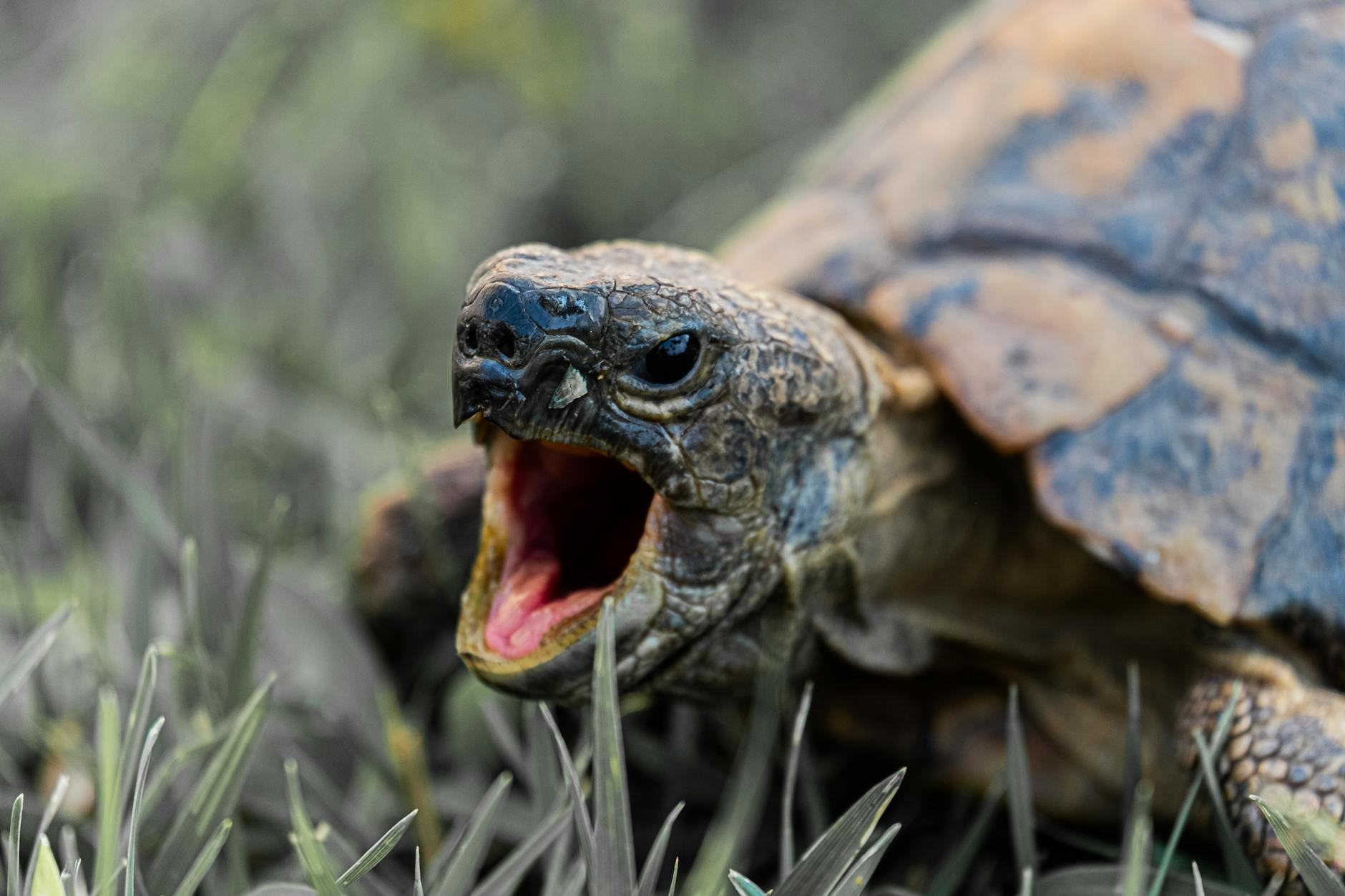
Key legislation protecting tortoises in the UK includes the Wildlife and Countryside Act 1981 and the implementation of the Convention on International Trade in Endangered Species of Wild Fauna and Flora (CITES). CITES aims to ensure that international trade in specimens of wild animals and plants does not threaten their survival. Tortoises are often listed under CITES appendices, meaning their trade is regulated to varying degrees.
Current Regulations Regarding Tortoise Ownership
While Are tortoises banned in UK? the answer is no, specific regulations are in place to ensure responsible ownership and conservation:
- CITES Permits: For certain tortoise species, particularly those listed under Appendix I of CITES, import, export, and even internal trade may require specific permits.
- Animal Welfare Act 2006: This Act places a duty of care on owners to ensure their animals’ needs are met, including providing appropriate housing, diet, and veterinary care.
- Pet Passport Scheme: While primarily designed for cats, dogs, and ferrets, the Pet Passport Scheme can sometimes be relevant when transporting tortoises internationally, particularly to and from EU countries. It’s essential to check the latest regulations.
Import and Export Considerations
Importing tortoises into the UK is a complex process, requiring adherence to strict veterinary health checks and CITES regulations. Similarly, exporting tortoises also demands careful planning and compliance with relevant legislation in both the UK and the destination country. Failure to comply with these regulations can result in hefty fines, confiscation of the animal, and even prosecution.
Common Misconceptions About Tortoise Ownership
Many misconceptions surround tortoise ownership, which can lead to improper care and health problems.
- Myth: Tortoises are low-maintenance pets. In reality, tortoises require specific environmental conditions, dietary requirements, and veterinary attention to thrive.
- Myth: Tortoises can hibernate anywhere. Improper hibernation can be fatal. Tortoises need a carefully controlled environment to safely hibernate.
- Myth: All tortoises eat lettuce. Lettuce provides minimal nutritional value. Tortoises require a varied diet of weeds, flowers, and specific tortoise food.
The Importance of Responsible Breeding and Purchasing
To protect wild tortoise populations, responsible breeding and purchasing are crucial. Avoid purchasing tortoises from unreliable sources or those that cannot provide proper documentation of their origin. Consider adopting a tortoise from a reputable rescue organization rather than purchasing a new one.
Protecting Tortoises and Their Habitats
Beyond individual ownership, broader conservation efforts are essential to protect tortoises and their natural habitats. Supporting organizations dedicated to tortoise conservation and advocating for sustainable land management practices can make a significant difference. Are tortoises banned in UK? is not the only question; a better question is how to protect tortoises in the wild.
What happens if you fail to comply with the legislation
Failure to comply with UK legislation and CITES regulations can result in fines, confiscation of the animal, and criminal prosecution.
| Offense | Potential Consequences |
|---|---|
| Importing a tortoise without a permit | Confiscation of the tortoise, fine, criminal prosecution |
| Selling a tortoise without proper documentation | Fine, potential jail sentence, damage to reputation |
| Neglecting a tortoise’s welfare | Fine, seizure of the animal, ban from owning animals in the future |
Expert Opinion from a Herpetologist
Dr. Evelyn Reed, a leading herpetologist specializing in tortoise conservation, emphasizes the importance of responsible ownership. “While are tortoises banned in UK? is a common question, the focus should be on understanding the complex needs of these animals and ensuring their well-being. Proper research, careful planning, and a commitment to providing the right environment are essential for successful tortoise ownership.”
Conclusion: Responsible Tortoise Ownership in the UK
While tortoises are not banned in the UK, responsible ownership requires understanding and complying with existing regulations. By prioritizing the well-being of these animals and supporting conservation efforts, we can ensure their survival for generations to come.
Frequently Asked Questions (FAQs)
Are all tortoise species regulated under CITES?
No, not all tortoise species are regulated under CITES, but many are. The level of regulation depends on the conservation status of the species and whether it is listed under Appendix I or Appendix II of CITES. It is crucial to check the specific regulations for the species you are interested in.
What kind of enclosure does a tortoise need?
Tortoises require spacious enclosures that mimic their natural habitat. This includes providing both indoor and outdoor space, with appropriate temperature gradients, UVB lighting, and suitable substrates for digging and burrowing. The specific requirements vary depending on the species.
What do tortoises eat in the UK?
A tortoise’s diet should consist primarily of weeds, flowers, and specific tortoise food pellets. Avoid feeding them lettuce, fruit, or other foods high in sugar, as these can be detrimental to their health.
How do I know if my tortoise is healthy?
A healthy tortoise will be active, alert, and have a smooth shell. Signs of illness include lethargy, loss of appetite, runny nose, and difficulty breathing. If you suspect your tortoise is ill, consult a qualified reptile veterinarian immediately.
How often do tortoises need veterinary care?
Tortoises should have a health check with a reptile veterinarian at least once a year. Regular check-ups can help identify and address any potential health problems early on.
What is the best way to hibernate a tortoise?
Tortoises require a carefully controlled environment for safe hibernation. This involves gradually reducing the temperature and providing a suitable hibernation box with appropriate bedding. Improper hibernation can be fatal.
Can I take my tortoise for walks in public parks?
While it may be tempting to take your tortoise for walks, it’s generally not recommended. Public parks can expose tortoises to disease, parasites, and other hazards. It’s best to keep them in a secure and controlled environment.
Where can I find a reputable tortoise breeder or rescue organization?
Reputable tortoise breeders and rescue organizations prioritize the welfare of the animals. Look for breeders who can provide proper documentation and health records for their tortoises. Rescue organizations often have tortoises available for adoption.
What should I do if I find an abandoned tortoise?
If you find an abandoned tortoise, contact a local animal rescue organization or reptile veterinarian for advice. Do not attempt to care for the tortoise yourself without proper guidance, as you could unintentionally harm it.
Are tortoises susceptible to diseases?
Yes, tortoises are susceptible to various diseases, including respiratory infections, shell rot, and parasite infestations. Proper hygiene, a healthy diet, and regular veterinary care can help prevent these problems.
How long do tortoises live?
Tortoises can live for many decades, with some species living well over 100 years. Owning a tortoise is a long-term commitment, so be prepared to provide care for the animal for its entire lifespan.
Is it legal to sell tortoises bred in the UK?
It is legal to sell tortoises bred in the UK, provided that you comply with all relevant regulations, including CITES requirements if applicable, and can prove the tortoise was legally acquired and bred. You must be able to prove the tortoise’s provenance.