

Are Tigers Going Extinct in 2023? A Closer Look at Conservation Efforts
While tigers are not yet extinct, they remain critically endangered, facing ongoing threats; however, increased conservation efforts throughout 2023 offer a glimmer of hope, showing that extinction is not inevitable.
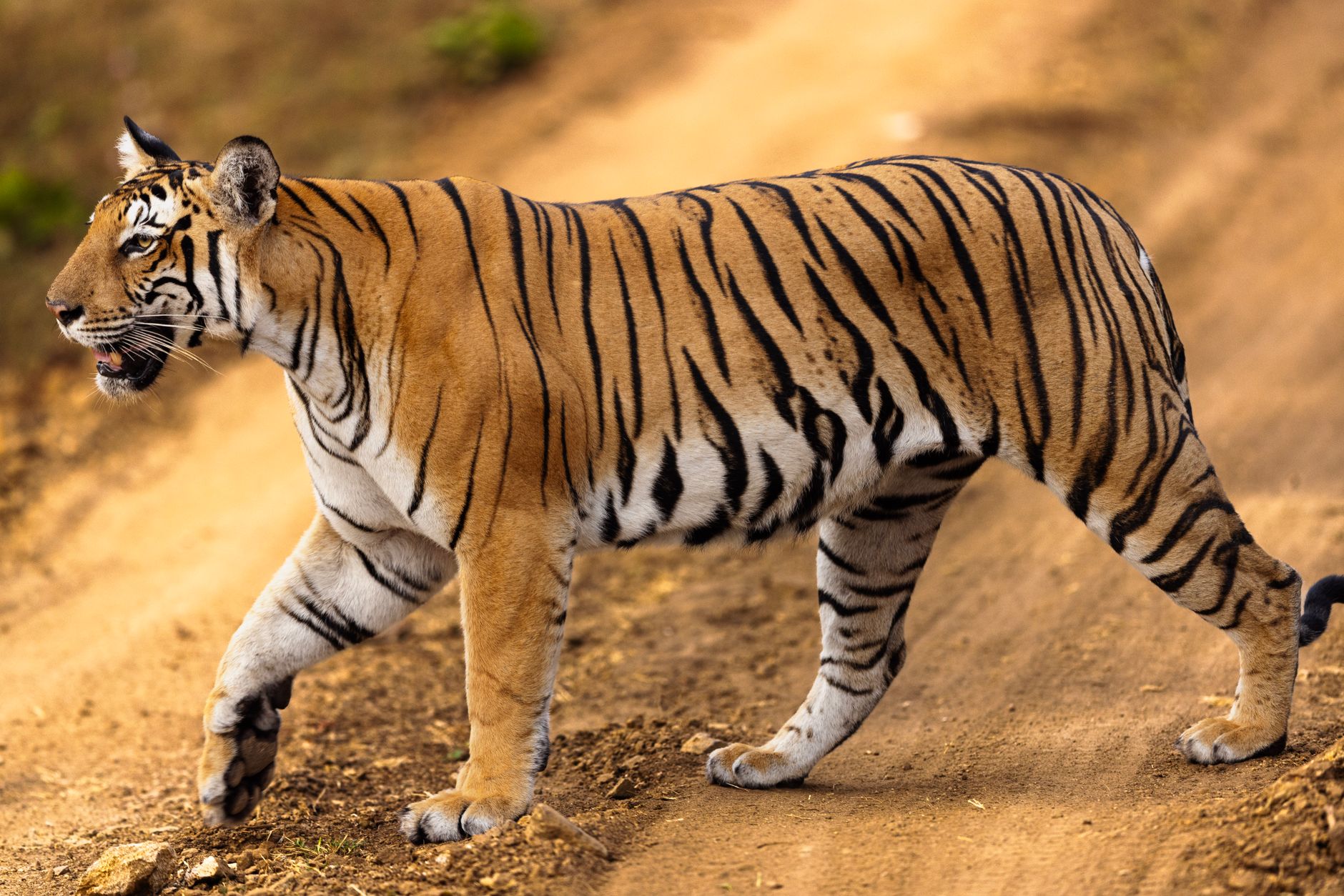
Introduction: A Majestic Species in Peril
Tigers, the apex predators of Asian jungles, hold a significant place in our planet’s biodiversity and cultural heritage. Their magnificent presence is, however, tragically threatened. For decades, tigers have faced relentless pressure from habitat loss, poaching, and human-wildlife conflict. Understanding the current status of these animals and the conservation strategies in place is crucial to ensuring their survival. The question, “Are tigers going extinct 2023?,” is not just a hypothetical inquiry; it’s a call to action.

What colours are fish most attracted to?
Can you put your finger in a trout's mouth?
Is methylene blue anti bacterial?
Does aquarium salt raise pH in aquarium?
The Dire State of Tiger Populations: A Historical Perspective

The global tiger population has plummeted drastically over the past century. Once roaming across a vast range stretching from Turkey to Russia and Indonesia, tigers are now confined to fragmented habitats in just a handful of countries. Deforestation for agriculture, logging, and infrastructure development has significantly shrunk their territory, leading to increased competition for resources and heightened vulnerability to poaching.
The Primary Threats to Tiger Survival
Several factors contribute to the endangered status of tigers:
- Habitat Loss: Deforestation and fragmentation of habitat severly limit tiger territories.
- Poaching: Illegal hunting for traditional medicine and the skin trade continues to decimate tiger populations.
- Human-Wildlife Conflict: As tiger habitats shrink, encounters with humans increase, leading to retaliatory killings and other negative interactions.
- Prey Depletion: Overhunting of tiger prey, such as deer and wild pigs, leaves tigers with insufficient food sources.
- Climate Change: Shifting weather patterns and rising sea levels are impacting tiger habitats and prey availability.
Conservation Efforts: A Beacon of Hope
Despite the grim situation, significant conservation efforts are underway to protect tigers. These initiatives are proving effective in certain regions, demonstrating that tiger populations can be recovered with concerted action.
- Protected Areas: Establishing and managing national parks and wildlife reserves to safeguard tiger habitats.
- Anti-Poaching Patrols: Deploying rangers to monitor tiger habitats and deter poachers.
- Community Engagement: Working with local communities to promote coexistence and reduce human-wildlife conflict.
- Translocation Programs: Moving tigers from areas with high populations to areas with low populations to boost genetic diversity and expand their range.
- Combating Illegal Trade: Strengthening law enforcement to combat the illegal trade in tiger parts.
Success Stories and Positive Trends in 2023
While the overarching question remains “Are tigers going extinct 2023?“, there have been pockets of success:
- India: Tiger populations in India have been steadily increasing, thanks to robust conservation efforts and dedicated funding.
- Nepal: Nepal has also seen significant growth in its tiger population, attributed to effective anti-poaching measures and habitat management.
- Russia: Siberian tiger populations have stabilized, indicating that conservation efforts in the Russian Far East are yielding positive results.
These success stories highlight the potential for tiger recovery when effective conservation strategies are implemented and sustained.
Challenges and Future Directions
Despite the positive developments, challenges remain. Addressing the root causes of tiger endangerment, such as poverty, corruption, and lack of political will, is crucial for long-term success. Future conservation efforts must focus on:
- Strengthening international cooperation to combat poaching and illegal trade.
- Expanding protected areas and improving habitat connectivity.
- Empowering local communities to become active participants in tiger conservation.
- Addressing climate change and its impact on tiger habitats.
- Investing in research and monitoring to better understand tiger populations and their needs.
The Role of Technology in Tiger Conservation
Cutting-edge technology is playing an increasingly vital role in tiger conservation. Drones are used for habitat monitoring and anti-poaching patrols. Camera traps provide valuable data on tiger populations and their behavior. Satellite imagery helps track deforestation and habitat loss. Furthermore, genetic analysis is used to monitor tiger populations, aiding in maintaining genetic diversity, and fighting illegal trafficking.
The Economic Benefits of Tiger Conservation
Protecting tigers is not just an ecological imperative; it also has significant economic benefits. Tiger reserves attract tourists, generating revenue for local communities and supporting sustainable development. Tigers play a vital role in maintaining the health of ecosystems, which provide essential services such as clean water, pollination, and carbon sequestration. These services contribute to the overall well-being of human societies.
Citizen Science and Community Involvement
The long-term sustainability of tiger conservation efforts relies on active participation from local communities and citizens alike. Citizen science initiatives, such as monitoring tiger populations and reporting poaching incidents, are crucial. Local communities who directly benefit from conservation efforts are also more likely to support these actions in the long term.
The Future of Tigers: A Call to Action
The answer to “Are tigers going extinct 2023?” depends on the actions we take today. While the threats are real and the challenges are significant, the success stories from India, Nepal, and Russia demonstrate that tiger populations can recover with concerted effort. By strengthening conservation efforts, combating poaching, and empowering local communities, we can ensure that future generations will have the opportunity to witness the majestic presence of these magnificent creatures.
Frequently Asked Questions (FAQs)
What is the current global tiger population?
The current global tiger population is estimated to be around 3,900 in the wild. This represents a significant increase from the historic lows, but it’s still far below the estimated 100,000 tigers that roamed the world a century ago. This increase is largely attributed to increased conservation efforts.
Which countries have the largest tiger populations?
India has the largest tiger population, followed by Russia, Nepal, Bangladesh, and Bhutan. These countries have implemented a variety of conservation strategies that have helped to stabilize and increase their tiger populations.
What is the “Tx2” goal, and has it been achieved?
The Tx2 goal, launched in 2010, aimed to double the global tiger population by 2022. While the goal was not fully achieved globally, significant progress has been made in several countries, proving that tiger populations can be recovered with concerted effort. The Tx2 goal, although not fully reached, served as a critical catalyst for conservation action.
What are the primary reasons for tiger poaching?
Tigers are poached primarily for their bones, skins, and other body parts, which are used in traditional medicine and sold on the black market. The demand for these products is driven by cultural beliefs and perceived medicinal properties, particularly in some parts of Asia.
How does habitat loss impact tiger populations?
Habitat loss, caused by deforestation and fragmentation, reduces the availability of prey and increases competition for resources, leading to smaller and more isolated tiger populations. Fragmented habitats also make tigers more vulnerable to poaching and human-wildlife conflict.
What role do zoos and captive breeding programs play in tiger conservation?
Zoos and captive breeding programs play a limited role in tiger conservation. While they can help maintain genetic diversity and educate the public, they are not a substitute for protecting wild tiger populations and their habitats. Releasing captive-bred tigers into the wild is complex and often unsuccessful.
How can local communities benefit from tiger conservation?
Local communities can benefit from tiger conservation through ecotourism, sustainable livelihoods, and access to resources. When communities are actively involved in conservation efforts and benefit directly from them, they are more likely to support these initiatives in the long term.
What is the role of technology in combating tiger poaching?
Technology plays a crucial role in combating tiger poaching. Drones and camera traps are used to monitor tiger populations and detect poachers. GPS tracking helps track tiger movements and identify poaching hotspots. And satellite imagery can be used to monitor habitat loss and deforestation.
How can I contribute to tiger conservation efforts?
Individuals can contribute to tiger conservation efforts by supporting conservation organizations, raising awareness, and making sustainable choices. Donating to reputable organizations that work to protect tigers is a great start. You can also support companies that are committed to sustainable practices.
What is the biggest challenge facing tiger conservation today?
The biggest challenge facing tiger conservation today is balancing the needs of humans and tigers. As human populations grow and demand for resources increases, it becomes increasingly difficult to protect tiger habitats and prevent human-wildlife conflict.
What is the significance of the Year of the Tiger in Chinese culture?
The Year of the Tiger, occurring every 12 years in the Chinese zodiac, symbolizes power, courage, and good fortune. It can serve as an opportunity to raise awareness about tiger conservation and garner support for protection efforts.
What is the long-term prognosis for tiger survival?
The long-term prognosis for tiger survival depends on sustained conservation efforts and addressing the root causes of their endangerment. While the threats remain real, the success stories from certain regions demonstrate that tiger populations can recover with concerted action. Answering “Are tigers going extinct 2023?” requires sustained global commitment and decisive action.