
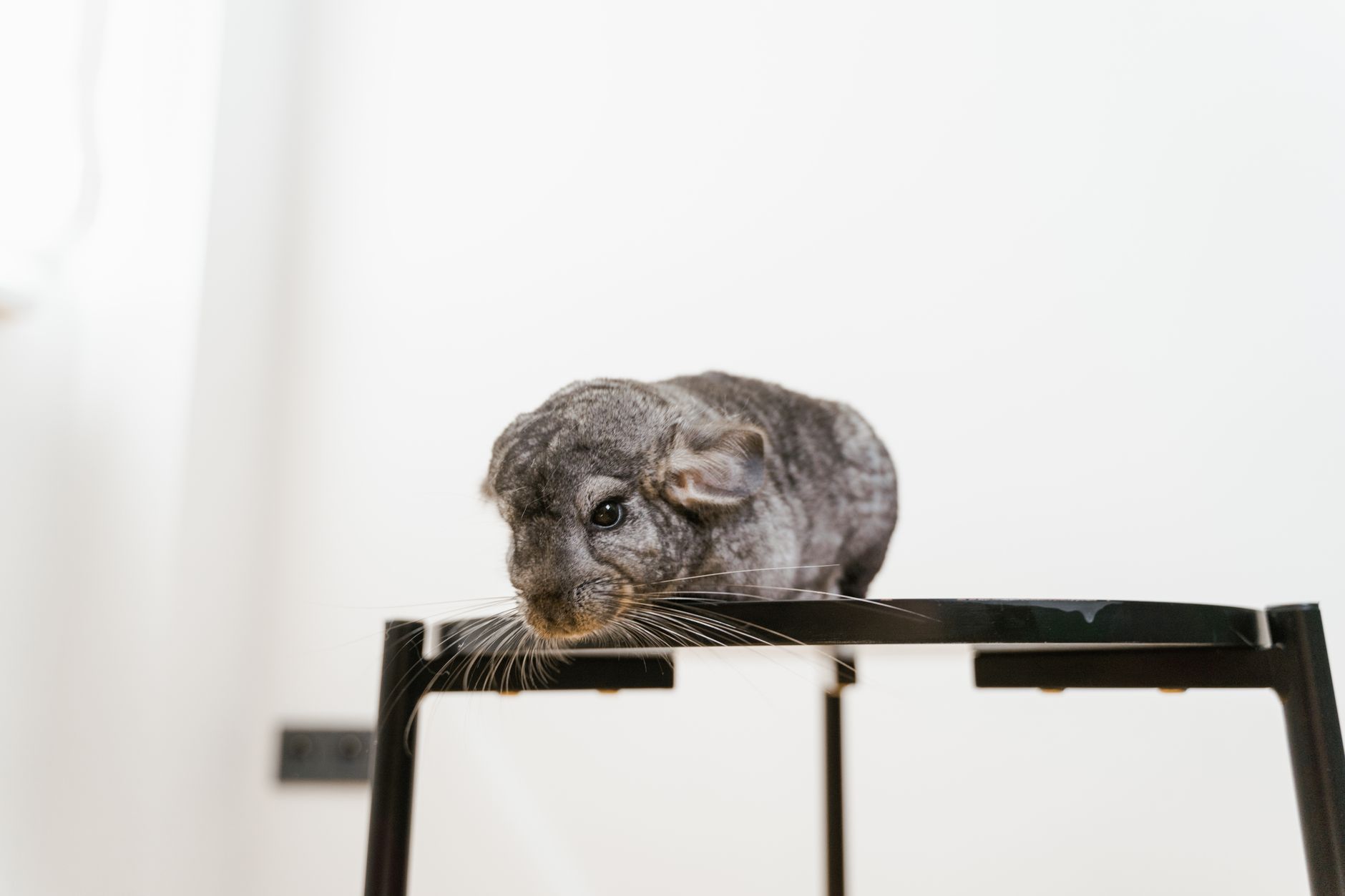
Are There Wild Chinchillas? Exploring the Realities of Chinchilla lanigera in Their Native Habitat
Are there wild chinchillas? The unfortunate answer is that wild chinchilla populations are critically endangered, clinging to a precarious existence in the harsh Andes Mountains, and are incredibly rare to encounter.
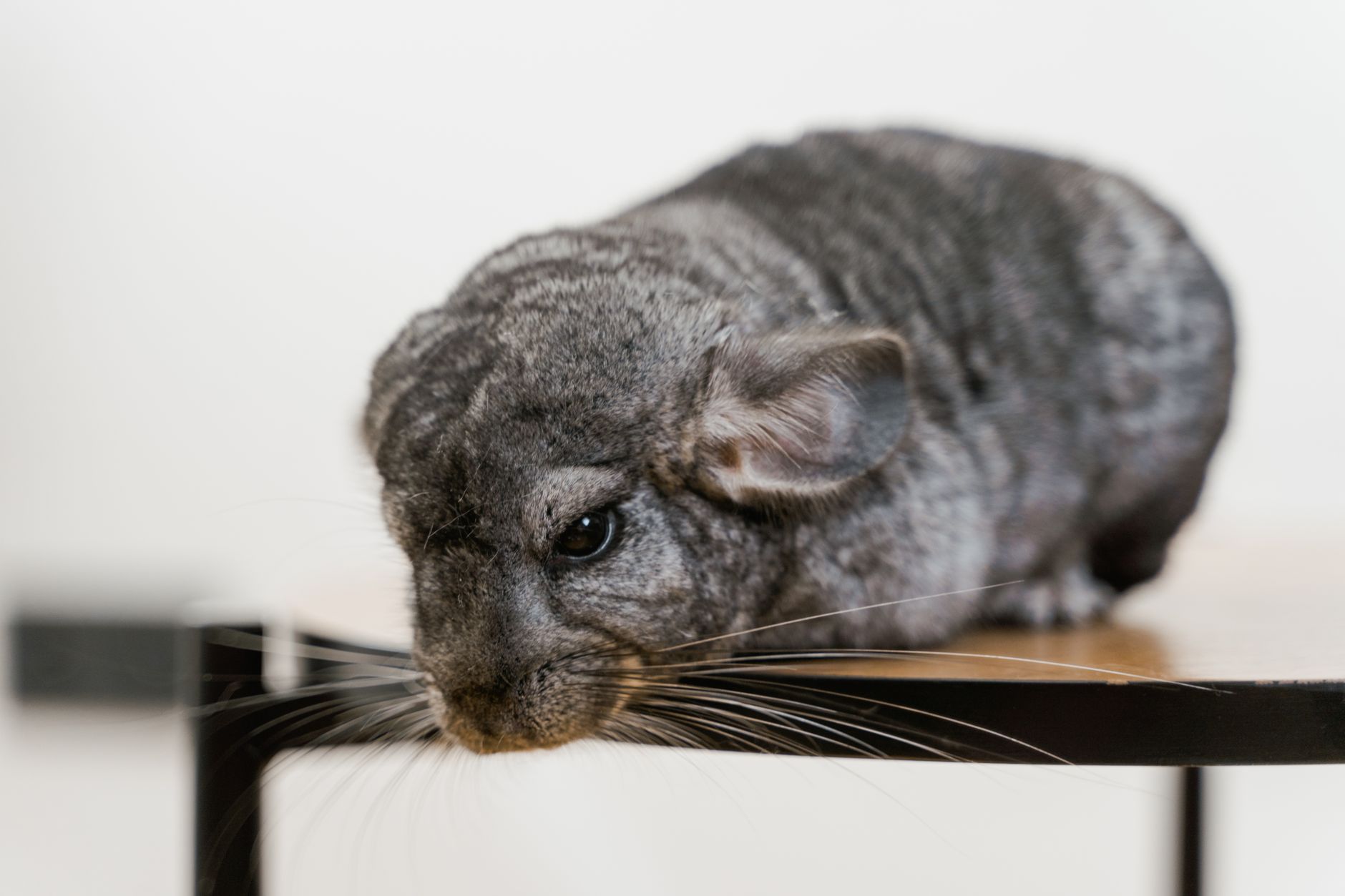
A Glimpse into the Chinchilla’s Natural World
The allure of the Chinchilla lanigera, with its luxuriously soft fur and endearing appearance, often sparks curiosity about its natural habitat. However, understanding their current predicament requires acknowledging the historical forces that have shaped their existence. The sad truth is Are there wild chinchillas? used to be a much easier question to answer.

What colours are fish most attracted to?
Can you put your finger in a trout's mouth?
Is methylene blue anti bacterial?
Does aquarium salt raise pH in aquarium?
The Plight of Chinchilla lanigera: A History of Exploitation

The primary threat to wild chinchillas has been, and continues to be, overhunting for their prized fur. Demand surged centuries ago, driven by the fashion industry’s desire for their dense, silky coats. This insatiable demand led to a dramatic decline in their numbers, pushing them to the brink of extinction.
- Historical Overhunting: Unregulated hunting decimated chinchilla populations.
- Habitat Loss: Mining activities and agricultural expansion further shrunk their already limited range.
- Slow Reproduction Rate: Chinchillas have a relatively slow reproductive rate, making it difficult for populations to recover.
Where Do Wild Chinchillas Still Exist?
The remnants of wild chinchilla populations are confined to specific, isolated pockets within the Andes Mountains of northern Chile. These areas are typically characterized by:
- Arid and Rocky Terrain: Chinchillas prefer rocky slopes and crevices for shelter.
- High Altitudes: They are adapted to survive in harsh, high-altitude environments.
- Limited Vegetation: The vegetation is sparse, consisting mainly of shrubs and cacti.
Finding an Are there wild chinchillas? is a very difficult task, and not an experience to be taken lightly. These are critically endangered animals, and finding them is like finding a needle in a very large haystack.
Conservation Efforts: A Ray of Hope?
Despite the dire situation, conservation organizations and governments are actively working to protect wild chinchillas. These efforts include:
- Establishing Protected Areas: Creating reserves to safeguard their remaining habitat.
- Anti-Poaching Patrols: Implementing measures to prevent illegal hunting.
- Public Awareness Campaigns: Educating local communities and the public about the importance of chinchilla conservation.
While progress is slow and challenges remain, these initiatives offer a glimmer of hope for the long-term survival of wild chinchillas. However, they remain critically endangered. Are there wild chinchillas? Yes, but precious few.
The Ethical Dilemma of Chinchilla Ownership
It’s important to recognize the link between the demand for chinchilla fur and the threat to wild populations. While most chinchillas kept as pets are domesticated and sourced from reputable breeders, ethical considerations remain. Supporting sustainable practices and avoiding the purchase of chinchilla fur products can help reduce the pressure on wild populations. The existence of domestic animals does not mean that Are there wild chinchillas? is a non-issue.
Comparing Domestic and Wild Chinchillas
| Feature | Wild Chinchillas | Domestic Chinchillas |
|---|---|---|
| Temperament | Naturally shy and wary | Generally more docile and accustomed to human interaction |
| Diet | Adapted to native vegetation | Specialized commercial chinchilla feed |
| Coat | Fur is slightly coarser and less dense | Fur is selectively bred to be extremely soft and dense |
| Conservation Status | Critically Endangered | Not Endangered |
Frequently Asked Questions
Are wild chinchillas nocturnal or diurnal?
Wild chinchillas are primarily crepuscular, meaning they are most active during dawn and dusk. This allows them to avoid the intense heat of the day and the extreme cold of the night in their high-altitude habitat.
What do wild chinchillas eat?
Their diet consists mainly of native vegetation, including grasses, shrubs, cacti, and roots. They are opportunistic feeders and will also consume insects if available.
How many chinchillas are left in the wild?
Estimates vary, but experts believe that only a few thousand wild chinchillas remain. Their populations are fragmented and scattered across isolated areas.
What are the biggest threats to wild chinchillas today?
While overhunting remains a concern, habitat degradation and loss are now the primary threats. Mining activities, agriculture, and climate change are all impacting their limited range.
Can I see wild chinchillas in a zoo or wildlife park?
It is extremely rare to find wild chinchillas in zoos or wildlife parks. Most chinchillas in captivity are descendants of domesticated animals.
How long do wild chinchillas live?
In the wild, chinchillas are thought to live for around 8-10 years, although this is difficult to accurately determine due to the challenges of studying them in their natural habitat. Domesticated chinchillas can live much longer, often exceeding 15 years.
What is the scientific classification of the chinchilla?
The chinchilla belongs to the order Rodentia, family Chinchillidae. The two recognized species are Chinchilla lanigera and Chinchilla chinchilla (although the latter is considered possibly extinct in the wild).
What role do chinchillas play in their ecosystem?
Chinchillas are herbivores and play a role in seed dispersal and vegetation control. They are also prey animals for larger predators, such as birds of prey and foxes.
What can I do to help protect wild chinchillas?
You can support organizations dedicated to chinchilla conservation, avoid purchasing chinchilla fur products, and educate others about the plight of these endangered animals.
Are there any legal protections in place for wild chinchillas?
Yes, wild chinchillas are protected by law in Chile and are listed on the IUCN Red List as Critically Endangered. However, enforcement of these laws can be challenging due to the remoteness of their habitat.
What is the social structure of wild chinchillas?
Wild chinchillas typically live in colonies, which can range in size from a few individuals to over 100. These colonies provide protection from predators and facilitate social interaction.
Why is chinchilla fur so soft?
Chinchilla fur is exceptionally soft due to its high density. Each hair follicle produces approximately 60-80 hairs, compared to the single hair produced by a human follicle.
Are there wild chinchillas? A more pertinent question is: what can we do to ensure their survival? The future of these endearing creatures hangs in the balance, dependent on our collective efforts to protect their habitat and curb the demand for their luxurious fur.