

Are There Any Friendly Alligators?
The answer, in short, is a resounding no. While alligators might tolerate human presence in certain circumstances, true friendliness—characterized by reciprocal affection and social bonding—is simply not a characteristic found in these apex predators.
Understanding the Alligator: Apex Predator, Not Pet
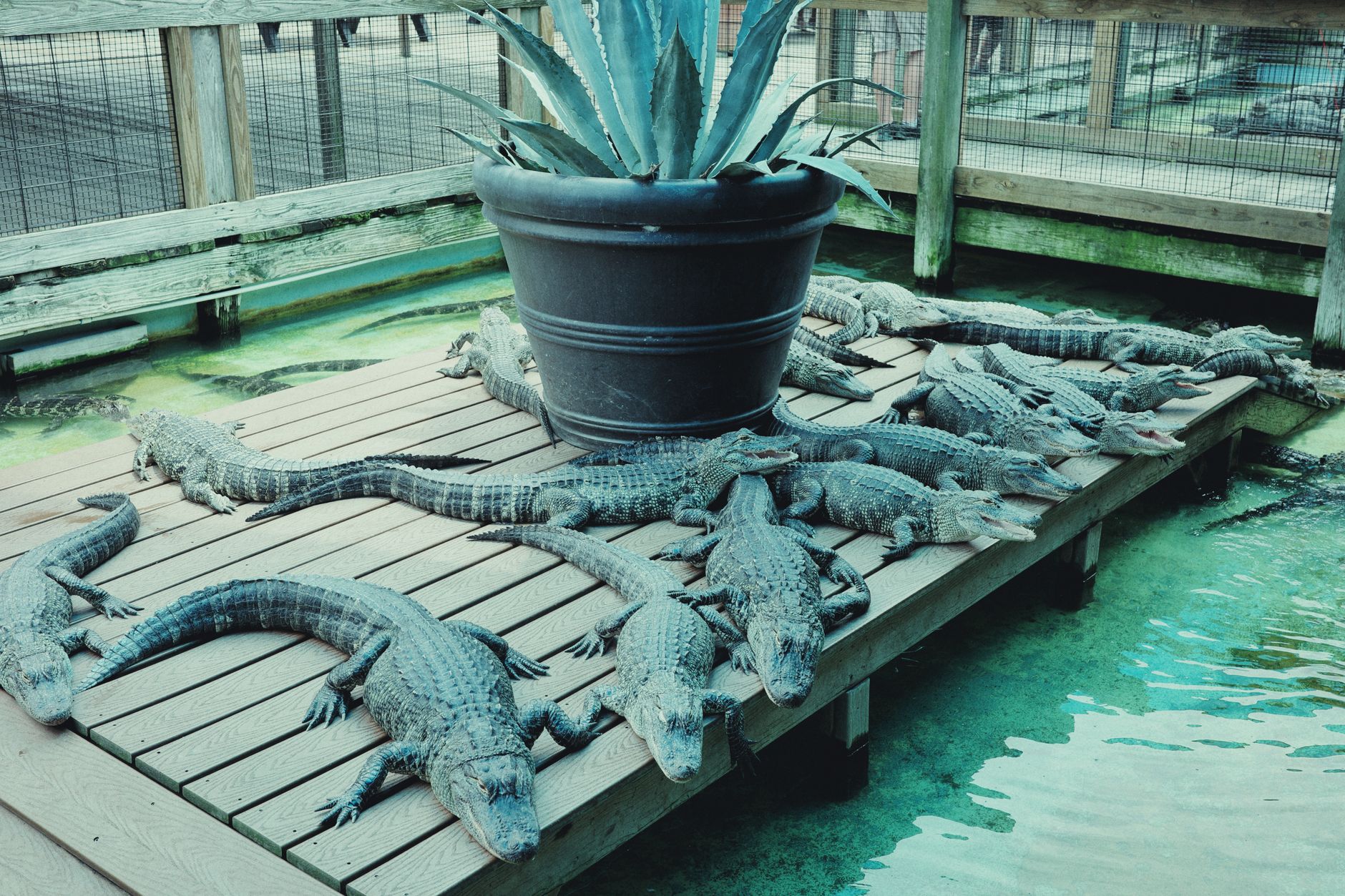
Alligators are formidable creatures, evolved over millions of years to be incredibly effective predators. They are cold-blooded reptiles with powerful jaws, sharp teeth, and a naturally aggressive disposition towards anything they perceive as a threat or a potential food source. Trying to establish a “friendly” relationship with an alligator is fundamentally misunderstanding their nature and instinct. It is playing with fire, and likely ending in a severe injury or even death.
What colours are fish most attracted to?
Can you put your finger in a trout's mouth?
Is methylene blue anti bacterial?
Does aquarium salt raise pH in aquarium?
Why Alligators Aren’t Built for Friendship

The very biology and behavior of alligators militate against the idea of them forming genuine bonds with humans.
- Instinct-Driven Behavior: Alligators operate primarily on instinct. They are programmed to hunt, eat, and defend their territory. Their behavior isn’t motivated by emotions like affection or loyalty.
- Limited Social Complexity: While alligators exhibit some social behaviors, such as territorial displays and parental care, their social interactions are far less complex than those of mammals known for forming bonds with humans (dogs, cats, etc.).
- Predatory Nature: At the core of their being is a predatory drive. This drive can be suppressed temporarily through consistent feeding, but it is always present and can be triggered by perceived threats, hunger, or changes in their environment.
Tolerance vs. Friendliness: A Dangerous Distinction
The notion of a “friendly alligator” often stems from instances where alligators appear calm or docile around humans. These situations usually involve:
- Habituation: When alligators are repeatedly exposed to humans, especially if they are being fed, they may become habituated, meaning they lose their fear response. This doesn’t mean they are friendly; it means they are less likely to flee.
- Food Association: Alligators may associate humans with food. This is incredibly dangerous, as they may then approach humans expecting to be fed, and if they aren’t, they may attack.
- Specific Individual Cases: There might be isolated anecdotal stories of alligators that seem unusually tolerant of human presence. However, these cases are extremely rare and should not be taken as representative of alligator behavior in general.
It is crucial to remember that tolerance is not friendliness. An alligator that tolerates your presence one day might attack you the next. Their behavior is unpredictable, and relying on perceived tolerance is a recipe for disaster.
The Dangers of Feeding Alligators
Feeding alligators is illegal in many areas and for very good reason. It directly contributes to the problem of alligators losing their fear of humans and associating them with food. This leads to:
- Increased Aggression: Alligators that are fed regularly become more aggressive in seeking out food from humans.
- Human-Alligator Conflicts: Habituation increases the likelihood of alligators approaching populated areas, leading to dangerous encounters.
- Ecological Disruption: Feeding can alter their natural hunting behaviors and disrupt the ecological balance.
Why You Should NEVER Approach an Alligator
No matter how calm or docile an alligator appears, you should never approach it. Even seemingly harmless interactions can have dire consequences. Respect their space and maintain a safe distance.
Factors Influencing Alligator Behavior
Several factors can influence an alligator’s behavior, making it difficult to predict their actions with certainty.
- Size and Age: Larger, older alligators are generally more aggressive and territorial.
- Mating Season: During mating season (typically in the spring), alligators are more aggressive and prone to defending their territory.
- Hunger: A hungry alligator is more likely to attack.
- Environment: Alligators may be more aggressive in areas where they feel threatened or confined.
Table: Tolerance vs. Friendliness in Alligators
| Feature | Tolerance | Friendliness |
|---|---|---|
| Definition | Acceptance of human presence without attacking or fleeing. | Reciprocal affection, social bonding, and voluntary positive interaction. |
| Cause | Habituation, food association, lack of perceived threat. | Not applicable to alligators; does not occur. |
| Reliability | Unpredictable; can change rapidly. | Not applicable to alligators. |
| Safety | Potentially dangerous; do not rely on tolerance for safety. | Not applicable to alligators. |
| Implication | Alligator may not attack immediately, but the risk of attack remains high. | Not applicable to alligators. |
Frequently Asked Questions (FAQs)
Are alligators friendly?
No. It is crucial to understand that alligators are not friendly creatures. They are apex predators with powerful instincts that prioritize survival and hunting, not forming bonds with humans. While some alligators might appear calm or tolerant, this is usually due to habituation and should never be mistaken for genuine friendliness.
Can alligators be trained like dogs?
Absolutely not. Dogs have been selectively bred for thousands of years to be companions to humans, resulting in a strong predisposition for social bonding and obedience. Alligators, on the other hand, are wild reptiles with a fundamentally different set of instincts and behaviors. Training an alligator is extremely dangerous and unlikely to be successful.
Is it safe to swim in water where alligators live?
It’s generally not recommended to swim in waters known to be inhabited by alligators. While attacks are relatively rare, they can occur, and the consequences can be severe. Exercise caution and be aware of your surroundings. Swimming at dusk or dawn, when alligators are most active, is especially risky.
What should I do if I encounter an alligator?
If you encounter an alligator, maintain a safe distance and avoid any sudden movements. Do not approach or attempt to feed it. If the alligator appears aggressive or approaches you, back away slowly while facing it. In the unlikely event of an attack, fight back aggressively, targeting the eyes and snout.
Are baby alligators less dangerous than adults?
While baby alligators are smaller and less powerful than adults, they can still bite and should be treated with caution. More importantly, a baby alligator may indicate the presence of a protective mother nearby, which can be extremely dangerous.
Do alligators attack humans unprovoked?
Alligators can attack humans unprovoked, especially if they are habituated to humans or feel threatened. However, most attacks occur when humans encroach on their territory or attempt to handle them. It is always best to maintain a safe distance and avoid any interaction.
Are there any cases of people keeping alligators as pets successfully?
While there have been instances of people keeping alligators as pets, these cases are rare and often end tragically. Alligators are wild animals and require specialized care and a secure environment that is difficult for most people to provide. Keeping an alligator as a pet is generally illegal and poses significant risks to both the owner and the public.
How can I tell if an alligator is about to attack?
Signs that an alligator may be about to attack include hissing, gaping its mouth, and arching its back. If you see these signs, back away slowly and avoid any sudden movements.
Why do some people think alligators are friendly?
Misconceptions about alligator friendliness often stem from a misunderstanding of their behavior. When alligators remain still or appear calm, some people interpret this as docility. However, this is often simply a waiting posture or a sign of habituation, not friendliness.
What role do alligators play in the ecosystem?
Alligators are an important part of their ecosystem. They are apex predators that help control populations of other animals, and their presence creates diverse habitats for other species. They are considered a keystone species.
Is it illegal to feed alligators?
Yes, it is illegal to feed alligators in many states, including Florida and Louisiana. Feeding alligators can lead to habituation, increased aggression, and dangerous human-alligator conflicts.
Can alligators be relocated if they become a nuisance?
In some cases, alligators that become a nuisance can be relocated. However, relocation is not always successful, as alligators often try to return to their original territory. In some situations, problem alligators may be euthanized. Relocation is often a temporary solution to a much larger problem rooted in human behavior, such as feeding.