

Are Staffies Good Beginner Dogs? A Deep Dive
Are Staffies good beginner dogs? The answer is complex: while their affectionate nature and intelligence can be appealing, Staffordshire Bull Terriers (Staffies) are generally not recommended for first-time owners due to their strength, potential for dog aggression, and need for experienced, consistent training and socialization.

Understanding the Staffordshire Bull Terrier
The Staffordshire Bull Terrier, often shortened to Staffie, is a breed with a rich, albeit somewhat controversial, history. Bred originally for bull-baiting and dogfighting, their strong build, tenacity, and courage were prized. Thankfully, those days are largely behind us, and modern breeders focus on temperament and companionship. However, remnants of their heritage can still influence their behavior.

What colours are fish most attracted to?
Can you put your finger in a trout's mouth?
Is methylene blue anti bacterial?
Does aquarium salt raise pH in aquarium?
Why Staffies Can Be Appealing to Beginners
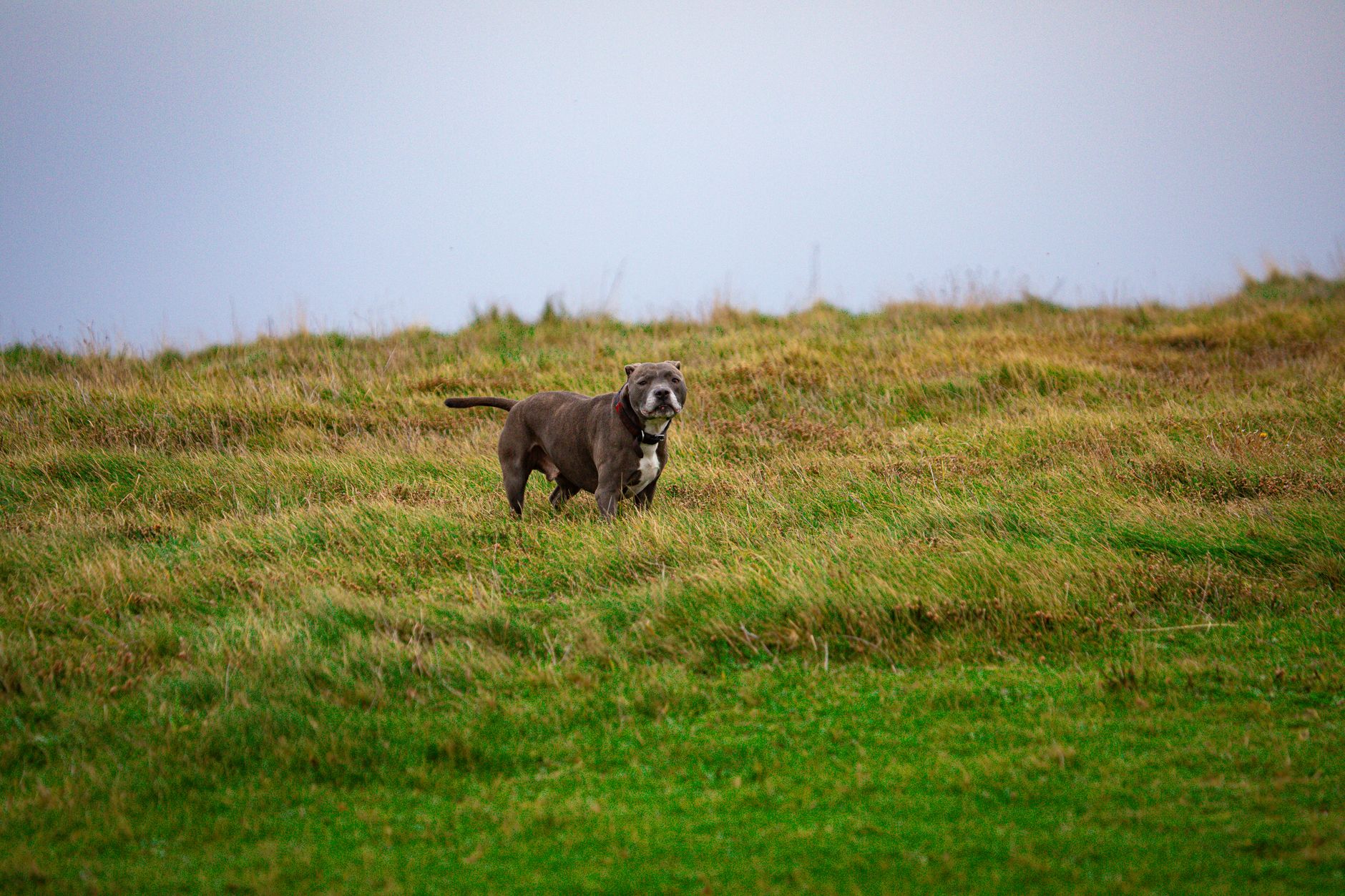
Despite the warnings, Staffies possess many traits that seem ideal for a beginner dog owner:
- Affectionate and Loyal: They are known for their intense loyalty to their families and are often referred to as “nanny dogs” because of their love for children (though supervision is always crucial).
- Intelligent: Staffies are intelligent and eager to please, which can make training enjoyable.
- Relatively Low Grooming Needs: Their short coats require minimal grooming.
- Playful and Energetic: They are fun-loving dogs who enjoy playtime and walks.
The Challenges of Owning a Staffie for a First-Timer
The appealing traits are often overshadowed by challenges best handled by experienced dog owners:
- Strength and Energy: Staffies are incredibly strong dogs with high energy levels. This requires consistent training to prevent pulling on the leash and managing their exuberant play.
- Potential for Dog Aggression: Some Staffies can exhibit dog aggression, particularly towards same-sex dogs. Early and extensive socialization is vital, but not always a guarantee of preventing problems.
- Strong Prey Drive: Their prey drive can be high, meaning they might chase smaller animals like cats or squirrels.
- Stubbornness: While intelligent, Staffies can be stubborn and require a firm, consistent hand during training. This requires a deeper understanding of dog behavior and training methods.
- Reputation and Breed-Specific Legislation: Unfortunately, Staffies are often subject to negative stereotypes and breed-specific legislation (BSL) in some areas, which can lead to restrictions and difficulties.
The Importance of Socialization and Training
Proper socialization and training are absolutely critical for Staffies.
- Early Socialization (3-16 weeks): Expose your puppy to a wide variety of people, dogs, and environments in a positive and controlled manner. Puppy classes are highly recommended.
- Consistent Training: Start obedience training early and continue throughout their lives. Positive reinforcement methods are generally most effective.
- Leash Manners: Teach your Staffie to walk politely on a leash to prevent pulling and potential reactivity.
- Recall: A reliable recall is essential for safety.
- Professional Guidance: Seek guidance from a qualified dog trainer or behaviorist, especially if you are a first-time owner.
Considerations for Responsible Ownership
Before bringing a Staffie into your home, consider the following:
- Experience Level: Honestly assess your experience with dogs, particularly strong-willed breeds.
- Lifestyle: Do you have the time and energy to dedicate to training, socialization, and exercise?
- Living Situation: Are there any restrictions on dog breeds or sizes in your apartment or neighborhood?
- Commitment: Are you prepared to commit to the dog’s needs for its entire lifespan (12-14 years)?
Alternatives for Beginner Dog Owners
If you’re a first-time dog owner looking for a more manageable breed, consider some of the following options:
- Cavalier King Charles Spaniel: Affectionate, adaptable, and relatively easy to train.
- Labrador Retriever: Friendly, intelligent, and good with families (requires plenty of exercise).
- Golden Retriever: Similar to Labradors, but often a bit calmer.
- Poodle (Standard, Miniature, or Toy): Intelligent, hypoallergenic, and trainable.
- Greyhound (Retired Racer): Surprisingly laid-back and gentle indoor dogs.
While these breeds are often considered easier for beginners, all dogs require training, socialization, and commitment.
The Bottom Line: Are Staffies good beginner dogs?
Ultimately, are Staffies good beginner dogs? The answer is a resounding maybe, but with significant caveats. If you are a first-time owner, acquiring a Staffie may be successful if you:
- Seek extensive professional guidance from the outset.
- Dedicate significant time and effort to training and socialization.
- Are prepared to manage potential challenges like dog aggression and a strong prey drive.
- Thoroughly research the breed and understand its specific needs.
- Possess the physical strength and mental fortitude to handle a strong-willed dog.
However, for most first-time owners, a different breed might provide a more positive and less stressful experience.
Frequently Asked Questions About Staffies and Beginner Owners
What are the most common behavioral issues seen in Staffies?
The most common behavioral issues in Staffies include dog aggression (particularly same-sex aggression), excessive barking, chewing, digging, and pulling on the leash. These issues are often related to a lack of training, socialization, or sufficient exercise.
Are Staffies safe around children?
Staffies are known for being affectionate and tolerant with children within their own families, earning them the nickname “nanny dogs.” However, it’s crucial to remember that all dogs should be supervised around children, regardless of breed. Children should be taught how to interact with dogs respectfully.
Do Staffies require a lot of exercise?
Yes, Staffies require a significant amount of exercise to stay happy and healthy. Daily walks, playtime, and mental stimulation are essential. Without enough exercise, they can become bored and destructive.
Are Staffies prone to any specific health problems?
Staffies are prone to certain health problems, including hip and elbow dysplasia, cataracts, skin allergies, and certain types of cancer. Responsible breeders screen their dogs for these conditions.
How much does it cost to own a Staffie?
The cost of owning a Staffie can vary depending on factors like location, breeder, and lifestyle. However, expect to spend money on food, vet care, training, grooming, and toys. The initial cost of purchasing a Staffie can range from $500 to $3,000 or more.
Are Staffies easy to train?
Staffies are intelligent, but they can also be stubborn. Training requires patience, consistency, and positive reinforcement techniques. Enrolling in obedience classes is highly recommended.
What is breed-specific legislation (BSL), and how does it affect Staffies?
Breed-specific legislation (BSL) refers to laws that restrict or ban certain dog breeds deemed “dangerous,” often including Staffies. BSL can lead to restrictions on ownership, such as muzzling requirements, insurance mandates, or even outright bans.
How can I find a reputable Staffie breeder?
Finding a reputable breeder is crucial for ensuring you get a healthy and well-tempered puppy. Look for breeders who:
- Health test their dogs.
- Allow you to visit their facilities.
- Are knowledgeable about the breed.
- Are willing to answer your questions.
- Provide a written contract.
What is the best way to socialize a Staffie puppy?
The best way to socialize a Staffie puppy is to expose them to a wide variety of people, dogs, and environments in a positive and controlled manner during their critical socialization period (3-16 weeks). Puppy classes and supervised playdates are excellent options.
What type of diet is best for a Staffie?
A high-quality, balanced diet that is appropriate for their age and activity level is best for a Staffie. Consult with your veterinarian to determine the best food for your dog.
Are Staffies prone to separation anxiety?
Some Staffies can be prone to separation anxiety, especially if they are left alone for long periods. Providing them with plenty of exercise, mental stimulation, and a safe space can help to reduce anxiety. Crate training can also be beneficial.
Where can I adopt a Staffie instead of buying from a breeder?
Adopting a Staffie is a wonderful way to give a deserving dog a loving home. Check your local animal shelters and breed-specific rescue organizations. Adopting from a rescue allows you to provide a second chance to a dog in need. Remember to discuss your experience level honestly with the rescue so they can help you find a dog that is a good fit for your home.