

Are Squirrels Protective? Unveiling the Truth Behind Their Behavior
Are squirrels protective? While not protective in the traditional, selfless way we might think, squirrels exhibit behaviors that appear protective, primarily driven by self-preservation and resource defense. This article delves into the fascinating world of squirrel behavior to uncover the truth behind their actions.

Understanding Squirrel Behavior: Beyond the Nut Obsession
Squirrels, those ubiquitous residents of parks and backyards, are often observed exhibiting behaviors that seem protective. However, it’s crucial to understand the evolutionary drivers behind these actions. Their “protective” actions are primarily fueled by the need to secure resources, defend territory, and ensure the survival of themselves and their offspring. They are opportunistic and their actions are driven by instinct and learning.

What colours are fish most attracted to?
Can you put your finger in a trout's mouth?
Is methylene blue anti bacterial?
Does aquarium salt raise pH in aquarium?
Territoriality: Defending Their Turf
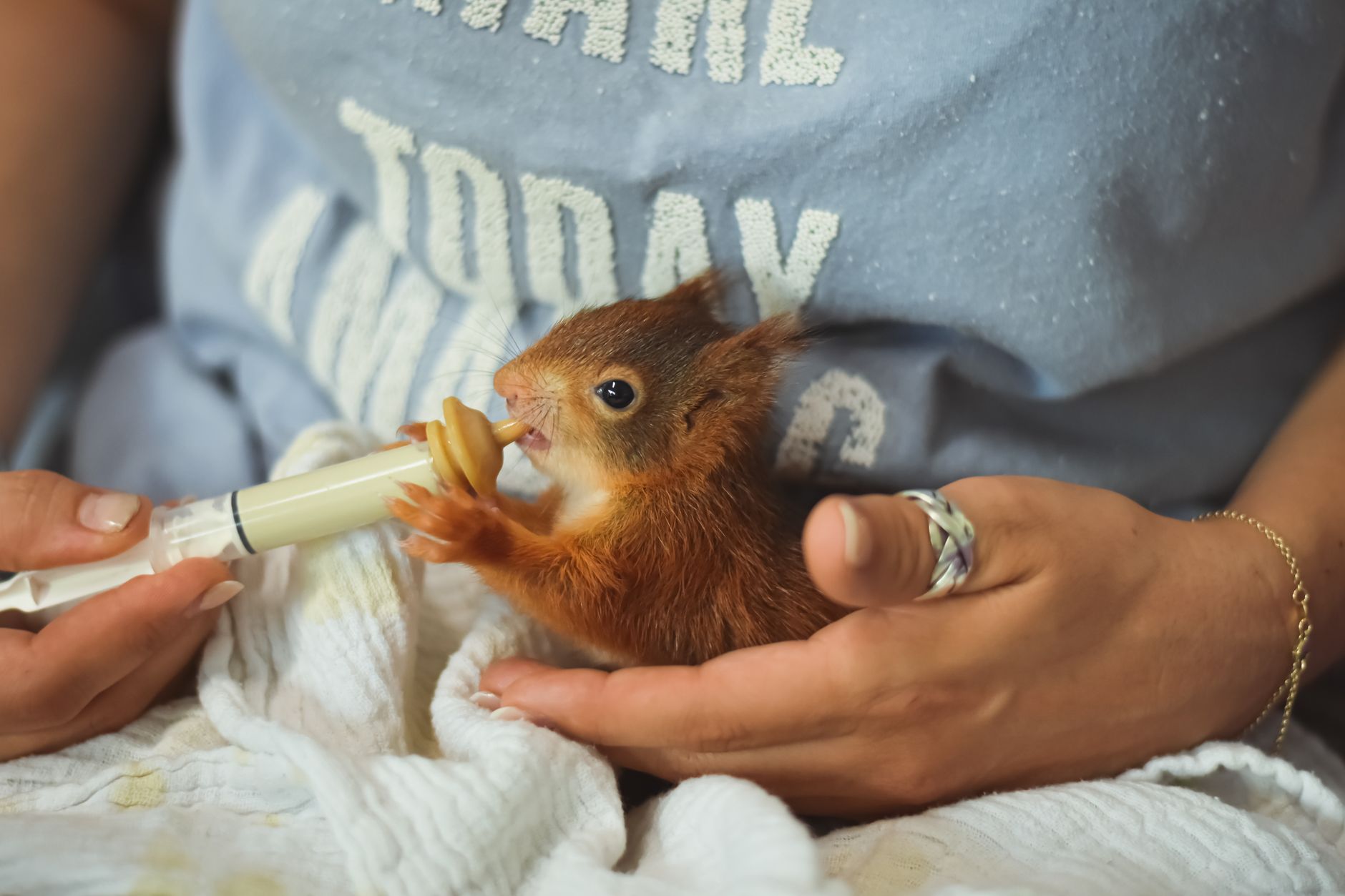
One key aspect of understanding squirrel “protectiveness” lies in their territorial behavior.
- Defining Territory: Squirrels often establish and defend territories, particularly during mating season or when resources are scarce.
- Defense Mechanisms: This defense can manifest as chasing away intruders, vocalizations (chattering and scolding), and even physical aggression. These behaviors aren’t necessarily altruistic acts of protection, but rather a calculated effort to maintain access to vital food sources and safe nesting sites.
Motherly Instincts: Protecting the Young
Arguably, the strongest evidence of squirrel “protection” comes from mothers safeguarding their young.
- Nest Defense: Mother squirrels are fiercely protective of their nests and will aggressively defend them against potential predators, which may include birds of prey, snakes, and even larger mammals.
- Vigilance and Alertness: They exhibit heightened vigilance, constantly scanning their surroundings for threats and issuing alarm calls to warn their offspring of danger.
- Relocation: If a nest is compromised, the mother squirrel will tirelessly relocate her young to a safer location, demonstrating a strong commitment to their survival.
Food Hoarding and Defense: A Matter of Survival
Squirrels are renowned for their food hoarding behavior, burying nuts and seeds for later consumption. This stockpiling instinct also drives what might seem like “protective” actions.
- Cache Defense: Squirrels are highly protective of their caches, actively guarding them against pilfering by other squirrels or animals.
- Elaborate Deception: Some squirrels even engage in deceptive behaviors, such as pretending to bury food to mislead potential thieves.
- Strategic Placement: They strategically place caches in various locations to minimize the risk of losing their entire food supply.
Misinterpretations: Distinguishing Instinct from Altruism
It’s essential to differentiate between instinctual behaviors and genuine altruism when considering whether are squirrels protective?
- Human Projection: We often project human emotions and motivations onto animals, leading us to misinterpret their actions.
- Survival Imperatives: Squirrels are driven primarily by survival imperatives, such as acquiring food, avoiding predators, and reproducing.
- Lack of Empathy: There is limited evidence to suggest that squirrels possess the capacity for empathy or altruism in the same way that humans or other social animals do. Their behavior is primarily self-serving.
Frequently Asked Questions About Squirrel Protectiveness
Do squirrels protect humans?
No, squirrels do not actively protect humans. Their behaviors, which might appear protective, are primarily directed towards their own survival and the protection of their offspring. Any interaction that seems like protection is likely coincidental or a result of the squirrel defending its territory from perceived threats.
Are squirrels aggressive towards humans?
Squirrels can become aggressive towards humans if they feel threatened, especially if they are defending their territory, their young, or their food source. However, aggression is usually a defensive response, not an offensive one. It’s best to maintain a safe distance and avoid direct interaction.
Do squirrels remember people?
Evidence suggests that squirrels can recognize individual humans, particularly those who regularly provide them with food. This recognition is likely based on visual cues and scent. They may become more comfortable around familiar individuals but this is not true protection.
Why do squirrels chatter so much?
Squirrels use a variety of vocalizations, including chattering, to communicate with each other. These calls can serve as alarm signals, warnings of predators, territorial declarations, or even mating calls. The context of the chattering often indicates its specific meaning.
How do squirrels defend themselves from predators?
Squirrels employ various strategies to evade predators, including their agility, camouflage, alarm calls, and the ability to climb trees quickly. They are also highly vigilant, constantly scanning their surroundings for potential threats.
Do squirrels protect each other?
While squirrels are not known for collaborative protection of the entire squirrel population, they will often warn each other of danger by issuing alarm calls. This is a form of kin selection, as they are more likely to warn relatives than non-relatives.
Are male squirrels protective of their offspring?
Male squirrels generally do not play a significant role in raising or protecting their offspring. The primary caregiver is the mother squirrel, who provides food, shelter, and protection. Males focus on establishing territories and competing for mates.
What should I do if a squirrel approaches me?
If a squirrel approaches you, it’s best to remain calm and avoid sudden movements. Do not attempt to feed or touch the squirrel. Slowly back away and give it space. If the squirrel becomes aggressive, try to scare it away by making loud noises or waving your arms.
Why do squirrels bury nuts?
Squirrels bury nuts as a way to store food for the winter months when food is scarce. This behavior is crucial for their survival. They have an excellent spatial memory and are usually able to locate their buried caches.
Are baby squirrels protective?
Baby squirrels are dependent on their mother for protection and survival. They are not capable of defending themselves or others.
How can I keep squirrels away from my bird feeder?
There are several ways to deter squirrels from raiding bird feeders, including using squirrel-resistant feeders, placing feeders in locations that are difficult for squirrels to reach, and offering food that squirrels don’t like, such as safflower seeds.
What is the difference between grey squirrels and red squirrels?
Grey squirrels and red squirrels are distinct species with different characteristics. Grey squirrels are larger and more adaptable than red squirrels, and they have outcompeted red squirrels in many areas. Red squirrels are more native to Europe and Asia, while grey squirrels are native to North America. They also have different coloration patterns.