

Are Seahorses Hard to Keep?: Unveiling the Challenges and Rewards
Are seahorses hard to keep? Yes, seahorses are generally considered challenging to keep due to their specific dietary needs, susceptibility to disease, and sensitivity to water quality, requiring dedicated care and specialized aquarium setups.
Understanding the Appeal of Seahorses
Seahorses, with their whimsical appearance and unique reproductive behaviors, hold a captivating allure for many aquarium enthusiasts. These graceful creatures, belonging to the genus Hippocampus, are a type of bony fish, easily recognizable by their equine profile and prehensile tail. Their delicate nature, however, makes their successful care a task best undertaken with careful planning and a comprehensive understanding of their needs.

What colours are fish most attracted to?
Can you put your finger in a trout's mouth?
Is methylene blue anti bacterial?
Does aquarium salt raise pH in aquarium?
Why Seahorses Are Considered Challenging
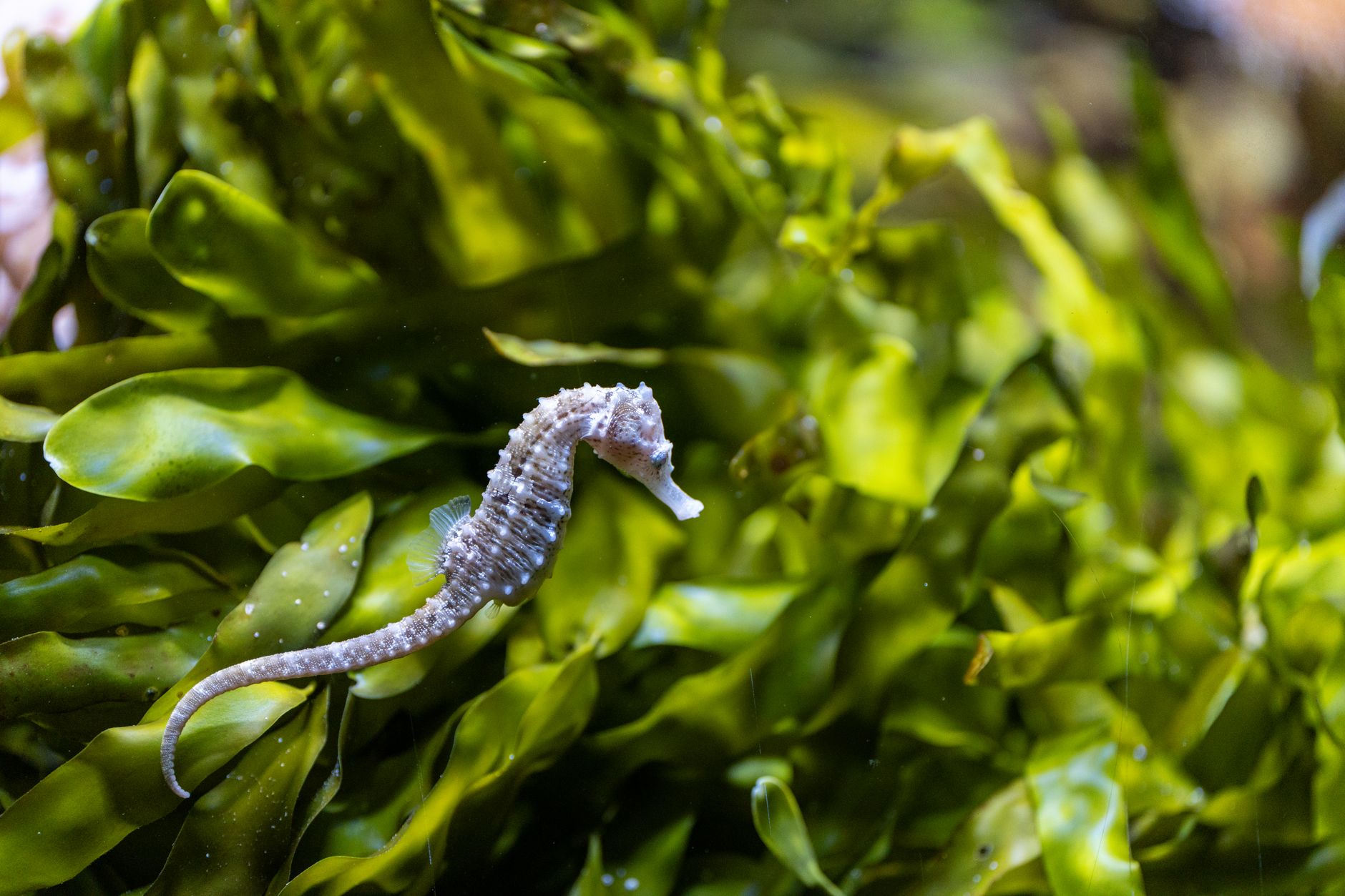
Are seahorse hard to keep? The answer largely stems from their unique biological and behavioral characteristics. Unlike many common aquarium fish, seahorses have several specialized needs that must be met to ensure their health and well-being in a captive environment. These challenges include:
- Specialized Diet: Seahorses are ambush predators that primarily feed on live food, particularly small crustaceans like copepods, mysid shrimp, and enriched brine shrimp. Maintaining a consistent supply of this food can be labor-intensive and expensive.
- Slow and Deliberate Feeding: Seahorses are slow eaters and are easily outcompeted for food by faster, more aggressive fish. This necessitates a dedicated feeding strategy to ensure they receive adequate nutrition.
- Susceptibility to Disease: Seahorses are prone to a variety of diseases, including bacterial infections, parasitic infestations, and gas bubble disease. Early detection and treatment are crucial for their survival.
- Specific Water Quality Requirements: Seahorses are highly sensitive to changes in water parameters, such as temperature, salinity, pH, and ammonia/nitrite/nitrate levels. Maintaining stable and pristine water quality is essential.
- Sensitive to Flow: While they need some flow, seahorses are not strong swimmers, requiring a tank with low flow to prevent them from being blown around the tank.
Essential Requirements for Seahorse Husbandry
Successfully keeping seahorses requires a commitment to providing them with a suitable habitat and care regimen. This involves careful consideration of the following factors:
- Tank Size and Setup: A dedicated seahorse-specific tank is highly recommended. The size will depend on the species, but a minimum of 30 gallons is generally required for a pair of dwarf seahorses and larger for bigger species. The tank should be tall rather than wide, providing ample vertical swimming space.
- Water Quality Management: A high-quality filtration system, including a protein skimmer, is essential to maintain pristine water quality. Regular water changes (10-20% weekly) are also crucial.
- Appropriate Tank Mates: Seahorses should be housed with peaceful and non-aggressive tank mates that will not compete for food or harass them. Some suitable options include small gobies, pipefish, and certain invertebrates.
- Live Rock and Hitching Posts: Seahorses require plenty of hitching posts, such as live rock, artificial plants, or sea fans, to which they can attach their prehensile tails.
- Diet and Feeding Regimen: A varied diet of live foods is crucial for seahorse health. Regular feeding, multiple times a day, is necessary to ensure they receive adequate nutrition. Target feeding using a turkey baster can ensure all seahorses are getting food.
- Observation and Monitoring: Close observation of seahorses for signs of illness or stress is essential for early detection and treatment.
Seahorse Compatibility
When choosing seahorses, it is important to understand that not all species are compatible, and some can be very aggressive towards each other. Some species are much easier to keep than others too. Here are a few common aquarium species:
| Species | Average Size | Difficulty | Compatibility |
|---|---|---|---|
| Hippocampus barbouri | 6-8 inches | Moderate | Generally peaceful, best kept in pairs or small groups of the same species. |
| Hippocampus reidi | 6-7 inches | Moderate | Generally peaceful, best kept in pairs or small groups of the same species. |
| Hippocampus erectus | 6-7 inches | Moderate | Can be kept with larger erectus. erectus should only be kept with erectus |
| Hippocampus zosterae | 1-2 inches | Difficult | Should only be kept with their own species, and in a species-specific tank. |
Common Mistakes to Avoid
Successful seahorse keeping requires careful attention to detail and a proactive approach to preventing common mistakes. Some of the most frequent errors include:
- Overcrowding the Tank: Overcrowding can lead to poor water quality and increased stress on seahorses.
- Inadequate Filtration: Insufficient filtration can result in the buildup of harmful toxins and a decline in water quality.
- Poor Diet: Feeding seahorses an inadequate or monotonous diet can lead to nutritional deficiencies and health problems.
- Introducing Diseased Fish: Quarantining new fish before introducing them to the seahorse tank is essential to prevent the spread of disease.
- Neglecting Water Changes: Regular water changes are crucial for maintaining stable water quality and removing harmful toxins.
- Using Incompatible Tank Mates: Aggressive or competitive tank mates can stress seahorses and prevent them from feeding properly.
Are seahorse hard to keep? Conclusion: Rewards of Success
While are seahorses hard to keep? The answer is unequivocally yes, but the rewards of successful seahorse keeping are immeasurable. Observing these fascinating creatures in a thriving captive environment is a truly enriching experience. With careful planning, diligent care, and a commitment to meeting their specific needs, you can provide seahorses with a healthy and fulfilling life in your aquarium. The key to successfully keeping seahorses lies in thorough research, patience, and a genuine dedication to their well-being.
Frequently Asked Questions (FAQs)
Can I keep seahorses in a community tank?
It is generally not recommended to keep seahorses in a typical community tank. Seahorses require specific water parameters, slow flow, and a diet of live food, which may not be suitable for other fish. Furthermore, more aggressive fish can outcompete seahorses for food and cause them stress.
What type of live food do seahorses eat?
Seahorses primarily eat live crustaceans, such as mysid shrimp, copepods, and enriched brine shrimp. It is essential to provide a varied diet to ensure they receive all the necessary nutrients. Frozen mysis shrimp can be accepted, but many seahorses will only take live food.
How often should I feed my seahorses?
Seahorses should be fed multiple times a day, ideally 3-4 times, to ensure they receive adequate nutrition. They are slow eaters and require frequent meals to maintain their energy levels.
What water parameters are ideal for seahorses?
Seahorses thrive in stable and pristine water conditions. The ideal parameters include a temperature of 72-78°F (22-26°C), salinity of 1.023-1.025, pH of 8.1-8.4, and ammonia/nitrite levels of 0 ppm. Regular testing and adjustments are essential.
How can I prevent diseases in seahorses?
Preventing diseases in seahorses involves maintaining excellent water quality, providing a nutritious diet, and quarantining any new additions to the tank. Regular observation and early detection of any signs of illness are also crucial.
What are the signs of a healthy seahorse?
A healthy seahorse will be active, alert, and have a bright coloration. It will also exhibit a healthy appetite and regular feeding behavior.
What are the signs of a sick seahorse?
Signs of a sick seahorse include lethargy, loss of appetite, changes in coloration, erratic swimming, and physical abnormalities, such as lesions or gas bubbles.
How do I introduce new seahorses to my tank?
When introducing new seahorses, it is essential to acclimate them slowly to the tank’s water parameters. Float the bag in the tank for about 30 minutes to equalize the temperature, then gradually add small amounts of tank water to the bag over the next hour before releasing the seahorse into the tank.
Do seahorses need a strong water current?
No, seahorses do not need a strong water current. They are weak swimmers and prefer gentle water flow. Strong currents can stress them and make it difficult for them to feed.
Can I keep different species of seahorses together?
It is generally not recommended to keep different species of seahorses together unless you have a large tank and are very experienced. Some species may be incompatible and can compete for food or harass each other.
What is “gas bubble disease” in seahorses?
Gas bubble disease is a condition where gas bubbles form under the skin or in the internal organs of seahorses. This can be caused by a variety of factors, including supersaturation of gases in the water, bacterial infections, and physical trauma.
Where can I purchase healthy seahorses?
It is essential to purchase seahorses from a reputable breeder or aquarium store that specializes in seahorses. Ensure that the seahorses are healthy, active, and eating well before purchasing them.