
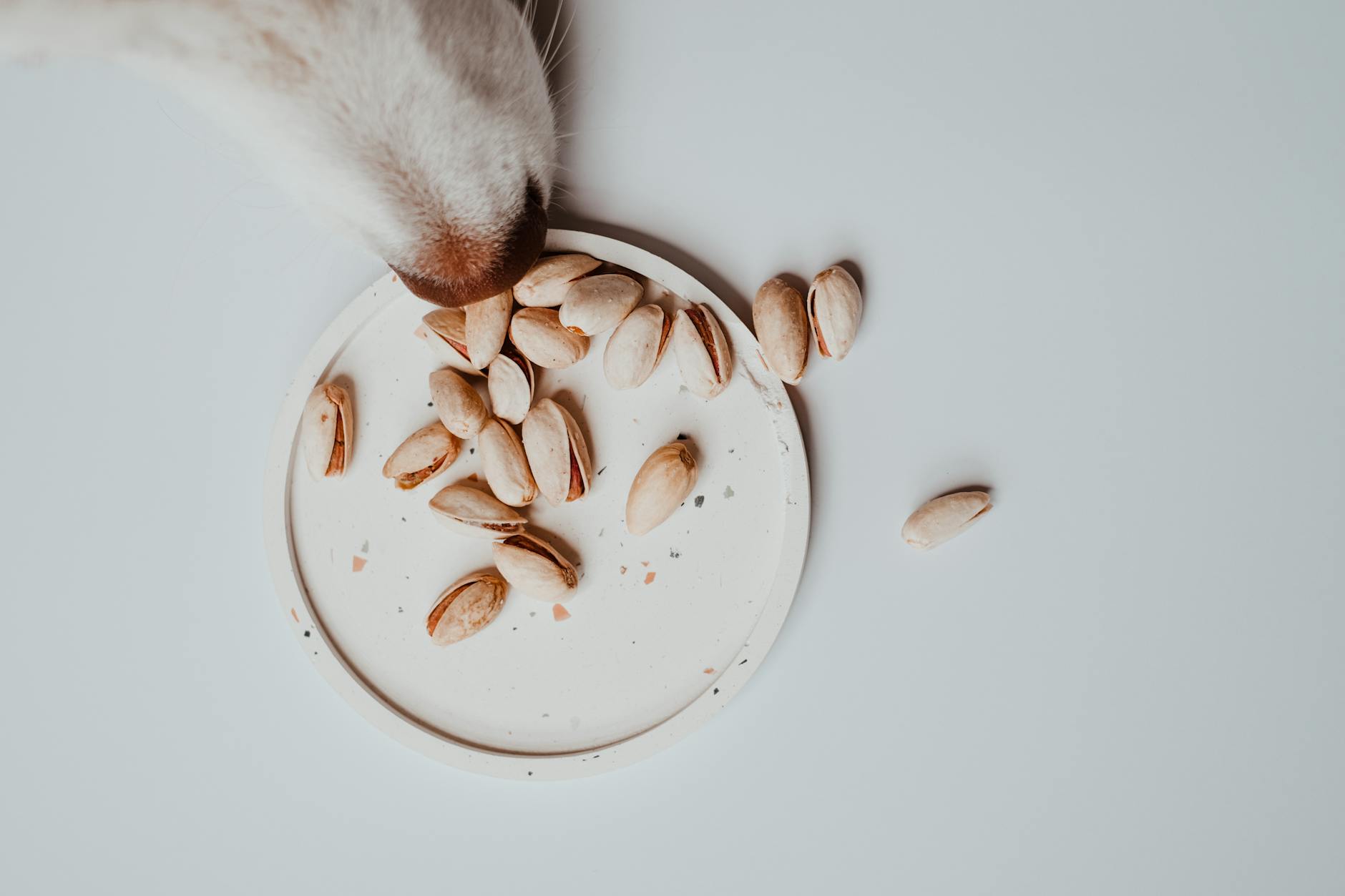
Are Pistachios Safe for Animals? A Comprehensive Guide
While occasionally offering a pistachio to your pet might seem harmless, the general answer to are pistachios safe for animals? is a resounding no. They pose significant risks due to their high fat content, potential mold contamination, and additives.

Pistachios: A Nutty Temptation, a Risky Treat
Pistachios, with their distinctive flavor and vibrant green hue, are a popular snack for humans. However, understanding their potential impact on animal health is crucial for responsible pet ownership. While some nuts are considered relatively safe in moderation for certain animals, pistachios fall into a higher-risk category, and should generally be avoided altogether.

What colours are fish most attracted to?
Can you put your finger in a trout's mouth?
Is methylene blue anti bacterial?
Does aquarium salt raise pH in aquarium?
The Hazards of Pistachios for Animals
Several factors contribute to the potential dangers of feeding pistachios to pets:
-
High Fat Content: Pistachios are rich in fats, which can lead to gastrointestinal upset, pancreatitis, and weight gain in animals, especially if they are given regularly or in large quantities. Pancreatitis can be a life-threatening condition.
-
Aflatoxin Contamination: Pistachios, like other nuts, are susceptible to mold growth, particularly Aspergillus mold. This mold produces aflatoxins, which are highly toxic and can cause liver damage, liver failure, and even death in animals. Even pistachios intended for human consumption can sometimes contain unsafe levels of aflatoxins.
-
Added Salt and Seasonings: Commercially available pistachios are often heavily salted or seasoned with spices that are toxic to animals. Excessive salt intake can lead to sodium ion poisoning, while certain spices, like garlic and onion powder, are particularly dangerous for dogs and cats.
-
Choking Hazard: The size and shape of pistachios, particularly those still in their shells, can present a choking hazard for smaller animals.
-
Nut Allergies: While less common than in humans, nut allergies can occur in animals. An allergic reaction can manifest as skin irritation, vomiting, diarrhea, or even anaphylaxis.
Which Animals Are Most at Risk?
While the risks apply to most animals, some are more vulnerable than others:
- Dogs: Dogs are particularly susceptible to the toxic effects of aflatoxins and can suffer from pancreatitis due to the high fat content.
- Cats: Cats are even more sensitive to the toxins and high fat content of pistachios. They can also experience digestive upset and potential liver damage.
- Small Animals (e.g., Rabbits, Guinea Pigs, Hamsters): These animals have delicate digestive systems and are highly susceptible to the effects of mold toxins and high fat levels.
- Birds: While some birds can tolerate small amounts of certain nuts, pistachios are generally not recommended due to the risk of aflatoxin contamination.
Alternative Safe Treats for Pets
Instead of risking your pet’s health with pistachios, opt for safer and healthier treat alternatives:
- Dog-Friendly Options: Carrots, apples (without seeds), blueberries, cooked sweet potatoes, plain cooked chicken or turkey.
- Cat-Friendly Options: Cooked lean meats, commercially prepared cat treats, small amounts of tuna in water (occasionally).
- Small Animal Options: Species-specific commercial treats, small amounts of fresh vegetables like parsley and romaine lettuce (in moderation).
- Bird-Friendly Options: Species-specific seed mixes, fresh fruits and vegetables, formulated bird pellets.
What to Do If Your Pet Eats a Pistachio
If your pet has ingested a pistachio, observe them closely for any signs of illness:
- Monitor for Symptoms: Watch for vomiting, diarrhea, lethargy, loss of appetite, abdominal pain, or difficulty breathing.
- Contact Your Veterinarian: If you notice any concerning symptoms, contact your veterinarian immediately. Provide them with information about how many pistachios your pet ate and any other relevant details.
- Induce Vomiting (If Advised): Your veterinarian may advise you to induce vomiting at home if the ingestion was recent and the amount was significant. Never induce vomiting without consulting your vet.
Frequently Asked Questions (FAQs)
Can dogs eat pistachios?
Generally, the answer is no. While a single, unsalted pistachio might not cause immediate harm to a large dog, the risks of aflatoxins, high fat content, and potential seasonings far outweigh any possible benefits. It’s best to avoid feeding pistachios to dogs altogether.
Are pistachios poisonous to cats?
Yes, pistachios can be considered poisonous to cats due to the potential for aflatoxin contamination and the high fat content. Cats are more sensitive to toxins than dogs, so even a small amount of pistachios could cause serious health problems.
What happens if my dog eats a pistachio shell?
Pistachio shells are a choking hazard, especially for smaller dogs. They can also cause gastrointestinal irritation or blockage. Monitor your dog for signs of distress, such as coughing, gagging, or vomiting, and consult your veterinarian if you have concerns.
Are raw pistachios safer for animals than roasted ones?
Neither raw nor roasted pistachios are safe for animals. Both present the risk of aflatoxin contamination and high fat content. Roasting can also add potentially harmful seasonings like salt and spices.
Can birds eat pistachios?
While some birds might enjoy the taste of pistachios, they are generally not recommended. The risk of aflatoxin contamination is a significant concern, and the high fat content can be detrimental to their health. Opt for species-specific birdseed mixes and fresh fruits and vegetables instead.
What is aflatoxin and why is it dangerous for animals?
Aflatoxins are toxic compounds produced by certain types of mold (Aspergillus). They can contaminate nuts, grains, and other agricultural products. Aflatoxins are highly carcinogenic and can cause liver damage, liver failure, and even death in animals, even in small amounts.
How much pistachio is too much for an animal?
Even a small amount of pistachio can be too much, especially for smaller animals or those with underlying health conditions. There is no safe amount of pistachio to give your pet.
Are pistachio nuts good for animals?
Pistachio nuts offer no significant nutritional benefits for animals that outweigh the risks. There are many safer and healthier treat options available that provide essential nutrients without the potential dangers.
What are the symptoms of aflatoxin poisoning in animals?
Symptoms of aflatoxin poisoning can include loss of appetite, lethargy, vomiting, diarrhea, jaundice (yellowing of the skin and eyes), abdominal pain, and seizures. Seek immediate veterinary attention if you suspect your pet has aflatoxin poisoning.
Can rabbits eat pistachios?
Pistachios are not safe for rabbits. Rabbits have very sensitive digestive systems, and the high fat content and potential for aflatoxin contamination can cause serious health problems.
Are unsalted pistachios safer for my pet?
While unsalted pistachios are slightly better than salted ones, they still pose the same risks of aflatoxin contamination and high fat content. Therefore, they are still not considered safe for pets.
My pet ate a small amount of pistachios and seems fine. Do I still need to worry?
Even if your pet appears fine, it’s important to monitor them closely for any delayed symptoms. The effects of aflatoxins can sometimes take time to manifest. If you have any concerns, contact your veterinarian.