
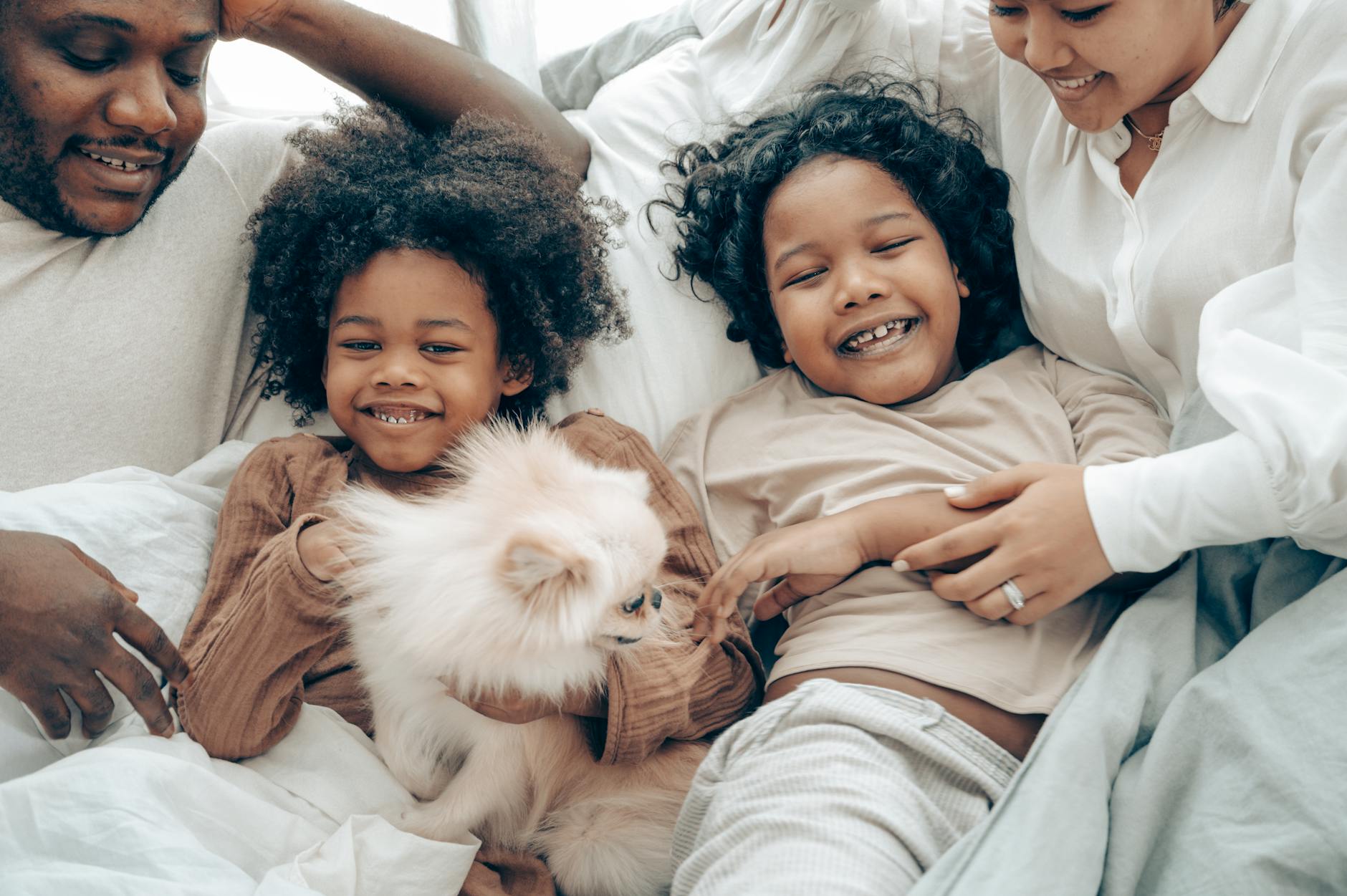
Are Pets a Paw-sitive Influence? Exploring the Link Between Pets and Children’s Mental Well-being
Yes, evidence strongly suggests that pets are good for children’s mental health, offering a powerful source of companionship, emotional support, and opportunities for learning and growth that can significantly benefit their overall well-being.

The Enduring Bond: Pets and Childhood Development
The relationship between children and animals is a profound one, often marked by unwavering loyalty and unconditional love. This bond can play a significant role in shaping a child’s emotional, social, and cognitive development. But are pets good for children’s mental health? Mounting research suggests a resounding yes, highlighting the numerous benefits that animal companionship can provide during the formative years. The presence of a pet can contribute to a child’s sense of security, reduce stress and anxiety, and foster essential life skills like responsibility and empathy. This article delves into the various ways pets positively impact children’s mental health and provides insights into fostering healthy and fulfilling relationships between children and their animal companions.

What colours are fish most attracted to?
Can you put your finger in a trout's mouth?
Is methylene blue anti bacterial?
Does aquarium salt raise pH in aquarium?
Unveiling the Benefits: How Pets Support Mental Well-being

The positive impact of pets on children’s mental health is multi-faceted. These benefits stem from the unique connection children form with their animal companions. Some of these benefits include:
- Emotional Support and Companionship: Pets offer a constant source of unconditional love and acceptance, combating feelings of loneliness and isolation. They can be particularly helpful for children struggling with anxiety, depression, or social difficulties.
- Stress Reduction and Anxiety Management: Interacting with pets has been shown to lower cortisol levels (the stress hormone) and increase endorphins (the feel-good hormones). This can help children manage stress, anxiety, and even symptoms of PTSD.
- Enhanced Self-Esteem and Confidence: Caring for a pet gives children a sense of responsibility and accomplishment, boosting their self-esteem and confidence. Successfully managing a pet’s needs, such as feeding, grooming, and exercising, reinforces their ability to care for others.
- Development of Empathy and Social Skills: Observing and responding to a pet’s needs teaches children empathy and compassion. They learn to recognize and understand nonverbal cues, fostering valuable social skills.
- Improved Communication and Social Interaction: Pets can serve as social catalysts, providing children with conversation starters and opportunities for interaction with others. This is especially beneficial for shy or introverted children.
- Increased Physical Activity: Owning a pet, particularly a dog, encourages children to be more physically active. This increased activity contributes to both physical and mental well-being.
Choosing the Right Pet: A Responsible Approach
Selecting a pet for a child is a significant decision that requires careful consideration. Not all animals are suitable for all children, and it’s crucial to match the pet’s temperament and needs with the child’s personality and capabilities. Key factors to consider include:
- Child’s Age and Maturity Level: Younger children may not have the necessary skills to care for a pet independently. Older children can take on more responsibility but still require adult supervision.
- Child’s Temperament and Personality: Consider whether the child is energetic or calm, outgoing or shy. Choose a pet whose personality complements the child’s.
- Family Lifestyle and Living Environment: Evaluate the family’s schedule, living space, and activity level. A high-energy dog may not be suitable for a family living in a small apartment.
- Allergies and Health Concerns: Check for any allergies or health conditions that may be aggravated by pet ownership.
- Financial Considerations: Owning a pet involves significant financial commitments, including food, veterinary care, grooming, and supplies.
It’s essential to research different breeds and species to find the best match for the child and family. Shelters and rescue organizations offer a wide variety of animals, often with known histories and temperaments.
Common Misconceptions: Addressing the Concerns
Despite the numerous benefits, some misconceptions surround the idea of pets and children. Addressing these concerns is important:
- Hygiene Concerns: With proper hygiene practices, the risk of disease transmission from pets to children is minimal. Teach children to wash their hands after interacting with animals and to avoid contact with animal waste.
- Allergy Issues: While some children are allergic to pets, others develop allergies later. Consider allergy testing before bringing a pet home and explore hypoallergenic breeds. Regular grooming and cleaning can also help reduce allergens.
- Responsibility Burden on Parents: While children can learn responsibility from pet ownership, parents must be prepared to provide support and supervision. Clearly define responsibilities and expectations from the outset.
- Aggression Concerns: Thoroughly research the breed’s temperament and history. Supervise interactions between children and pets, and teach children how to interact safely and respectfully with animals.
Fostering a Healthy Relationship: Tips for Success
Creating a positive and lasting bond between a child and a pet requires effort and commitment. Here are some tips for fostering a healthy relationship:
- Educate Children About Pet Care: Teach children how to properly care for their pet, including feeding, grooming, exercise, and hygiene.
- Supervise Interactions: Supervise interactions between children and pets, especially young children. Teach children how to handle pets gently and respectfully.
- Establish Clear Boundaries: Set clear boundaries for both children and pets to ensure safety and well-being.
- Encourage Positive Reinforcement: Teach children to use positive reinforcement techniques, such as praise and treats, to train and interact with their pets.
- Model Responsible Pet Ownership: Parents should model responsible pet ownership behavior, demonstrating proper care, training, and affection.
Addressing the Question: Are Pets Good for Children’s Mental Health? The Verdict
The evidence overwhelmingly supports the notion that pets are good for children’s mental health. The unconditional love, companionship, and opportunities for learning and growth that pets provide contribute significantly to a child’s emotional, social, and cognitive development. By carefully considering the child’s age, personality, and family lifestyle, and by fostering a healthy and responsible relationship, parents can ensure that the presence of a pet has a lasting and positive impact on their child’s well-being.
Frequently Asked Questions (FAQs)
What age is appropriate for a child to get a pet?
The appropriate age for a child to get a pet depends on the child’s maturity level and ability to understand and follow instructions. While even young children can benefit from interacting with pets, they typically aren’t ready for independent pet care until around 8-10 years old. Even then, adult supervision and guidance are essential. Younger children can still participate in caring for a pet, but the responsibility ultimately lies with the adults.
What are the best types of pets for children with anxiety?
Certain pets are known for their calming and therapeutic effects. Dogs, especially breeds like Golden Retrievers and Labrador Retrievers, are often excellent choices for children with anxiety. Cats can also provide comfort and companionship. Smaller pets like guinea pigs or rabbits can be easier to care for and offer a sense of responsibility without being overwhelming. The key is to choose a pet with a gentle temperament and a predictable routine.
How can I teach my child to be responsible for their pet?
Start by assigning small, age-appropriate tasks, such as filling the pet’s water bowl or brushing their fur. Gradually increase the responsibilities as the child matures. Make a chore chart or schedule to help the child remember their tasks. Praise and reward the child for their efforts to reinforce positive behavior. Remember that consistency is crucial for developing responsibility.
What are the potential risks of having a pet with a young child?
The primary risks involve bites, scratches, and the transmission of diseases. Proper supervision is essential to prevent accidents. Teach children how to interact safely with pets, avoiding behaviors that could provoke aggression. Ensure that the pet is properly vaccinated and receives regular veterinary care. Educate children about the importance of handwashing after interacting with animals.
Are hypoallergenic pets truly hypoallergenic?
While no pet is truly 100% hypoallergenic, some breeds produce fewer allergens than others. These breeds may be a better option for children with allergies. Breeds like Poodles, Bichon Frises, and certain types of cats (like the Siberian) are often considered hypoallergenic. However, it’s still important to spend time with the animal before bringing it home to assess any allergic reactions.
How can I prepare my child for the loss of a pet?
The loss of a pet can be a deeply emotional experience for a child. Prepare them by talking openly about the pet’s health and potential life expectancy. When the time comes, allow the child to grieve and express their feelings. Acknowledge their sadness and offer comfort and support. Consider creating a memorial for the pet to honor their memory.
Can pets help children with autism spectrum disorder (ASD)?
Yes, pets can offer significant benefits to children with ASD. Pets can provide sensory stimulation, reduce anxiety, and improve social skills. Animal-assisted therapy programs are often used to help children with ASD develop communication and social interaction skills. The predictability and routine of caring for a pet can also be calming and reassuring for children with ASD.
What if my child is afraid of animals?
It’s important to address a child’s fear of animals with patience and understanding. Never force a child to interact with an animal if they are scared. Start by introducing them to animals from a distance, such as watching pets play in a park. Gradually increase their exposure to animals in a controlled and safe environment. Positive experiences with gentle and friendly animals can help alleviate their fear.
How can I ensure my pet gets enough attention when a new baby arrives?
The arrival of a new baby can disrupt a pet’s routine and lead to feelings of jealousy or neglect. Before the baby arrives, gradually acclimate the pet to the sights, sounds, and smells of a baby. After the baby is born, make sure to carve out time each day to give the pet attention and affection. Involving the pet in gentle interactions with the baby can help them bond and adjust to the new family member.
Should I let my child sleep with their pet?
While some children find comfort in sleeping with their pets, there are potential risks involved. Allergies and asthma can be exacerbated by sleeping with animals. Younger children could accidentally injure a small pet in their sleep. Supervision is key and individual family needs must be considered.
How can I afford pet care on a budget?
Pet ownership can be expensive, but there are ways to reduce costs. Consider adopting a pet from a shelter, which often includes initial vaccinations and spaying/neutering. Look for affordable pet insurance options and compare prices for food and supplies. Learn how to groom your pet at home to save on grooming costs. Preventative care, like flea and tick control, can also help avoid costly vet bills in the future.
What resources are available for learning more about the benefits of pets for children’s mental health?
Many organizations and websites offer information about the benefits of pets for children’s mental health. These resources include the American Society for the Prevention of Cruelty to Animals (ASPCA), the American Veterinary Medical Association (AVMA), and various research institutions that study the human-animal bond. Consult with your pediatrician or a child psychologist for personalized recommendations and advice.