

Are Peacocks Endangered? Unveiling the Truth
The question are peacocks endangered? is more nuanced than a simple yes or no. While the Indian Peafowl is not currently endangered, the Green Peafowl is classified as endangered, requiring urgent conservation efforts.

Introduction: More Than Just Pretty Feathers
Peacocks, with their iridescent plumage and majestic displays, often grace zoos, parks, and even private estates. However, behind this dazzling facade lies a more complex story regarding their conservation status. The term “peacock” actually refers specifically to the male peafowl; the females are peahens, and together they are peafowl. Understanding the distinction between different species of peafowl is crucial to addressing the question are peacocks endangered?.
What colours are fish most attracted to?
Can you put your finger in a trout's mouth?
Is methylene blue anti bacterial?
Does aquarium salt raise pH in aquarium?
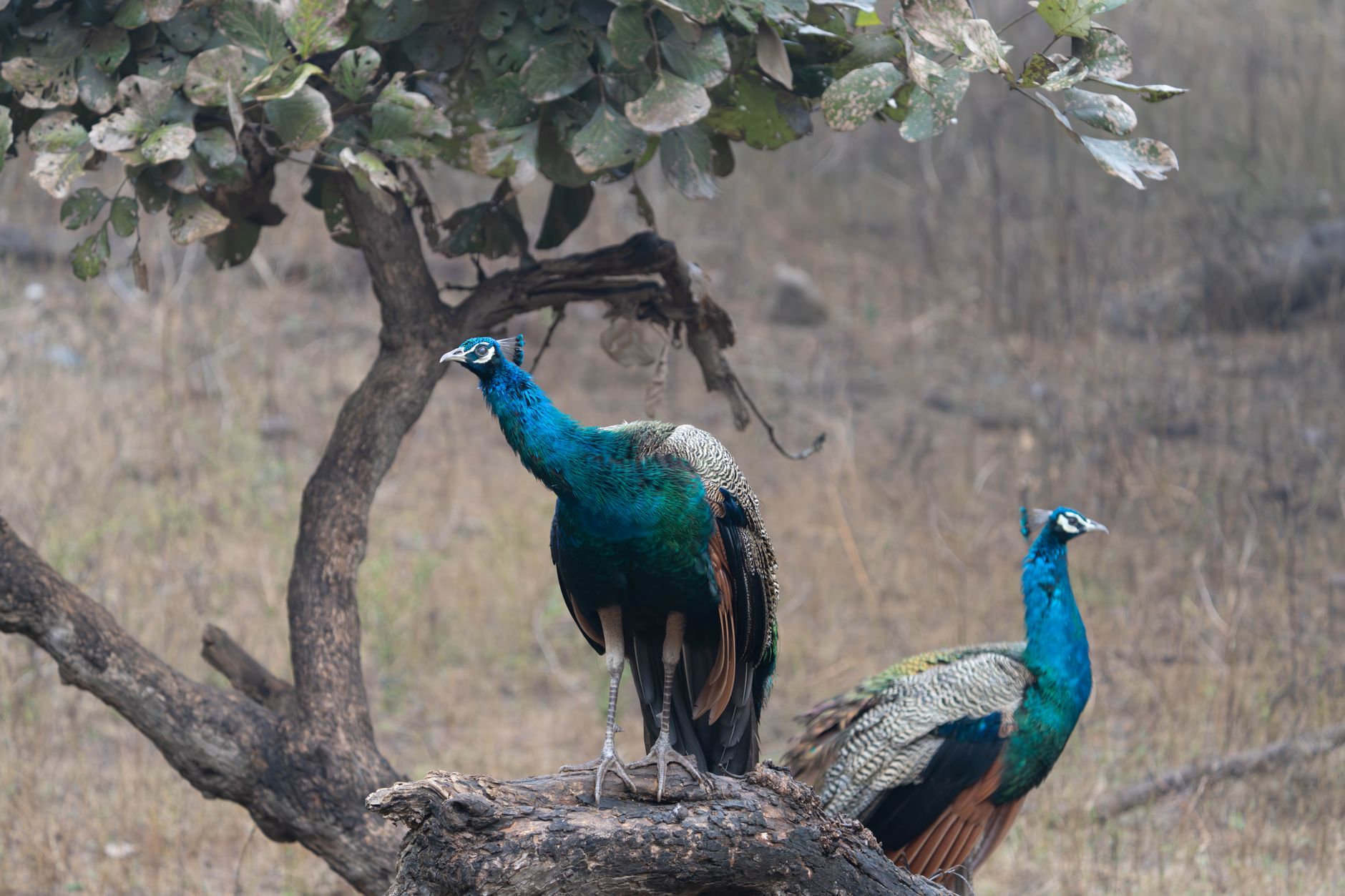
Indian Peafowl: A Common Sight

The Indian Peafowl ( Pavo cristatus), native to the Indian subcontinent, is the most familiar and widespread species. Due to its relatively large and stable population, it is classified as Least Concern by the International Union for Conservation of Nature (IUCN). They thrive in various habitats, including forests, grasslands, and cultivated areas. Human intervention, through domestication and introduction to new environments, has further bolstered their numbers in many regions. Therefore, when considering are peacocks endangered?, it’s important to remember this species is doing well.
Green Peafowl: A Species in Decline
The Green Peafowl (Pavo muticus), found in Southeast Asia, faces a far graver situation. Its population has drastically declined due to habitat loss, hunting, and the illegal wildlife trade. The IUCN classifies the Green Peafowl as Endangered. This means they face a very high risk of extinction in the wild. Urgent conservation measures are needed to protect this magnificent species from disappearing altogether. This brings a stark contrast to the Indian Peafowl, highlighting that are peacocks endangered? is really about a specific species.
Threats to Peafowl Populations
Both species of peafowl face a range of threats, although the Green Peafowl is disproportionately affected:
- Habitat Loss: Deforestation, agricultural expansion, and infrastructure development destroy and fragment peafowl habitats.
- Hunting and Poaching: Peafowl are hunted for their meat, feathers, and ornamental value. They are also sometimes targeted as agricultural pests.
- Illegal Wildlife Trade: Live peafowl and their feathers are traded illegally for ornamental purposes and traditional medicine.
- Hybridization: In some areas, hybridization between Green and Indian Peafowl poses a threat to the genetic integrity of the Green Peafowl.
Conservation Efforts
Various conservation efforts are underway to protect peafowl populations, particularly the Green Peafowl:
- Habitat Protection: Establishing and managing protected areas, such as national parks and wildlife reserves, to safeguard crucial peafowl habitats.
- Anti-Poaching Measures: Implementing stricter law enforcement and patrolling to deter hunting and poaching activities.
- Community Involvement: Engaging local communities in conservation efforts by providing alternative livelihoods and promoting sustainable resource management.
- Captive Breeding Programs: Establishing captive breeding programs to augment wild populations and maintain genetic diversity.
- Research and Monitoring: Conducting research to understand peafowl ecology and population dynamics, and monitoring populations to assess the effectiveness of conservation efforts.
Distinguishing Indian and Green Peafowl
| Feature | Indian Peafowl (Pavo cristatus) | Green Peafowl (Pavo muticus) |
|---|---|---|
| Native Region | Indian Subcontinent | Southeast Asia |
| Conservation Status | Least Concern | Endangered |
| Male Plumage | Blue body, iridescent train | Green body, bronze-green train |
| Female Plumage | Brown | Greenish |
| Distribution | Widespread | Fragmented |
Why the Confusion?
The question “Are peacocks endangered?” is often misunderstood due to the common association of the term “peacock” with the more familiar Indian Peafowl. However, the Green Peafowl’s precarious situation necessitates a more nuanced understanding of peafowl conservation. Educating the public about the plight of the Green Peafowl is crucial to garnering support for conservation efforts.
The Future of Peafowl
The future of peafowl populations hinges on effective conservation efforts. While the Indian Peafowl appears secure for now, continued monitoring is essential to detect any potential threats. The Green Peafowl, on the other hand, requires immediate and sustained conservation action to prevent its extinction. By understanding the challenges facing these magnificent birds, we can contribute to their long-term survival and ensure that future generations can marvel at their beauty.
Frequently Asked Questions (FAQs)
What is the difference between a peacock and a peahen?
A peacock is the male peafowl, known for its elaborate and colorful plumage, particularly its long train. A peahen is the female peafowl, which has less vibrant coloration and lacks the long train. Together, they are referred to as peafowl.
Where do peacocks live in the wild?
Indian Peafowl are native to the Indian subcontinent, including India, Sri Lanka, and Pakistan. Green Peafowl are native to Southeast Asia, including countries like Myanmar, Thailand, and Indonesia. They often inhabit forested areas, grasslands, and agricultural landscapes.
Why is the Green Peafowl endangered?
The Green Peafowl is endangered primarily due to habitat loss, hunting, and the illegal wildlife trade. Deforestation for agriculture and development, coupled with poaching for their meat and feathers, has significantly reduced their population.
What can be done to help save the Green Peafowl?
Conservation efforts to save the Green Peafowl include protecting their habitat, implementing anti-poaching measures, engaging local communities in conservation, establishing captive breeding programs, and conducting research and monitoring to understand their needs.
Are peacocks protected by law?
In many countries, peacocks are protected by law, either as endangered species or as species of conservation concern. Hunting, trapping, and trading peafowl are often prohibited or regulated to protect their populations.
What is the lifespan of a peacock?
In the wild, peacocks typically live for 15-20 years. In captivity, where they are protected from predators and have access to consistent food and veterinary care, they can live even longer, sometimes up to 30 years.
Do peacocks migrate?
Peacocks are not migratory birds. They typically stay within a relatively small home range throughout their lives, although they may move locally in search of food or suitable breeding grounds.
What do peacocks eat?
Peacocks are omnivores and have a varied diet. They eat insects, seeds, fruits, grains, small reptiles, and even snakes. They forage on the ground, using their strong beaks to probe for food.
How do peacocks attract mates?
Male peacocks attract mates through a spectacular display of their elaborate tail feathers. They fan out their train, displaying the iridescent eyespots, and perform a vibrating display to impress peahens. This courtship ritual is crucial for reproduction.
Are peacocks good pets?
While some people keep peacocks as pets, they are not ideal domestic animals. They require a large, secure outdoor space to roam, can be noisy, and may be destructive. Their care also requires specialized knowledge and resources.
How many Green Peafowl are left in the wild?
Estimates vary, but it is believed that there are only around 10,000 – 20,000 Green Peafowl remaining in the wild. This small population size highlights the urgent need for conservation efforts.
How can I help protect peacocks?
You can support peacock conservation by donating to conservation organizations, raising awareness about the plight of the Green Peafowl, and supporting sustainable practices that protect their habitats.