
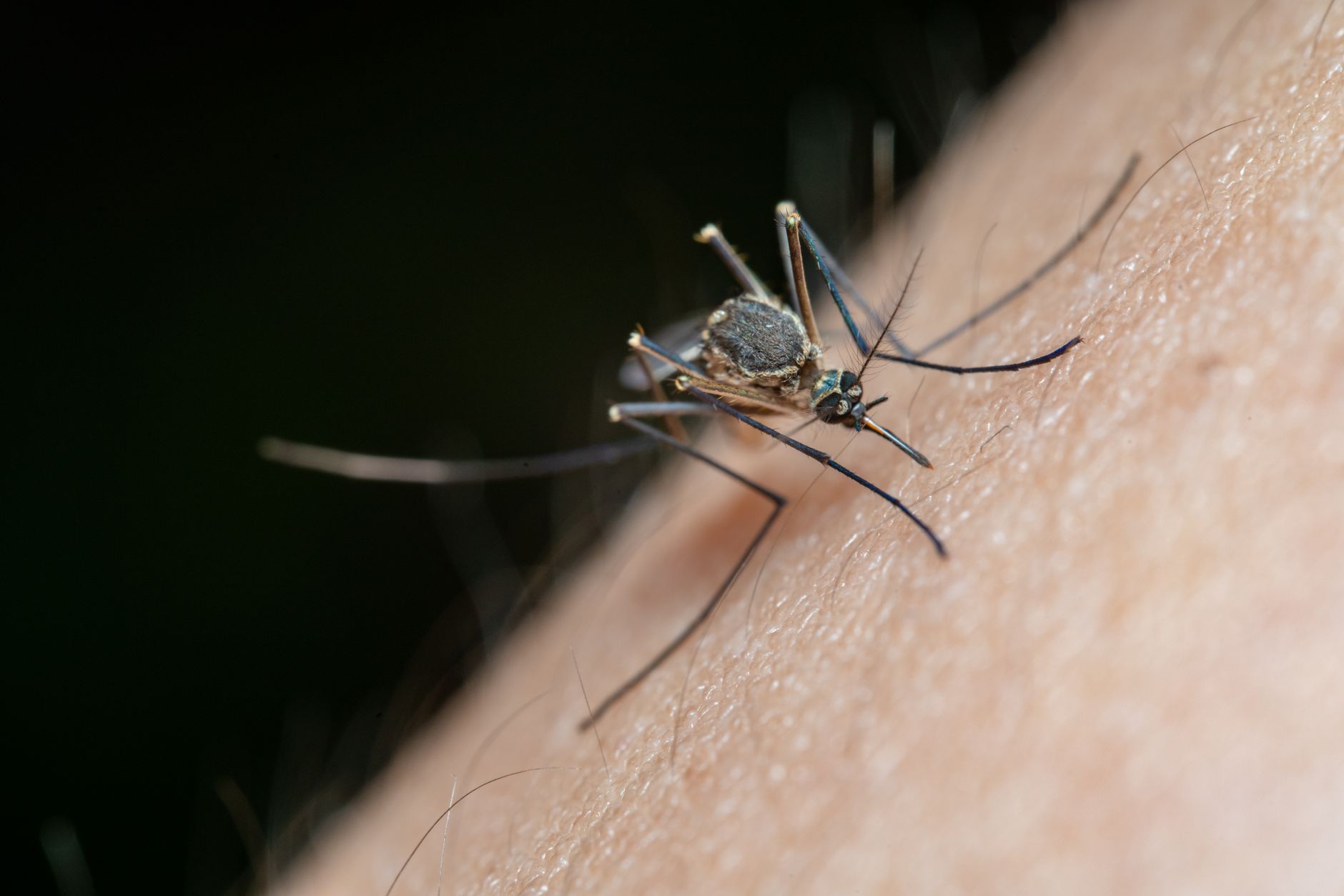
Are Mosquito Larvae Safe to Feed Fish?
The answer is a resounding yes, with proper precautions! Mosquito larvae can be an incredibly nutritious and enriching food source for many fish species, promoting vibrant coloration and healthy growth.
Introduction: A Natural Food Source
For aquarium enthusiasts and aquaculture professionals alike, the quest for optimal fish food is a never-ending pursuit. While commercially available fish food offers convenience, many keepers are drawn to the idea of supplementing their fishes’ diets with natural food sources. One such source that often raises questions and concerns is mosquito larvae.
Understanding the benefits and potential risks associated with feeding mosquito larvae to fish is crucial for responsible fish keeping. This article aims to provide a comprehensive guide, addressing common concerns and offering practical advice on safely incorporating mosquito larvae into your fish feeding routine.
Are fish heads good for the garden?
Can fish hear water?
What is cotton rot in fish?
What colours are fish most attracted to?
The Nutritional Benefits of Mosquito Larvae

Mosquito larvae are more than just tiny wigglers; they are a concentrated source of essential nutrients. These larvae are packed with:
- Protein: Crucial for growth and tissue repair.
- Fats: Provide energy and support healthy organ function.
- Vitamins: Contribute to overall health and disease resistance.
- Minerals: Essential for bone development and various metabolic processes.
This rich nutritional profile makes mosquito larvae an excellent supplement to commercial fish food, leading to improved health, coloration, and breeding success.
Safely Harvesting and Preparing Mosquito Larvae
The key to safely feeding mosquito larvae to fish lies in proper harvesting and preparation. The goal is to ensure that the larvae are free from pollutants and parasites. Here’s a step-by-step process:
- Create a Breeding Ground: Use a clean container filled with dechlorinated water. Add some decaying organic matter (e.g., dried leaves) to attract mosquitoes.
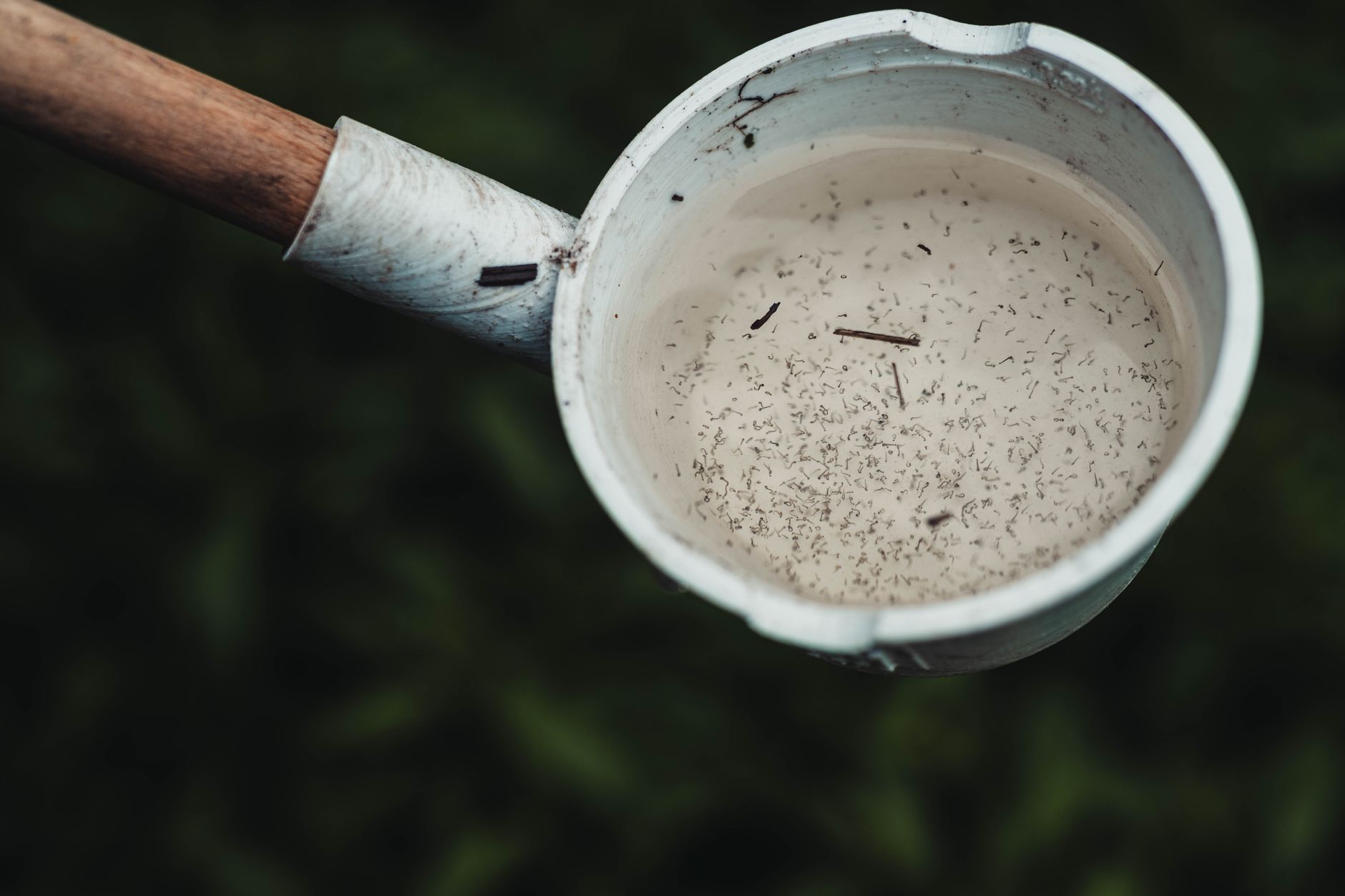
- Collect the Larvae: After a few days, mosquito larvae will begin to appear. Use a fine-mesh net to scoop them out.
- Quarantine and Observation: Place the collected larvae in a separate container with clean, dechlorinated water for at least 24 hours. This allows you to observe them for any signs of illness or contamination.
- Rinsing: Before feeding, rinse the larvae thoroughly with clean, dechlorinated water to remove any debris.
Potential Risks and How to Mitigate Them
While mosquito larvae offer numerous benefits, it’s crucial to acknowledge potential risks:
- Contamination: Mosquito larvae can be exposed to pollutants, pesticides, or parasites in their breeding environment.
- Disease Transmission: Although rare, there’s a theoretical risk of transmitting diseases to your fish if the larvae are infected.
- Introduction of Pests: Accidentally introducing other aquatic insects or snails along with the larvae.
To mitigate these risks:
- Use Dechlorinated Water: This eliminates harmful chemicals that could contaminate the larvae.
- Control the Breeding Environment: Only breed larvae in a controlled, clean environment.
- Quarantine and Observe: This crucial step allows you to identify and remove any potentially harmful larvae.
- Avoid Wild Collection: Do not collect larvae from stagnant ponds or ditches, as these are more likely to be contaminated.
Common Mistakes to Avoid
Many aquarium keepers make mistakes when first attempting to feed their fish mosquito larvae. Here are a few common errors to avoid:
- Overfeeding: Mosquito larvae are highly nutritious. Overfeeding can lead to obesity and other health problems in fish.
- Neglecting Quarantine: Failing to quarantine the larvae is a significant risk, potentially introducing diseases or pests into your aquarium.
- Using Contaminated Water: Breeding larvae in tap water without dechlorinating it can be harmful.
- Ignoring the Source: Collecting larvae from unknown sources increases the risk of contamination.
Examples of Fish that Benefit
Many fish species benefit from a diet supplemented with mosquito larvae. These include:
- Betta Fish: Enhances color and promotes breeding.
- Guppies: Supports healthy growth and vibrant coloration.
- Tetras: Provides essential nutrients for overall health.
- Killifish: A natural food source for these insectivores.
- Cichlids: Offer variety and natural feeding behaviour.
However, not all fish are suitable for this type of food. Herbivorous fish will likely not be interested in mosquito larvae. Always research the dietary needs of your fish species before introducing any new food.
Comparative Analysis: Mosquito Larvae vs. Commercial Fish Food
| Feature | Mosquito Larvae | Commercial Fish Food |
|---|---|---|
| Nutritional Value | High in protein, fats, vitamins | Variable, depends on the brand |
| Cost | Low, often free | Can be expensive |
| Risk | Potential for contamination | Low |
| Convenience | Requires harvesting and preparation | Highly convenient |
| Enrichment | Stimulates natural feeding behavior | Limited |
Supplementing Commercial Feed
Mosquito larvae should not be seen as a replacement for high-quality commercial fish food but rather as a valuable supplement. A balanced diet that includes both provides the best of both worlds: the convenience and consistency of commercial food, combined with the nutritional benefits and enrichment provided by mosquito larvae. Offer mosquito larvae in small quantities, a few times a week, to supplement the staple diet of your fish.
Alternative Live Foods
If you’re uncomfortable with the idea of feeding mosquito larvae, several other live food options are available, including:
- Daphnia: Small crustaceans that are easy to culture.
- Brine Shrimp: A readily available and nutritious option.
- Bloodworms: Larvae of nonbiting midges.
- Grindal Worms: Small worms suitable for smaller fish.
These alternatives offer similar benefits to mosquito larvae and can be a good option for those concerned about the risks.
Sustainable Fishkeeping
Using mosquito larvae as fish food can be a sustainable practice when done responsibly. By breeding your own larvae in a controlled environment, you can reduce your reliance on commercially produced fish food and contribute to a more sustainable aquarium ecosystem. This method also transforms what is typically regarded as a nuisance into a valuable resource for your fish.
Conclusion: A Valuable Resource with Proper Care
Are mosquito larvae safe to feed fish? Absolutely, provided that you take the necessary precautions. By carefully harvesting, preparing, and monitoring the larvae, you can safely provide your fish with a highly nutritious and enriching food source, enhancing their health and well-being. Integrating mosquito larvae into your fish feeding regimen, when done responsibly, offers a fulfilling and sustainable approach to fishkeeping.
Frequently Asked Questions
Are mosquito larvae harmful to humans if handled?
Mosquito larvae themselves do not bite or transmit diseases to humans. The risk lies in the potential for the adult mosquitoes that they will become to bite and potentially transmit diseases. Therefore, control measures should be in place to prevent the larvae from developing into adults.
How can I prevent mosquito larvae from becoming adult mosquitoes?
To prevent larvae from maturing into adult mosquitoes, completely seal the container where they are bred. Regularly harvest the larvae to interrupt their life cycle. You can also add a small amount of fish-safe oil to the surface of the water, which will suffocate the larvae.
What size larvae are best for feeding fish?
The size of the larvae should be appropriate for the size of the fish. Smaller fish require smaller larvae, while larger fish can consume larger larvae. Start with smaller larvae and observe your fish’s feeding response to determine the optimal size.
Can I feed mosquito larvae to my fish every day?
While mosquito larvae are nutritious, they should not be the sole source of food for your fish. Overfeeding can lead to health problems. It’s best to offer them as a supplement to a balanced commercial diet a few times a week.
How do I know if the mosquito larvae are contaminated?
Look for signs of illness or contamination, such as unusual behavior, discoloration, or the presence of other unwanted organisms. If you suspect contamination, discard the larvae and start a new batch with fresh water and a clean container.
What type of container is best for breeding mosquito larvae?
Use a clean, food-grade container with a wide opening to facilitate harvesting. Avoid using containers that have previously held pesticides or other harmful chemicals. A dark-colored container can help retain heat, promoting faster larvae development.
How long does it take for mosquito larvae to develop?
The development time depends on the temperature and species of mosquito. In warm conditions, larvae can mature into pupae in as little as a week. Regularly monitor your breeding container to prevent them from becoming adults.
Is it safe to collect mosquito larvae from rain barrels?
While rain barrels can be a source of mosquito larvae, it’s generally not recommended to use them for feeding fish. Rainwater can be contaminated with pollutants from rooftops and the surrounding environment. It is better to create a controlled breeding environment.
What do mosquito larvae eat?
Mosquito larvae primarily feed on organic matter in the water, such as algae, bacteria, and decaying leaves. Adding some dried leaves or a small amount of fish food to the breeding container can provide them with a food source.
Will mosquito larvae harm my aquarium plants?
Mosquito larvae typically do not harm aquarium plants. They primarily feed on microscopic organisms and decaying organic matter, leaving healthy plants untouched.
How can I tell the difference between mosquito larvae and other aquatic insects?
Mosquito larvae have a distinctive wiggling movement and a siphon tube at their tail end, which they use to breathe. They also hang upside down at the water’s surface. Other aquatic insects may have different body shapes, swimming patterns, or breathing structures.
Are all species of mosquito larvae safe to feed fish?
Most mosquito larvae are safe to feed fish, but it’s best to avoid larvae from areas known to have disease-carrying mosquitoes, like those that transmit West Nile Virus. Focus on creating a controlled breeding environment with non-disease-vectoring mosquito species to minimize any potential risks.