
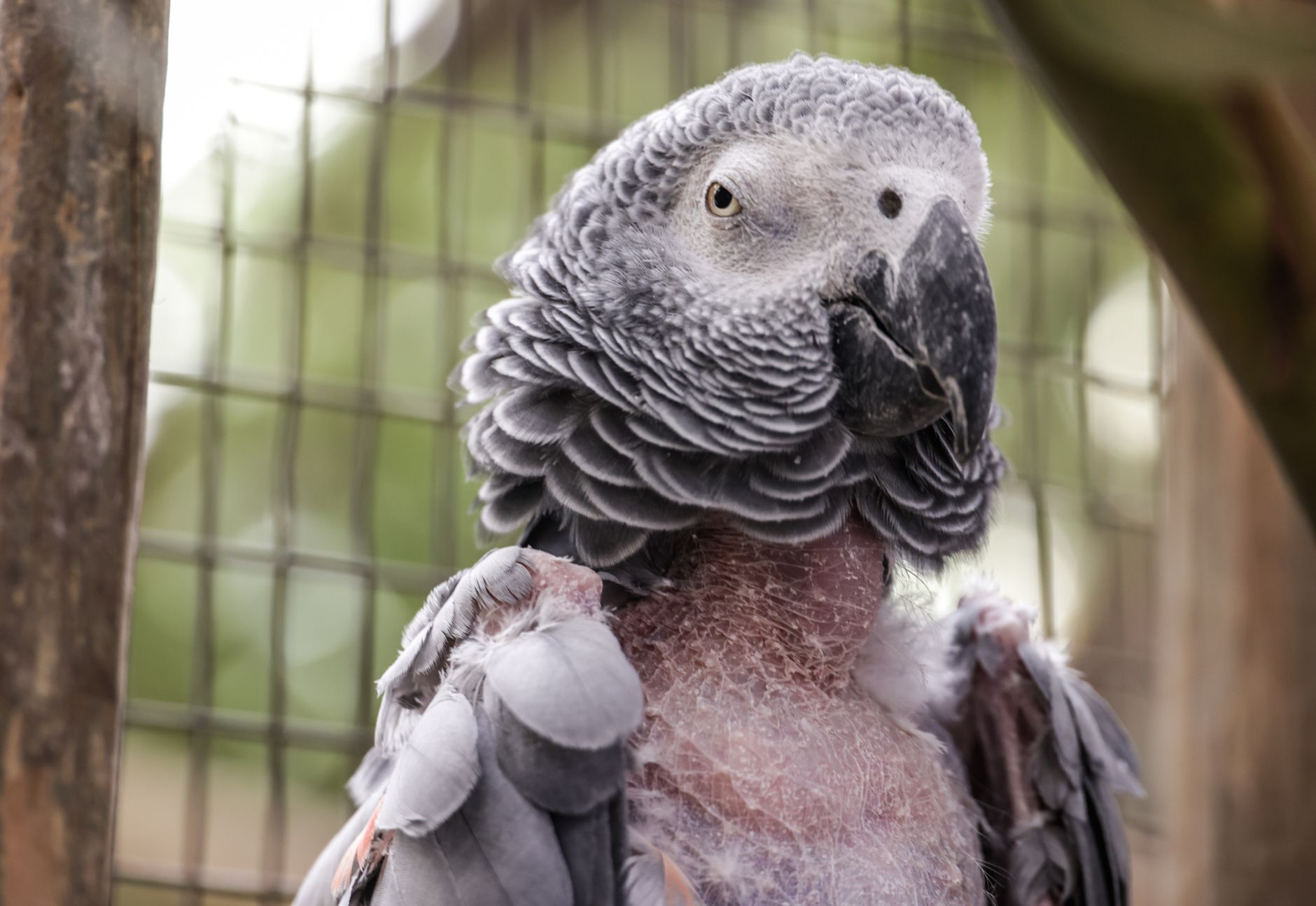
Are Mites on Birds Bad? Exploring the Impact of Avian Mites
Are mites on birds bad? Yes, mites can be detrimental to bird health, causing irritation, feather damage, anemia, and potentially transmitting diseases; however, the severity depends on the mite species, infestation level, and the bird’s overall health.

Introduction to Avian Mites
Birds are hosts to a diverse range of parasites, and mites are among the most common and frequently encountered. These tiny arthropods can be found on various parts of a bird’s body, from their feathers to their skin, and even within their respiratory system. Understanding the impact of these mites is crucial for bird owners, breeders, conservationists, and anyone concerned with avian welfare. We will explore the different types of mites that affect birds, the potential harm they can cause, and effective strategies for managing and preventing mite infestations.

What colours are fish most attracted to?
Can you put your finger in a trout's mouth?
Is methylene blue anti bacterial?
Does aquarium salt raise pH in aquarium?
Types of Mites Found on Birds

Identifying the specific type of mite is vital for effective treatment. Different mites have varying life cycles, feeding habits, and preferences for host species.
- Feather Mites: These mites feed on feather debris and oils, causing feather damage and a dull appearance. Commonly found in wild and domestic birds.
- Red Mites (Dermanyssus gallinae): These blood-sucking mites are particularly problematic in poultry houses. They feed at night, causing anemia and stress.
- Scaly Leg Mites (Knemidocoptes mutans): These mites burrow into the skin of the legs and feet, causing thickened, scaly lesions. Most common in chickens and other poultry.
- Air Sac Mites (Sternostoma tracheacolum): These mites infest the respiratory tract, causing breathing difficulties. Often seen in canaries and finches.
- Northern Fowl Mites (Ornithonyssus sylviarum): Similar to red mites but remain on the host for extended periods. Highly aggressive and can cause severe irritation.
Potential Harm Caused by Mites
The presence of mites can have a range of negative consequences for birds. The impact varies depending on the type of mite, the number of mites present, and the overall health of the bird.
- Irritation and Itching: Mites can cause intense itching, leading birds to preen excessively, which can damage feathers and skin. This can create open wounds, increasing the risk of secondary infections.
- Feather Damage: Some mites feed directly on feathers, causing them to become brittle, broken, or even fall out. Severe feather damage can affect a bird’s ability to fly and regulate its body temperature.
- Anemia: Blood-sucking mites can cause anemia, especially in young or weakened birds. Heavy infestations can be fatal.
- Stress: Mite infestations can cause significant stress, which can weaken the immune system and make birds more susceptible to other diseases.
- Disease Transmission: Some mites can act as vectors, transmitting diseases from one bird to another.
- Reduced Productivity: In poultry, mite infestations can lead to decreased egg production and weight gain.
Diagnosis of Mite Infestations
Recognizing a mite infestation early is crucial for effective treatment. Signs of mite infestation in birds may include:
- Excessive preening or scratching
- Feather loss or damage
- Scabby or scaly lesions on the legs or feet
- Pale comb or wattles (in poultry, indicating anemia)
- Respiratory distress (in cases of air sac mites)
- Visible mites on the bird or in the environment.
A veterinarian or avian specialist can confirm a mite infestation through physical examination, microscopic examination of feather or skin scrapings, or fecal samples.
Treatment and Prevention Strategies
Treatment strategies vary depending on the type of mite and the severity of the infestation.
- Acaricides: Insecticides specifically designed to kill mites can be applied topically, orally, or as a spray. Always follow the instructions carefully and consult with a veterinarian before using any acaricide.
- Ivermectin: This antiparasitic drug is effective against a range of mites, but it should only be used under veterinary supervision. Ivermectin is often used for treating air sac mites and scaly leg mites.
- Cleaning and Disinfection: Thoroughly cleaning and disinfecting the bird’s environment is essential to eliminate mites and prevent re-infestation. Pay attention to roosts, nests, and other areas where mites may hide.
- Dust Baths: Providing birds with access to dust baths can help them to naturally control mite populations. The dust helps to smother and dislodge mites.
- Predatory Mites: Introducing predatory mites can help to control mite populations in poultry houses and aviaries. These beneficial mites feed on other mite species, providing a natural form of pest control.
Common Mistakes in Mite Control
Effective mite control requires a comprehensive approach and careful attention to detail. Common mistakes to avoid include:
- Using inappropriate treatments: Not all acaricides are safe or effective for all bird species. Always consult with a veterinarian before using any treatment.
- Neglecting environmental control: Treating the bird alone is often not enough. Mites can survive in the environment and re-infest the bird.
- Overusing acaricides: Excessive use of acaricides can lead to resistance and harm the bird.
- Ignoring underlying health problems: Birds with weakened immune systems are more susceptible to mite infestations. Addressing any underlying health problems can help to improve their resistance.
Long-Term Management of Mites in Bird Populations
Long-term mite management requires a multi-faceted approach that focuses on prevention, early detection, and integrated pest management strategies. Regular monitoring of birds for signs of mite infestation, combined with good hygiene practices and appropriate environmental control measures, can help to minimize the risk of mite problems.
Table: Comparing Common Avian Mites
| Mite Type | Hosts | Primary Symptoms | Treatment Options |
|---|---|---|---|
| Feather Mites | Various birds | Feather damage, dull appearance | Cleaning, acaricides |
| Red Mites | Poultry | Anemia, irritation, decreased egg production | Acaricides, cleaning, environmental control |
| Scaly Leg Mites | Chickens, poultry | Scaly, thickened legs and feet | Ivermectin, topical treatments |
| Air Sac Mites | Canaries, finches | Respiratory distress | Ivermectin, environmental control |
| Northern Fowl Mites | Poultry, wild birds | Irritation, anemia, feather damage | Acaricides, cleaning, predatory mites |
Frequently Asked Questions (FAQs)
Are mites on birds bad?
Yes, mites are often harmful because they can cause a range of problems, from minor irritation to serious health issues. The impact of mites depends on factors like the specific mite species, the degree of infestation, and the bird’s overall health.
Can humans get mites from birds?
While some mites that infest birds can bite humans, they typically cannot live or reproduce on human hosts. These bites can cause temporary itching and irritation but do not usually result in a serious infestation.
What are the signs of mites on birds?
Signs of a mite infestation include excessive preening, feather loss, damaged feathers, scaly legs, pale combs, and visible mites on the bird or in its environment. Early detection is crucial for effective treatment.
How do birds get mites?
Birds can acquire mites through direct contact with infected birds, contaminated environments (e.g., roosts, nests), or from wild birds in the vicinity. Mites can also be transported by humans or other animals.
Are there any natural ways to get rid of mites on birds?
While not always sufficient for severe infestations, dust baths, diatomaceous earth (applied carefully to avoid respiratory irritation), and good hygiene can help control mite populations naturally. These methods are often used as preventative measures.
How often should I clean my bird’s cage to prevent mites?
Regular cleaning is essential. Cages and aviaries should be cleaned at least once a week, with thorough disinfection carried out periodically.
What is the best treatment for scaly leg mites?
Ivermectin is a commonly prescribed treatment for scaly leg mites, along with topical applications of petroleum jelly or mineral oil to smother the mites.
Can wild birds spread mites to my pet birds?
Yes, wild birds can carry mites and transmit them to pet birds. Avoid direct contact between pet birds and wild birds to minimize the risk of mite transmission.
How do I disinfect my bird’s cage to kill mites?
Use a bird-safe disinfectant and thoroughly clean all surfaces, including perches, food dishes, and toys. Rinse thoroughly to remove any disinfectant residue.
Are certain bird species more susceptible to mites than others?
Yes, some bird species, such as canaries and chickens, are particularly susceptible to certain types of mites. Breed-specific predispositions exist.
Is it possible for mites to live in my houseplant?
While it is more common for houseplants to have their own species of mites, some bird mites can temporarily reside in nearby houseplants. Maintaining good hygiene and inspecting plants regularly can help prevent this.
Should I see a veterinarian if I suspect my bird has mites?
Yes, a veterinarian can accurately diagnose a mite infestation and recommend the most appropriate treatment based on the specific type of mite and the bird’s individual needs. Early intervention is crucial to prevent complications.