

Are Mink Still Used For Fur? The Current State of the Fur Industry
Yes, mink are still used for fur, though the industry faces increasing ethical concerns and regulatory challenges. Their fur remains prized for its softness, luster, and durability, continuing to fuel demand in certain markets despite growing opposition.
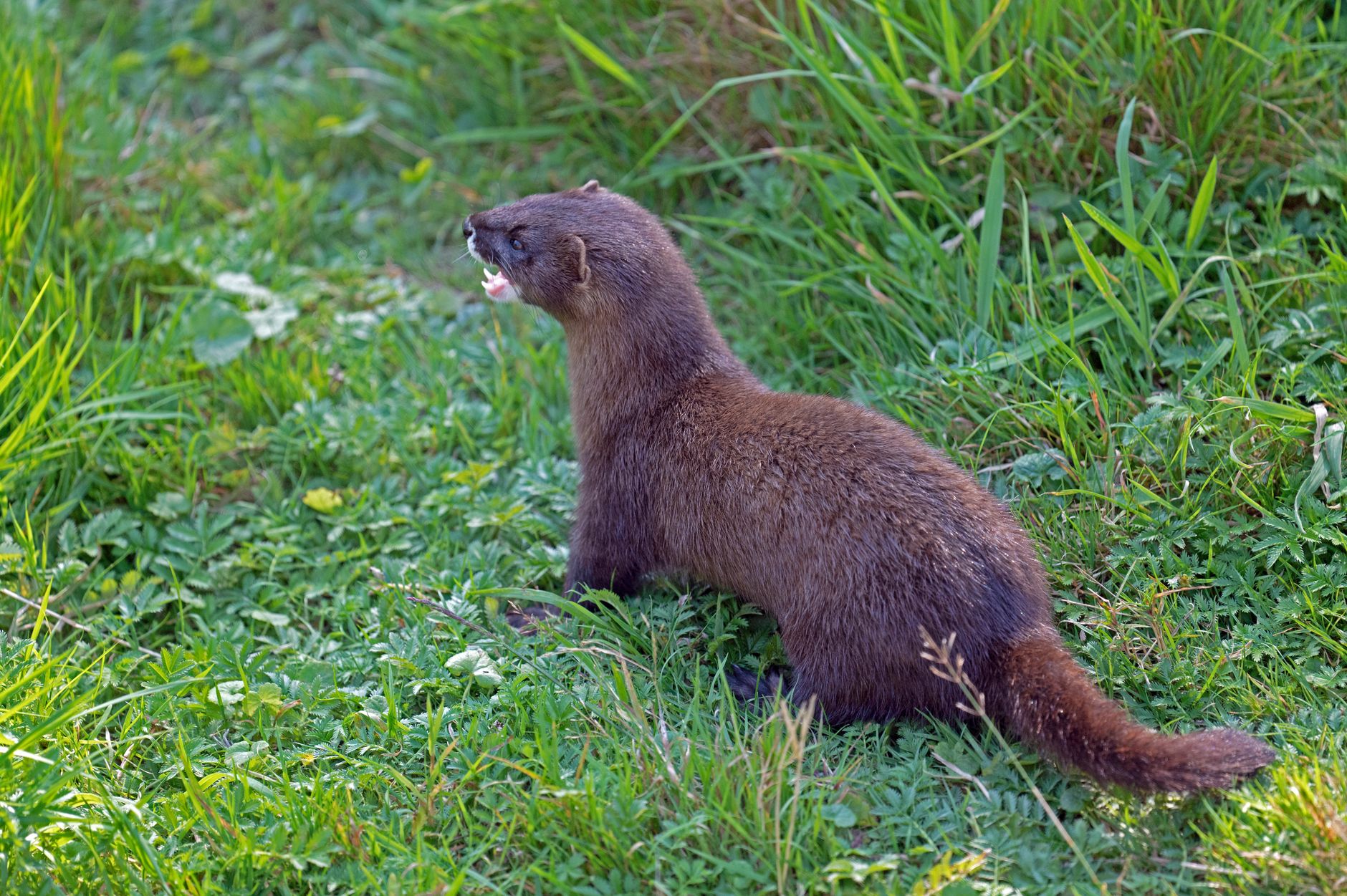
A Historical Overview of Mink Farming
Mink farming, a practice that began in the late 19th century, emerged as a way to produce high-quality fur without relying solely on wild trapping. These small, semi-aquatic mammals, native to North America and Eurasia, possess a luxurious pelt highly sought after in the fashion industry. Initially, the industry focused on ranch-raised mink, selectively bred for desirable fur characteristics, such as color and density. As the demand for fur garments and accessories grew, so did the size and scope of mink farms, particularly in countries like China, Denmark, the Netherlands, and the United States.

What colours are fish most attracted to?
Can you put your finger in a trout's mouth?
Is methylene blue anti bacterial?
Does aquarium salt raise pH in aquarium?
The Allure of Mink Fur: Qualities and Applications

The enduring popularity of mink fur stems from several key attributes:
- Softness: Mink fur boasts an incredibly soft and supple texture, making it comfortable to wear.
- Luster: The fur has a natural sheen, giving garments a luxurious and elegant appearance.
- Durability: Mink fur is known for its durability, capable of withstanding wear and tear for many years with proper care.
- Versatility: It can be dyed in a wide range of colors and used in various applications, from full-length coats to trim on hats and handbags.
These qualities contribute to the perceived value and status associated with mink fur, ensuring its continued presence in high-fashion markets. Are mink still used for fur? Absolutely, and this is largely attributable to its desirable properties.
The Modern Mink Fur Production Process
The mink fur production process typically involves the following steps:
- Breeding: Mink are bred in early spring, with females usually giving birth to 4-5 kits.
- Rearing: The mink are raised in cages on fur farms, fed a diet of meat and fish by-products.
- Pelting: Mink are typically pelted in late autumn or early winter, when their fur is at its prime. Various methods are used, including gas asphyxiation or electrocution.
- Processing: Pelts are then processed, which includes cleaning, stretching, and tanning.
- Manufacturing: Finally, the processed pelts are used to create fur garments and accessories.
The entire process takes approximately seven to eight months.
Ethical Concerns and Animal Welfare Issues
Mink farming has come under intense scrutiny from animal welfare organizations and ethical consumer groups. Common concerns include:
- Confined spaces: Mink are typically kept in small, wire mesh cages, which limit their natural behaviors, such as swimming and hunting.
- Stress and frustration: The unnatural environment can lead to stress, frustration, and repetitive behaviors.
- Pelting methods: Pelting methods are often criticized for their potential for pain and suffering.
- Spread of disease: Highly dense populations of mink on fur farms can be breeding grounds for viruses such as influenza and, most recently, COVID-19.
These ethical concerns have led to calls for stricter regulations, bans on mink farming, and a shift towards cruelty-free alternatives.
Regulatory Landscape and Bans
Several countries and regions have implemented bans or restrictions on mink farming in response to animal welfare and public health concerns. These include:
- Europe: Numerous European countries, including Austria, Belgium, the Czech Republic, Luxembourg, the Netherlands, Norway, Serbia, Slovakia, and the United Kingdom, have banned mink farming.
- United States: Several states, including California, have banned the sale of new fur products, including mink.
- Israel: Israel was the first country to ban the sale of fur.
These bans reflect a growing societal awareness of the ethical issues associated with fur production. While the global trade in mink fur persists, these regulatory changes signify a potential shift towards a more compassionate and sustainable future.
The Impact of COVID-19
The COVID-19 pandemic has significantly impacted the mink fur industry. Several mink farms experienced outbreaks of the virus, leading to mass culls of mink populations to prevent further spread. These events further fueled concerns about the public health risks associated with mink farming and accelerated the movement towards bans and stricter regulations. The pandemic has highlighted the vulnerabilities of the industry and raised serious questions about its long-term viability.
Alternatives to Mink Fur
The increasing awareness of ethical and environmental concerns has spurred the development of alternatives to mink fur. These include:
- Faux fur: Made from synthetic materials like acrylic and polyester, faux fur offers a cruelty-free alternative that mimics the look and feel of real fur. Modern faux furs can be highly realistic and luxurious.
- Recycled materials: Some companies are creating faux fur from recycled materials, such as plastic bottles, further reducing the environmental impact.
- Plant-based alternatives: Innovations in textile technology are exploring plant-based materials, such as hemp and mushroom leather, as sustainable alternatives to fur.
These alternatives provide consumers with ethical and environmentally responsible options that do not contribute to animal suffering or environmental degradation. Are mink still used for fur? They are, but the availability and acceptance of alternatives are growing.
The Future of the Mink Fur Industry
The future of the mink fur industry remains uncertain. While demand persists in some markets, the growing ethical concerns, regulatory challenges, and the availability of alternatives are putting significant pressure on the industry. The long-term viability of mink farming will likely depend on its ability to address animal welfare concerns, adopt more sustainable practices, and adapt to changing consumer preferences.
Frequently Asked Questions (FAQs)
Is mink fur considered a luxury material?
Yes, mink fur is generally considered a luxury material due to its softness, luster, durability, and the high cost associated with its production. It is often used in high-fashion garments and accessories, contributing to its perceived value and status.
How can I identify real mink fur?
Real mink fur is characterized by its softness, lightweight feel, and natural sheen. Examining the base of the fur, you’ll find a dense underfur. It lacks the plastic feel commonly associated with synthetic fabrics. A professional furrier can accurately confirm its authenticity.
Is mink farming cruel to animals?
Many animal welfare organizations consider mink farming cruel due to the confined spaces, restricted natural behaviors, and potentially inhumane pelting methods employed on fur farms.
What are some sustainable alternatives to mink fur?
Sustainable alternatives to mink fur include faux fur made from recycled materials, plant-based fabrics, and reclaimed fur (using fur from vintage garments).
Is it legal to buy and sell mink fur?
The legality of buying and selling mink fur varies by jurisdiction. Some countries and regions have banned mink farming or the sale of new fur products, while others still permit it. Check your local regulations.
How does the environmental impact of mink fur compare to faux fur?
The environmental impact of mink fur is complex. While mink farming can contribute to pollution and resource depletion, the production of faux fur relies heavily on petroleum-based materials, which can also have a significant environmental footprint. Life Cycle Assessments may provide more detailed comparative analyses.
Can I recycle my old mink fur coat?
While traditional recycling methods may not apply, you can repurpose or donate your old mink fur coat. Options include remodeling it into smaller items (like pillows or accessories), donating it to a charity, or selling it to a vintage clothing store.
What are the common colors of mink fur?
Mink fur comes in a wide range of natural and dyed colors. Common natural colors include brown, black, mahogany, and blue iris.
How should I care for a mink fur garment?
To care for a mink fur garment, store it in a cool, dry place away from direct sunlight. Have it professionally cleaned annually and avoid exposing it to excessive moisture or heat.
Are there any fur labeling requirements?
Many countries have fur labeling requirements that mandate disclosure of the animal species, origin, and processing information. These regulations aim to provide consumers with greater transparency about the products they purchase.
How has COVID-19 affected the mink fur industry?
COVID-19 outbreaks on mink farms led to mass culls of mink populations and heightened concerns about public health risks. This resulted in increased pressure on the industry and accelerated the movement towards bans and stricter regulations.
Is the demand for mink fur increasing or decreasing?
The demand for mink fur is generally decreasing due to growing ethical concerns, regulatory challenges, and the availability of alternatives. However, demand may persist in certain niche markets.