
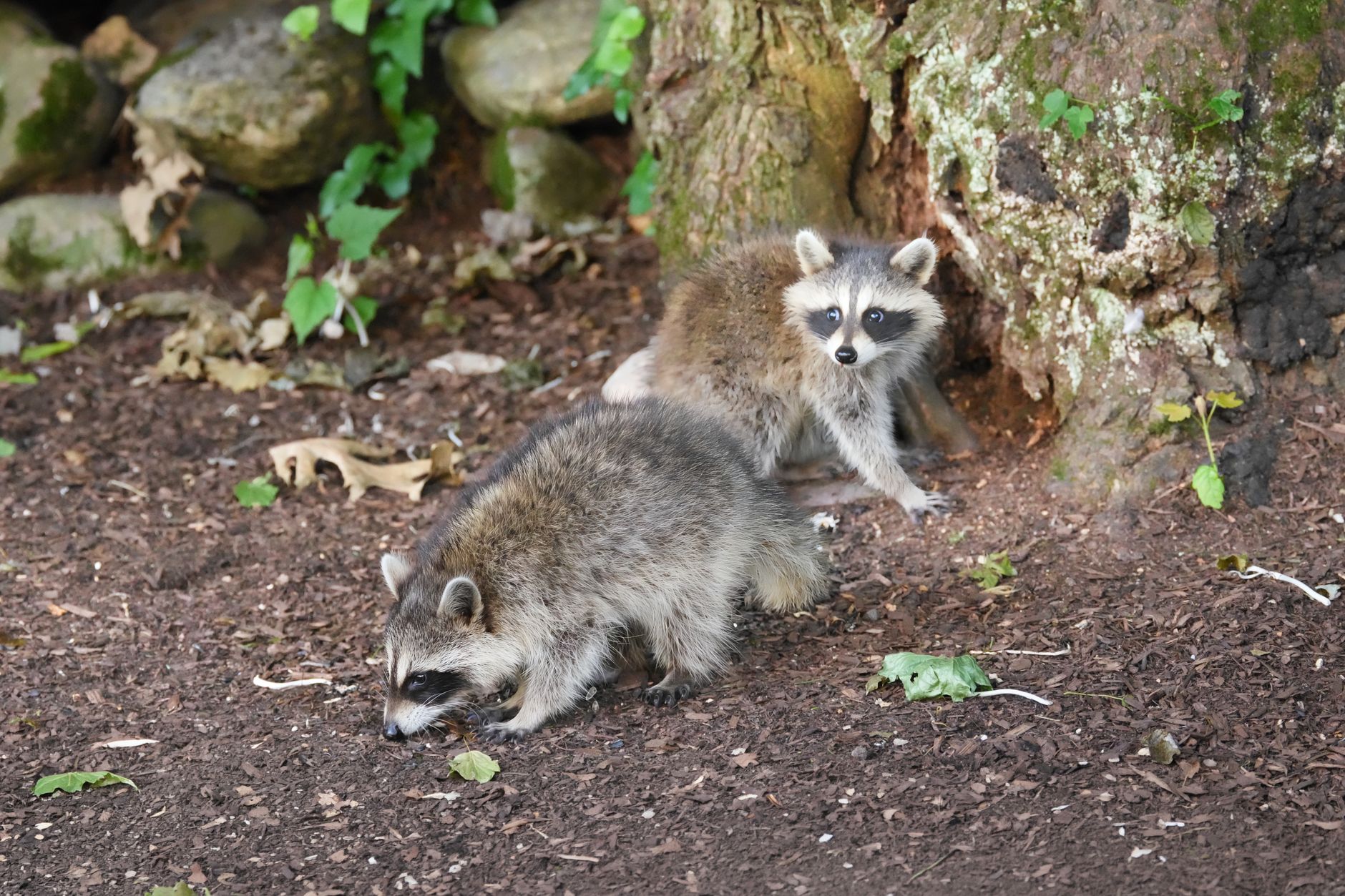
Are Marshmallows Good for Raccoons? The Sticky Truth
While marshmallows might seem like a harmless treat, they are definitely not good for raccoons and can be detrimental to their health and well-being, creating potential dependence and nutritional deficiencies.

Introduction: The Allure of Marshmallows and the Raccoon Dilemma
Raccoons, with their masked faces and nimble paws, are often seen as cute and mischievous creatures. Their adaptability allows them to thrive in various environments, including urban and suburban areas where they often come into contact with humans and, unfortunately, human food. The temptation to feed these animals, particularly with readily available treats like marshmallows, can be strong. However, the seemingly innocent act of offering a marshmallow can have serious consequences for the raccoon’s health and the overall ecosystem. This article will delve into why are marshmallows good for raccoons?, ultimately concluding that they should be avoided.

What colours are fish most attracted to?
Can you put your finger in a trout's mouth?
Is methylene blue anti bacterial?
Does aquarium salt raise pH in aquarium?
The Nutritional Deficiencies of Marshmallows
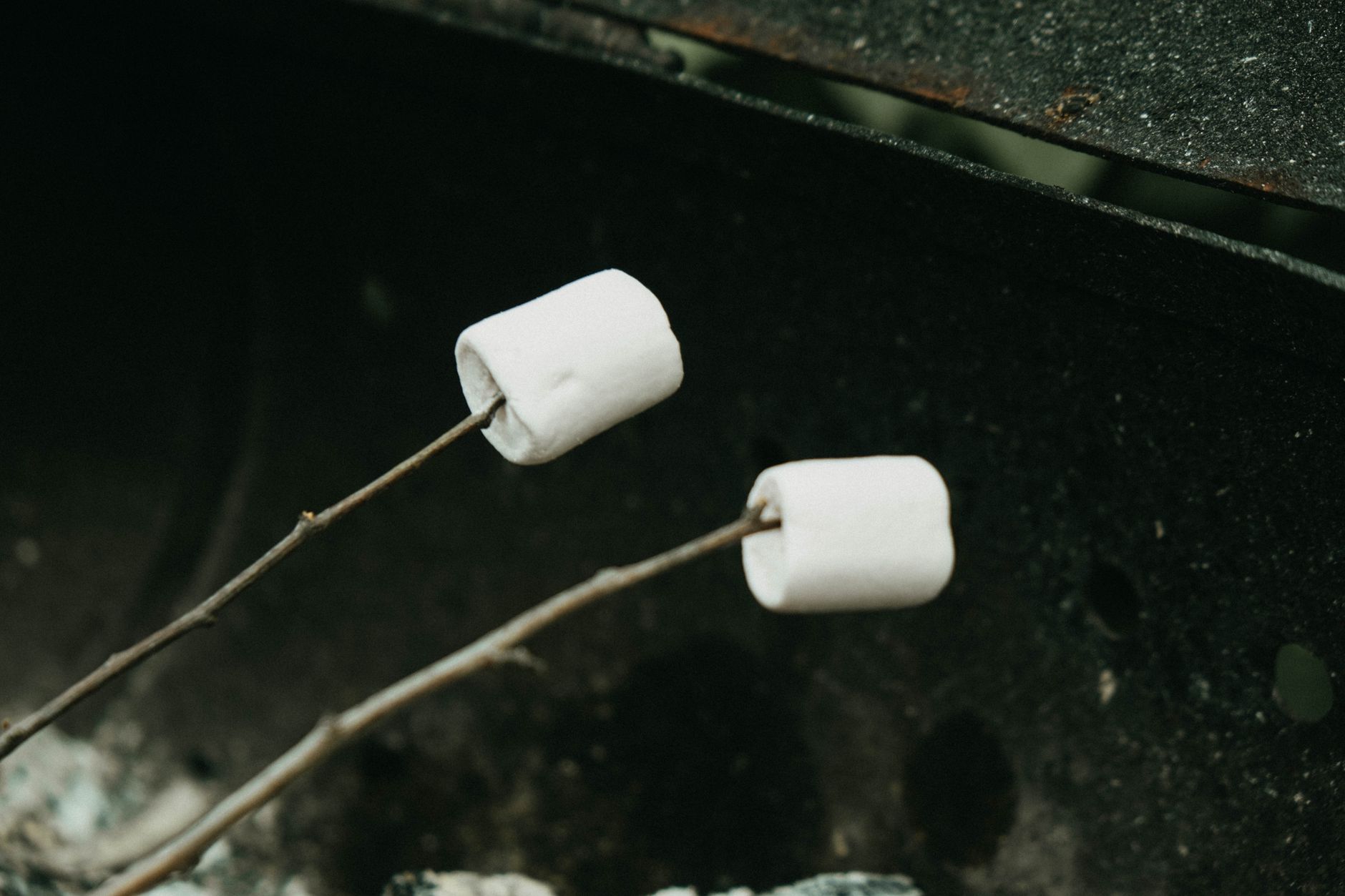
Marshmallows are essentially sugar bombs. They offer little to no nutritional value for raccoons, who require a balanced diet of fruits, nuts, insects, and small animals.
- High Sugar Content: Excessive sugar leads to weight gain, dental problems, and can disrupt their natural metabolic processes.
- Lack of Essential Nutrients: Marshmallows are devoid of the vitamins, minerals, and proteins that raccoons need to survive and thrive.
- Fiber Deficiency: Raccoons require fiber for healthy digestion, something marshmallows lack entirely.
Behavioral and Ecological Impacts
Feeding raccoons marshmallows (or any human food) has far-reaching consequences beyond their individual health.
- Dependence and Altered Foraging Behavior: Raccoons may become dependent on humans for food, reducing their natural foraging skills and making them less self-sufficient.
- Increased Aggression: Feeding can lead to competition among raccoons, increasing aggression and the likelihood of human-animal conflict.
- Overpopulation and Disease: Consistent food sources can contribute to overpopulation, making raccoons more susceptible to disease outbreaks.
- Attraction of Other Pests: Leaving marshmallows out attracts not just raccoons, but also other unwanted pests like rodents and insects.
Responsible Wildlife Observation: Alternatives to Feeding
Instead of feeding raccoons, focus on responsible wildlife observation.
- Keep a Safe Distance: Observe raccoons from afar to avoid stressing them or encouraging them to approach humans.
- Secure Garbage Cans: Ensure your garbage cans are tightly sealed to prevent raccoons from accessing them.
- Remove Potential Food Sources: Clean up any spilled birdseed or pet food that might attract raccoons.
- Educate Others: Share information about the negative impacts of feeding wildlife with your neighbors and community.
Understanding the Raccoon Diet
A balanced diet is critical for a raccoon’s health. Here’s a breakdown of their natural dietary needs:
| Food Group | Example | Nutritional Value |
|---|---|---|
| Fruits | Berries, Apples, Grapes | Vitamins, Minerals, Fiber |
| Nuts & Seeds | Acorns, Walnuts, Sunflower Seeds | Healthy Fats, Protein, Minerals |
| Insects | Grasshoppers, Crickets | Protein, Vitamins, Minerals |
| Small Animals | Mice, Frogs, Fish | Protein, Vitamins, Minerals |
| Vegetables | Roots, Tubers | Vitamins, Minerals, Fiber |
Common Mistakes When Interacting with Raccoons
Even with good intentions, people often make mistakes when interacting with raccoons.
- Leaving Food Out Intentionally: This encourages dependence and alters natural foraging behavior.
- Approaching Raccoons: Raccoons can be unpredictable, and approaching them can lead to bites or scratches.
- Assuming Raccoons are Friendly: Raccoons are wild animals and should be treated with caution, even if they appear tame.
- Ignoring Wildlife Experts: Seek advice from local wildlife rehabilitation centers or animal control officers for guidance on coexisting with raccoons.
Frequently Asked Questions (FAQs)
Is it okay to give raccoons marshmallows just once in a while?
No, even occasional marshmallow treats can be harmful. The high sugar content and lack of nutrients contribute to an unbalanced diet and can encourage raccoons to seek out more human food. Consistency is key in reinforcing natural foraging habits.
Are there any safe human foods to give raccoons?
While it’s best not to feed raccoons at all, small amounts of unsalted nuts or seeds are less harmful than processed foods like marshmallows. However, even these should be avoided to prevent dependence and altered foraging behavior.
What should I do if a raccoon approaches me expecting food?
Do not feed the raccoon. Slowly back away and make loud noises to deter it. Contact your local animal control if the raccoon is aggressive or appears sick.
Are marshmallows dangerous for baby raccoons?
Yes, marshmallows are even more dangerous for baby raccoons. Their developing bodies require specific nutrients, and sugar-laden treats can disrupt their growth and development, potentially leading to long-term health problems.
Can marshmallows cause health problems in raccoons?
Yes, marshmallows can contribute to obesity, dental problems, diabetes, and other health issues in raccoons. These health problems can shorten their lifespan and reduce their overall quality of life.
What is the best way to help a sick or injured raccoon?
Do not attempt to handle a sick or injured raccoon yourself. Contact a local wildlife rehabilitation center or animal control for assistance. They have the expertise and resources to safely care for the animal.
Will feeding raccoons marshmallows make them more likely to bite humans?
Yes, feeding raccoons can increase the likelihood of bites. They may become aggressive when seeking food and may bite if they feel threatened or if food is not readily available.
How do I keep raccoons out of my yard without harming them?
Secure your garbage cans, remove potential food sources, and use motion-activated lights or sprinklers to deter raccoons from entering your yard.
Are raccoons in urban areas more dependent on human food?
Yes, raccoons in urban areas are often more dependent on human food. This is because natural food sources are often scarce, making them more reliant on garbage and handouts.
What are the signs that a raccoon is being fed regularly by humans?
Signs include bold behavior, frequent visits to human areas, and obesity. These raccoons may also exhibit a loss of natural foraging skills.
If marshmallows are bad for raccoons, why do they eat them?
Raccoons are opportunistic omnivores and will eat almost anything, especially if it’s easily accessible. This doesn’t mean the food is good for them, just that they are driven by instinct and hunger.
What should I do if my neighbor is feeding raccoons marshmallows?
Politely explain the negative impacts of feeding raccoons to your neighbor. Share information about the health risks and the importance of preserving their natural foraging behavior. If the behavior continues, contact your local animal control for assistance.