

Are Male or Female Ferrets Better? Choosing the Right Fuzzy Friend
Ultimately, there is no universally “better” ferret – male (“hobs”) and female (“jills”) ferrets each possess distinct personalities and needs. This article explores the unique characteristics of both, helping you decide which gender best suits your lifestyle.
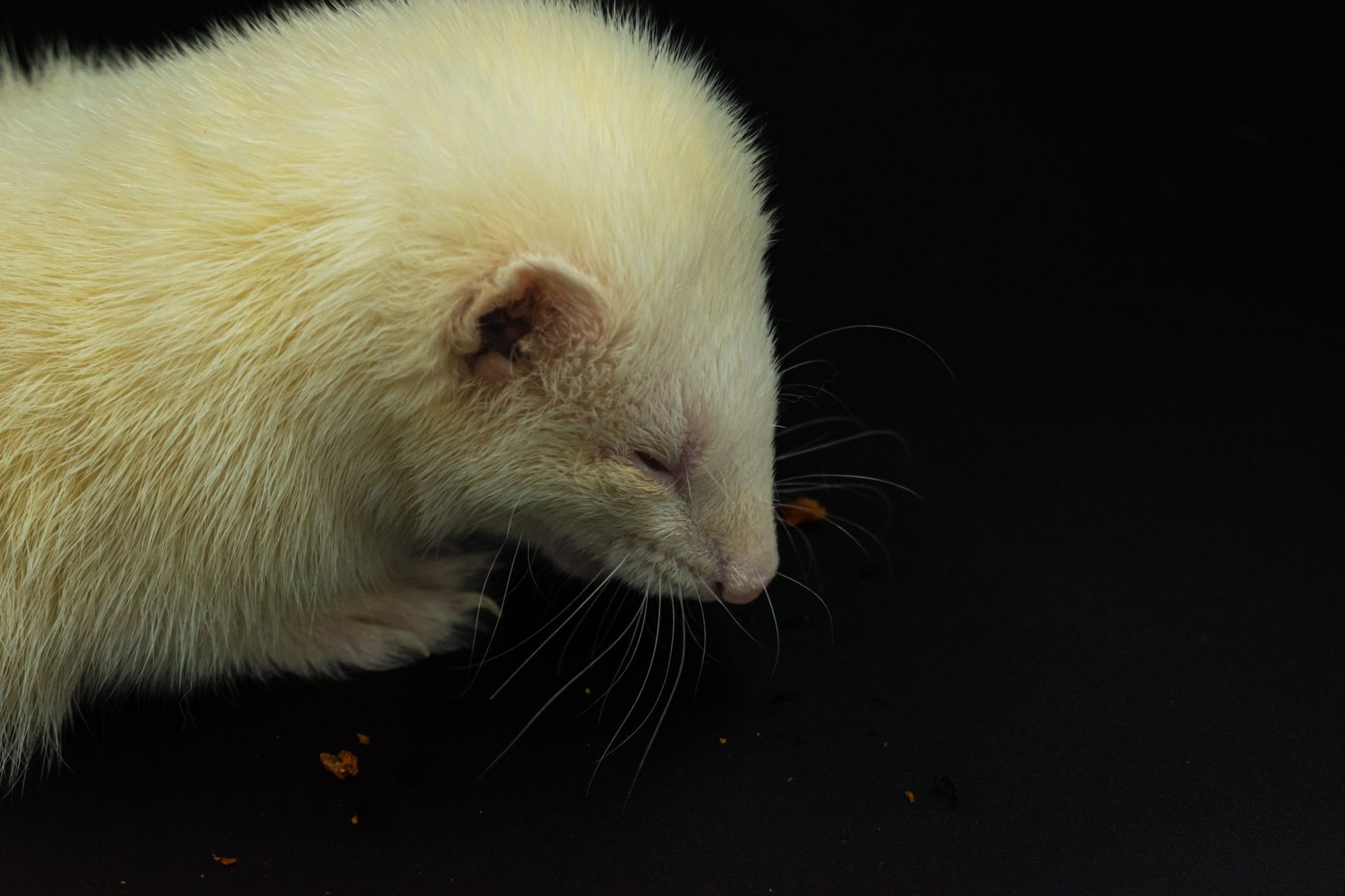
Understanding Ferret Gender Differences
Choosing a ferret is a significant decision, and understanding the differences between male and female ferrets is crucial. While individual personalities always play a role, certain behavioral and physiological tendencies are more common in one gender than the other. Considering these factors can help prospective owners make an informed choice. The question are male or female ferrets better? really depends on your preferences.

Is distilled water good for goldfish?
What colours are fish most attracted to?
Can you put your finger in a trout's mouth?
Is methylene blue anti bacterial?
Male Ferrets (Hobs): Characteristics and Considerations

Male ferrets, known as hobs, are typically larger than females. They also tend to have stronger musk and can exhibit more playful and boisterous behavior. Unneutered hobs possess a very strong odor and can become aggressive, especially during breeding season.
- Size: Hobs are generally larger and heavier than jills.
- Scent: Unneutered hobs have a stronger musk than jills, though neutering significantly reduces this.
- Temperament: They can be more playful and energetic but sometimes more challenging to train if not neutered.
- Potential for Aggression: Unneutered hobs can display aggression, particularly during mating season.
Female Ferrets (Jills): Characteristics and Considerations
Female ferrets, or jills, are usually smaller and more delicate in build compared to hobs. They often have a milder temperament and can be easier to handle. However, unspayed jills can develop a life-threatening condition called aplastic anemia if they are not bred or spayed when they come into heat.
- Size: Jills are generally smaller and lighter than hobs.
- Scent: They have a milder musk compared to unneutered hobs.
- Temperament: Jills are often perceived as gentler and easier to handle, though individual personalities vary.
- Health Risks: Unspayed jills are at risk of developing aplastic anemia if left in heat.
Spaying and Neutering: Essential for Ferret Health
Spaying and neutering are essential for the health and well-being of pet ferrets, regardless of gender. These procedures eliminate the undesirable behaviors and health risks associated with intact animals.
- Health Benefits: Prevent reproductive cancers and life-threatening conditions like aplastic anemia in jills.
- Behavioral Changes: Significantly reduces aggression, territorial marking, and the strong musk odor in hobs.
- Socialization: Makes ferrets easier to handle and integrate into multi-ferret households.
Behavioral Differences: A Closer Look
While generalizations exist, individual personality plays a significant role in a ferret’s behavior. However, some tendencies are more common in each gender. Hobs can be more rambunctious and prone to exploring, while jills are often more reserved and cautious. Observing ferrets’ behavior before adopting can provide valuable insights.
The question of are male or female ferrets better? often comes down to observing their individual behavior before committing to a pet.
Considerations for Multi-Ferret Households
Introducing ferrets to an existing ferret family requires careful planning and supervision. Spayed/neutered ferrets generally get along better, but personality clashes can still occur. Jills may sometimes be more territorial than hobs, particularly with other jills. Observing their interactions during initial introductions is crucial for establishing a harmonious environment.
Choosing the Right Ferret for You
When deciding are male or female ferrets better?, consider your lifestyle and expectations.
- Space: Both genders need ample space to play and explore.
- Time Commitment: Ferrets require daily interaction and playtime.
- Experience: First-time ferret owners might find jills slightly easier to handle, but well-socialized hobs can also make excellent pets.
- Personal Preference: Ultimately, the best choice depends on your individual preferences and the specific ferret’s personality.
Table: Comparing Male (Hobs) and Female (Jills) Ferrets
| Feature | Male (Hob) | Female (Jill) |
|---|---|---|
| Size | Larger | Smaller |
| Scent | Stronger (if unneutered) | Milder |
| Temperament | More playful, sometimes more boisterous | Often gentler and more reserved |
| Health Risks | Aggression (if unneutered) | Aplastic anemia (if unspayed and left in heat) |
| Spaying/Neutering | Highly recommended | Highly recommended |
Frequently Asked Questions (FAQs)
What is aplastic anemia in female ferrets?
Aplastic anemia is a life-threatening condition that can occur in unspayed jills when they remain in heat for extended periods. The prolonged exposure to estrogen suppresses bone marrow function, leading to a severe decrease in red blood cell production. This requires immediate veterinary intervention and can be fatal.
Are male ferrets more aggressive than female ferrets?
Unneutered hobs are more prone to aggression than jills, especially during breeding season. This aggression is primarily driven by hormonal influences and territorial instincts. Neutering significantly reduces this tendency, making male ferrets generally as docile as females.
Do male ferrets smell more than female ferrets?
Unneutered male ferrets have a stronger musk than unspayed female ferrets, due to higher levels of testosterone. However, spaying or neutering dramatically reduces the scent in both genders, making the difference negligible.
Are female ferrets easier to train than male ferrets?
There is no definitive evidence that one gender is inherently easier to train than the other. Trainability largely depends on individual personality, consistency in training methods, and the ferret’s level of socialization.
What age should I spay or neuter my ferret?
Ferrets can be safely spayed or neutered as early as 6 months of age. Some veterinarians recommend doing it even earlier. Consult with a veterinarian experienced with ferrets to determine the best age for your pet.
Can I keep a male and female ferret together?
Yes, spayed/neutered male and female ferrets can typically live together peacefully. However, introductions should be done gradually under supervision to ensure compatibility and prevent any potential conflicts.
Do male ferrets get along better with other male ferrets?
Spayed or neutered male ferrets can often live harmoniously with other neutered males. However, introductions must be managed carefully, as dominant personalities may clash, regardless of gender.
Are ferrets good pets for children?
Ferrets can be good pets for older, responsible children who understand how to handle them gently. Young children may not be able to handle ferrets properly, potentially leading to injury to the ferret or the child. Adult supervision is always necessary.
What is the average lifespan of a ferret?
The average lifespan of a ferret is 5 to 7 years. With proper care, diet, and veterinary attention, some ferrets can live even longer.
Are ferrets nocturnal?
Ferrets are crepuscular, meaning they are most active during dawn and dusk. However, they adapt to their environment and can adjust their sleep schedule to match their owners’ routines.
What do ferrets eat?
Ferrets require a high-quality, meat-based diet. Commercial ferret food is the best option, as it is formulated to meet their specific nutritional needs. Avoid feeding them foods that are high in sugar or carbohydrates.
Where can I adopt a ferret?
You can adopt ferrets from animal shelters, ferret rescues, and responsible breeders. Adopting from a rescue or shelter gives a deserving ferret a second chance at a loving home. Ensure you research breeders thoroughly before acquiring a ferret from them.