

How Do I Know If My Dog Is Apologizing?
Determining if your dog is truly apologizing is tricky, but observing their body language can provide clues; look for submissive gestures like lowered head, tucked tail, lip licking, and averted gaze which indicate they understand they’ve done something wrong and are attempting to appease you. Knowing what to look for is key to understanding how do I know if my dog is apologizing?
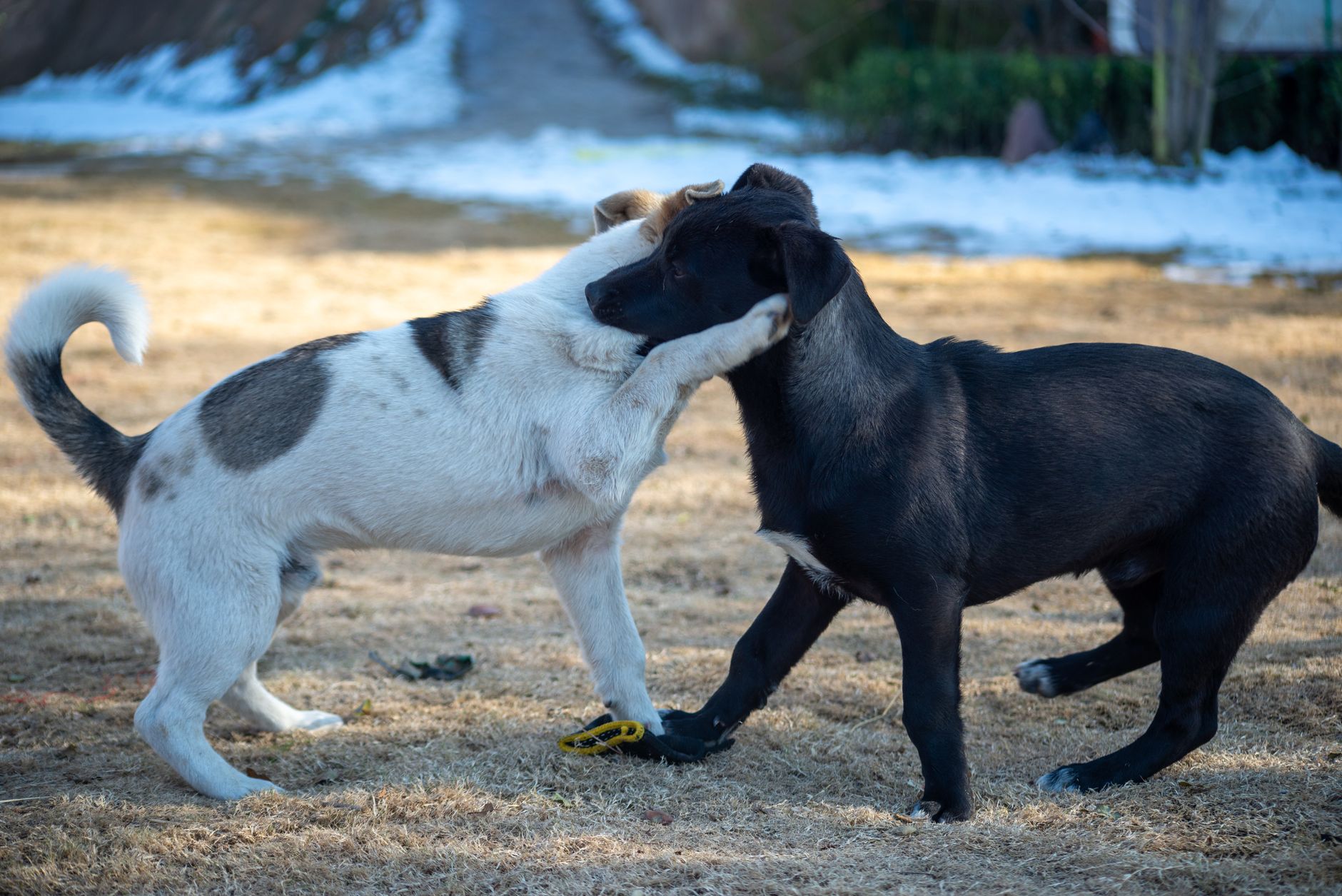
Understanding Canine Communication and “Apologies”
Dogs don’t experience emotions in the same complex way humans do. The concept of “apology” as we understand it – involving remorse and understanding the impact of one’s actions on another – is unlikely to be present in a dog’s mind. However, dogs are incredibly perceptive to our emotions and body language. What we interpret as an apology is often a learned behavior where they exhibit submissive signals in response to our anger or disappointment. They recognize the correlation between their actions and our reactions, and they aim to diffuse the situation.
Key Indicators of Submissive Behavior

To determine how do I know if my dog is apologizing?, focus on these submissive signals:
- Lowered Head and Body: A dog lowering its head or body posture is a classic sign of submission. This makes them appear smaller and less threatening.
- Tucked Tail: A tail tucked between the legs is a clear indication of anxiety and submission. The further tucked, the more stressed the dog is.
- Averted Gaze: Avoiding direct eye contact is another way a dog communicates submission. Direct eye contact can be perceived as a challenge.
- Lip Licking: Lip licking can be a sign of stress and anxiety.
- Yawning: When not tired, yawning can indicate stress.
- Ears Pinned Back: Ears held close to the head show submissiveness.
- Showing the Whites of Their Eyes (Whale Eye): The whites of the eyes becoming visible, particularly when the dog turns its head slightly away, indicates discomfort and stress.
- Crawling or Creeping: Moving in a low, slow manner toward you.
- Licking Your Hand or Face: A sign of affection and appeasement.
Differentiating Guilt from Fear
It’s important to differentiate between a dog showing guilt (really, submission stemming from anticipated punishment) and fear. A truly fearful dog will exhibit more extreme signs of distress, such as shaking, cowering, or even aggression. Guilt-related submissive behavior is usually less intense and more focused on appeasement. Watch the context! Did they just chew your shoe and you are upset? This is different than a loud thunderstorm.
The Role of Learned Behavior
Much of what we perceive as a dog’s apology is learned behavior. Dogs are highly adaptable and quickly learn which behaviors elicit positive or negative reactions from their owners. If a dog has been scolded in the past for a certain action, they may associate that action with a negative outcome and subsequently display submissive behaviors when confronted with a similar situation or your displeasure.
Avoiding Misinterpretation and Anthropomorphism
Avoid anthropomorphizing your dog’s behavior. Attributing human emotions and motivations to animals can lead to misinterpretations and unrealistic expectations. Focus on observing their behavior objectively and understanding the underlying motivations based on canine communication principles. Thinking they truly understand the wrongness of their actions like a human child isn’t correct.
Positive Reinforcement and Preventing Future “Apologies”
Instead of focusing on punishing your dog for unwanted behaviors, prioritize positive reinforcement. Reward desired behaviors with treats, praise, and affection. This will encourage them to repeat those behaviors and reduce the likelihood of them engaging in actions that require an “apology.” Early training and socialization will prevent common issues.
Table of Common “Apology” Signs and Potential Meanings
| Behavior | Possible Meaning |
|---|---|
| Lowered Head | Submission, anxiety, appeasement |
| Tucked Tail | Fear, anxiety, stress, submission |
| Averted Gaze | Avoidance of conflict, submission |
| Lip Licking | Stress, anxiety, appeasement |
| Ears Pinned Back | Submission, fear |
| Showing Whale Eye | Discomfort, stress, anxiety |
| Licking Your Hand/Face | Affection, appeasement |
| Yawning (when not tired) | Stress, anxiety |

Frequently Asked Questions (FAQs)
Is my dog actually feeling guilty when they appear to be apologizing?
No. Dogs don’t experience guilt in the same way as humans. What we interpret as guilt is usually a combination of anxiety and fear related to anticipating our reaction to their behavior. They are responding to our emotional state.
Is it ever appropriate to punish my dog when they’ve done something wrong?
Punishment can be counterproductive and damaging to your relationship with your dog. It can create fear and anxiety, leading to further behavioral problems. Positive reinforcement is a much more effective approach.
Can dogs be trained to “apologize” on command?
Yes, you can train your dog to perform certain submissive behaviors on command. However, it’s important to remember that they are not genuinely apologizing but rather performing a learned trick. It could be taught as a trick such as a bow.
What if my dog isn’t showing any of these “apology” signs?
Some dogs are more stoic than others and may not display obvious submissive behaviors. It doesn’t necessarily mean they don’t understand they’ve done something wrong. Consider their overall personality.
How do I correct unwanted behaviors without making my dog feel anxious?
Use positive reinforcement to reward desired behaviors. Redirection is also a good tool. If your dog is chewing on something they shouldn’t, offer them an appropriate chew toy instead.
Is my dog manipulating me with their “apology”?
While dogs are intelligent, they are not typically capable of manipulation in the human sense. They are responding to your emotions and trying to appease you.
Should I accept my dog’s “apology” right away?
Yes, acknowledging their submissive behavior can help diffuse the situation. Provide reassurance and affection. Avoid prolonged anger or scolding. Prolonged anger causes further stress.
What if my dog is destructive or aggressive? Is that an “apology” situation?
Destructive or aggressive behavior is often a sign of underlying issues such as anxiety, fear, or lack of socialization. Seek the help of a qualified dog trainer or behaviorist.
How does breed impact a dog’s “apologetic” behavior?
Some breeds are naturally more submissive or sensitive than others. However, individual personality and training play a more significant role.
Is ignoring my dog the correct way to teach them a lesson?
Ignoring, also known as “negative punishment,” can be effective in some situations, but it’s not always the best approach. Combine it with positive reinforcement for desired behaviors.
What role does tone of voice play in my dog’s understanding of my displeasure?
Your tone of voice is a crucial element. Dogs are highly sensitive to vocal cues. A stern or disapproving tone will signal your displeasure, while a calm and reassuring tone will help to calm them down.
How do I know if my dog is apologizing, even if I wasn’t the one who was upset?
Dogs can sense the overall atmosphere of a household. If they pick up on tension or negativity, they may exhibit submissive behaviors even if you haven’t directly interacted with them. They are empathetic creatures.