

Are Male Gorillas Good Fathers?: Unveiling the Complexities of Gorilla Paternal Care
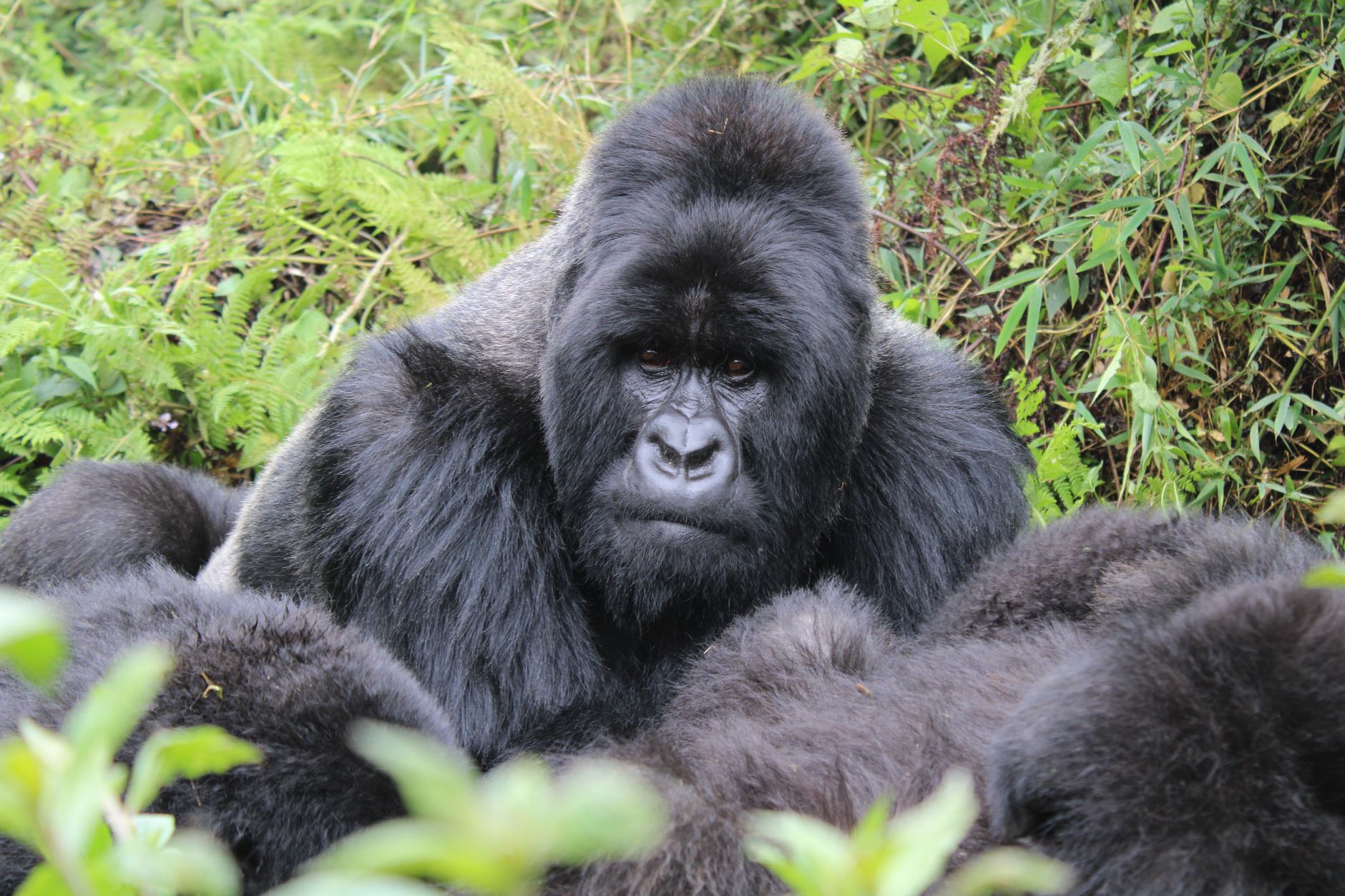
Are male gorillas good fathers? The answer is more nuanced than a simple yes or no, but overall, silverback gorillas exhibit significant paternal care, protecting their offspring from threats and playing a crucial role in their development within the troop.

Introduction: Beyond the Silverback Stereotype
The image of the silverback gorilla often evokes thoughts of raw power and territorial dominance. However, scratching beneath the surface reveals a surprising depth of paternal behavior. While not directly involved in nursing or carrying infants, male gorillas play a vital role in the survival and well-being of their offspring. This involves protection, socialization, and even a surprising degree of playful interaction. The question “Are male gorillas good fathers?” demands a closer look at these complex dynamics.
What colours are fish most attracted to?
Can you put your finger in a trout's mouth?
Is methylene blue anti bacterial?
Does aquarium salt raise pH in aquarium?
Defining “Good Father” in the Gorilla World

Our human understanding of fatherhood often involves active participation in childcare, emotional support, and providing resources. However, judging a gorilla father based on these criteria would be unfair. In the gorilla world, a “good father” primarily exhibits these behaviors:
- Protection: Defending the troop and its young from predators and rival groups.
- Tolerance: Allowing infants and juveniles to interact with them, climb on them, and generally be in close proximity.
- Socialization: Integrating young gorillas into the social structure of the troop.
- Play: Engaging in playful interactions that promote physical and social development.
The Silverback’s Role: Protection and Leadership
The most visible aspect of a silverback’s paternal role is protection. As the leader of the troop, the silverback is responsible for defending it from external threats. This includes:
- Deterring predators: Using vocalizations, displays of strength, and even physical aggression to ward off leopards and other predators.
- Protecting against rival groups: Engaging in intense confrontations with other gorilla troops to defend territory and resources.
- Intervening in conflicts within the troop: Resolving disputes between individuals and preventing escalation into serious violence.
This protective behavior directly benefits the offspring within the troop, increasing their chances of survival.
Tolerance and Social Integration
While silverbacks may not actively cuddle or comfort their young like human fathers, they often display a remarkable degree of tolerance. They allow infants and juveniles to approach them, climb on them, and even pull their hair. This tolerance is crucial for the young gorillas to learn social skills and develop bonds with the dominant male.
Silverbacks also play a key role in integrating young males into the social hierarchy of the troop. Through interactions and observations, young gorillas learn the rules and expectations of the troop, preparing them for their future roles.
Playful Interactions: Building Bonds and Skills
Contrary to the image of a stern and aloof leader, silverbacks are often observed engaging in playful interactions with their young. This play can take various forms, including:
- Chasing: Running after young gorillas and allowing them to “escape.”
- Rough-and-tumble play: Engaging in mock fights and wrestling matches.
- Tickling: Gently tickling the infants, eliciting laughter and strengthening their bond.
These playful interactions are not only enjoyable for the young gorillas but also help them develop physical skills, coordination, and social understanding. The act of playful interactions makes it clear that when asking “Are male gorillas good fathers?” the answer is more often leaning towards yes.
Factors Influencing Paternal Behavior
The degree of paternal care exhibited by a silverback can vary depending on several factors, including:
- Personality: Some silverbacks are naturally more tolerant and playful than others.
- Relationship with the mother: A strong bond between the silverback and the mother can lead to increased paternal care.
- Number of offspring: A silverback with fewer offspring may be able to devote more attention to each individual.
- Troop Dynamics: The overall stability and harmony of the troop can influence the silverback’s behavior.
Comparing Gorilla Fatherhood to Other Primates
While gorilla fatherhood is unique in its own way, it’s helpful to compare it to other primate species. Unlike some primate species where males provide little or no parental care, gorillas are more similar to primates like chimpanzees and baboons, where males play a significant role in protecting and socializing their offspring. However, the level of tolerance and playful interaction displayed by silverbacks can be particularly notable.
Frequently Asked Questions (FAQs)
Are male gorillas known to physically discipline their offspring?
While silverbacks do not typically engage in physical punishment in the way humans might understand it, they may use subtle cues like a stern gaze or a gentle push to correct behavior or maintain order within the troop. The goal is to guide and manage the young, not inflict harm.
How does a silverback’s presence impact infant mortality rates?
Studies have shown that infant mortality rates are significantly lower in troops with a strong, protective silverback. His presence deters predators and rival groups, creating a safer environment for the young. The impact of a stable silverback is a key indicator in the discussion “Are male gorillas good fathers?“
Do male gorillas ever “adopt” orphaned infants?
In some rare cases, silverbacks have been observed caring for orphaned infants, even if they are not biologically related. This demonstrates a level of altruism and protective instinct that extends beyond their own offspring.
What happens to young male gorillas when they reach adulthood?
Young male gorillas typically leave their natal troop upon reaching adulthood to form their own groups or join existing ones. This dispersal helps prevent inbreeding and promotes genetic diversity within the gorilla population.
Do female gorillas play a role in teaching the young?
While the silverback provides protection and socialization, female gorillas are primarily responsible for teaching the young essential skills such as foraging, nest-building, and infant care.
Is the paternal behavior of mountain gorillas different from that of western lowland gorillas?
While both mountain and western lowland gorillas exhibit paternal care, there may be some subtle differences due to variations in their environment and social structures. More research is needed to fully understand these differences.
How does habitat loss and poaching affect gorilla fatherhood?
Habitat loss and poaching disrupt gorilla social structures and can lead to the loss of silverbacks, leaving troops vulnerable and increasing infant mortality rates. Protecting gorilla habitats is crucial for preserving their social behavior, including fatherhood.
Are there any instances of silverbacks killing infants?
Infanticide is rare among gorillas but has been observed in some cases, typically when a new silverback takes over a troop and kills the offspring of the previous leader to increase his own reproductive success. This is a harsh reality of gorilla social dynamics.
How do researchers study gorilla paternal behavior?
Researchers use a variety of methods to study gorilla paternal behavior, including long-term observation, behavioral coding, and genetic analysis. They track interactions between silverbacks and their offspring to understand the nuances of their relationships.
What is the biggest threat to gorilla populations today?
The biggest threats to gorilla populations today are habitat loss, poaching, and disease. Conservation efforts are crucial to protect these magnificent creatures and their complex social lives.
Can captive gorillas display paternal behavior?
Yes, captive gorillas can display paternal behavior, but it may be influenced by the artificial environment and social structures of the zoo or sanctuary. Providing suitable habitats and social opportunities can promote natural paternal instincts.
How can I support gorilla conservation efforts?
You can support gorilla conservation efforts by donating to reputable organizations, raising awareness about the threats they face, and making sustainable choices that reduce your impact on their habitat. Every effort counts in ensuring their survival. Therefore, when questioning “Are male gorillas good fathers?” it is imperative to consider the environmental factors that influence their behavior.