

Are Magpies Good or Bad Luck? Unraveling the Myth
The question of are magpies good or bad luck? is steeped in superstition; the answer, however, is complex and varies significantly by culture, with the bird often perceived as both lucky and unlucky depending on context.

Introduction: A Bird of Two Fortunes
Magpies. Their iridescent plumage catches the light, a flash of blue-green and black against the sky. But beyond their beauty, these intelligent corvids have long been associated with superstition, their appearance often interpreted as an omen. But are magpies good or bad luck? The answer, like the magpie itself, is multifaceted. This article delves into the origins of these beliefs, exploring cultural variations, scientific observations, and ultimately, attempting to demystify the enduring question.

What colours are fish most attracted to?
Can you put your finger in a trout's mouth?
Is methylene blue anti bacterial?
Does aquarium salt raise pH in aquarium?
Historical Roots of Magpie Superstitions
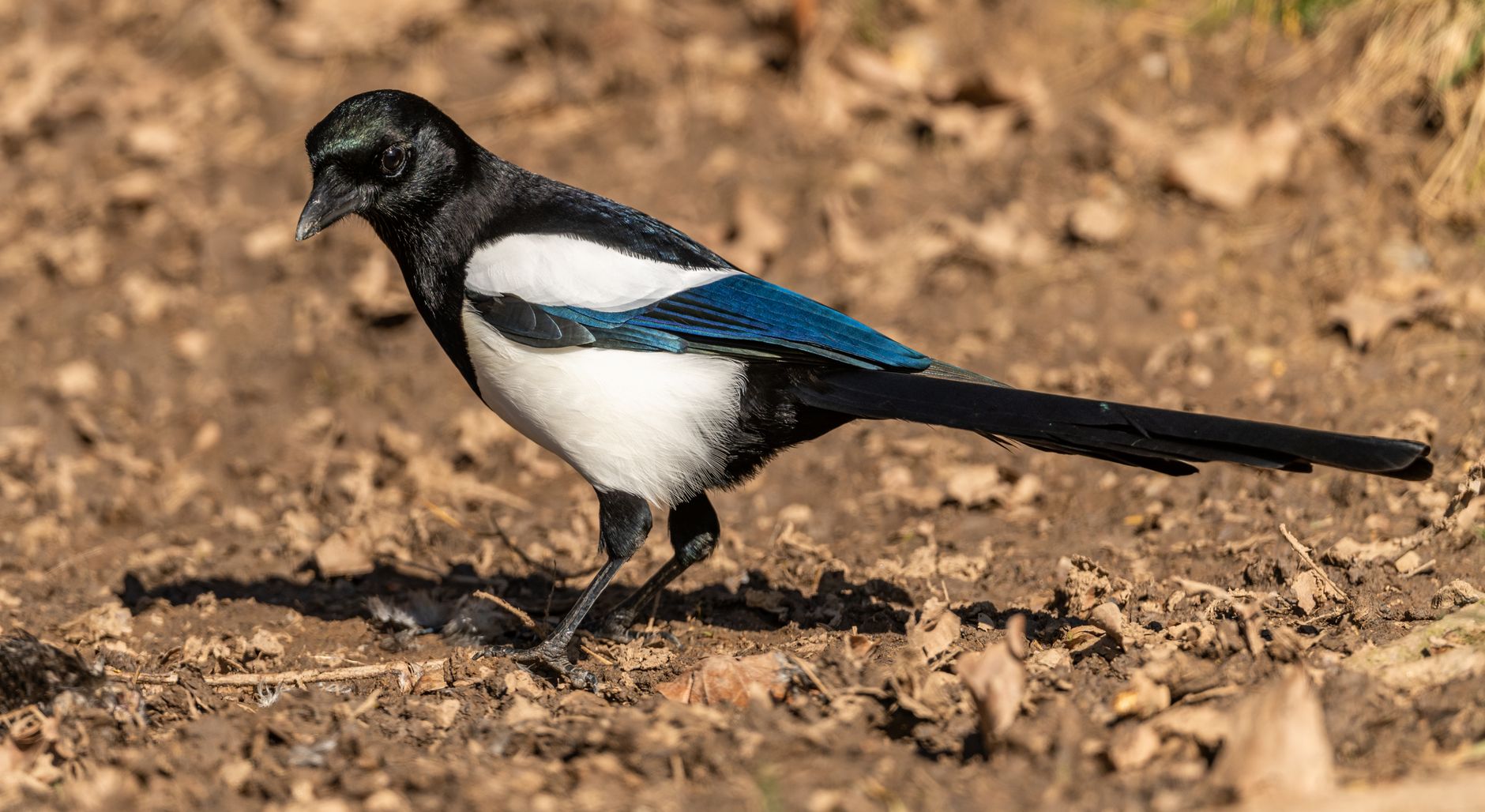
The association of magpies with luck, both good and bad, stretches back centuries. In many European traditions, the number of magpies seen dictates the fortune to come. The most famous example is the well-known rhyme: “One for sorrow, two for joy, three for a girl, four for a boy, five for silver, six for gold, seven for a secret, never to be told.”
The rhyme, though ubiquitous, has regional variations and likely evolved over time. Its very existence speaks to the deep-seated belief that observing these birds can predict the future. But why magpies, specifically?
- Intelligence: Magpies are highly intelligent birds, known for their problem-solving abilities and complex social structures. This may have led people to attribute supernatural qualities to them.
- Appearance: Their striking plumage and bold behavior make them easily noticeable.
- Scavenging Habits: As opportunistic feeders, magpies are often seen near human settlements, increasing the likelihood of encounters and observation.
Cultural Variations: A Global Perspective
The perception of magpies varies considerably across different cultures.
- Europe: In Britain, the “one for sorrow” rhyme is pervasive. Seeing a single magpie is often considered unlucky, prompting people to salute or greet the bird to ward off bad fortune. In some areas, the opposite is true, and a single magpie heralds good luck.
- Asia: In parts of Asia, particularly Korea and China, magpies are generally considered symbols of good fortune and prosperity. They are often depicted in art and literature as messengers of good news or harbingers of wealth.
- North America: Among some indigenous North American cultures, the magpie is a trickster figure, embodying both positive and negative traits. They can represent intelligence and resourcefulness, but also mischief and cunning.
Scientific Perspectives on Magpie Behavior
While superstition attributes luck to magpies, science offers alternative explanations for their behavior.
- Social Behavior: Magpies are social birds, often seen in pairs or small groups. This explains why sightings of single magpies might be less frequent, potentially contributing to the “one for sorrow” belief.
- Foraging Habits: Magpies are opportunistic scavengers, attracted to areas where food is readily available. This can lead them to be seen near areas associated with misfortune, such as battlefields or crime scenes, reinforcing negative associations.
- Cognitive Abilities: Their intelligence allows them to adapt to changing environments and learn from experience, which may contribute to their perceived boldness and cunning.
The Modern Perception: Shifting Beliefs
In the modern era, scientific understanding has largely overshadowed superstitious beliefs. However, the question of are magpies good or bad luck still persists. Many people still engage in rituals to counteract bad luck associated with seeing a single magpie, demonstrating the enduring power of these traditions. Ultimately, whether you view a magpie as a sign of good or bad fortune is a matter of personal belief.
Debunking Common Myths
Many myths surround magpies. Let’s examine a few.
- Myth: Magpies steal shiny objects.
- Reality: While magpies are attracted to shiny objects, there is limited scientific evidence to support the claim that they actively steal them. Their curiosity might lead them to investigate such items, but they are unlikely to hoard them intentionally.
- Myth: Magpies are inherently aggressive birds.
- Reality: Magpies can be territorial, especially during breeding season, and may aggressively defend their nests. However, they are not inherently aggressive towards humans or other animals outside of these specific circumstances.
- Myth: Seeing a single magpie is always unlucky.
- Reality: This is a cultural belief, not a factual statement. In some cultures, a single magpie can be seen as a sign of good luck.
The Bottom Line: Embracing the Complexity
The enduring fascination with magpies and their association with luck highlights the human tendency to find meaning in the natural world. Whether you believe are magpies good or bad luck depends on your cultural background, personal experiences, and individual beliefs. From a scientific perspective, magpies are simply intelligent and adaptable birds playing their ecological role. Ultimately, the interpretation of their appearance is left to the individual observer.
Frequently Asked Questions About Magpies and Luck
Why are magpies associated with bad luck in some cultures?
The association of magpies with bad luck likely stems from a combination of factors, including their scavenging habits, association with death, and potentially intimidating behavior, especially during nesting season. The “one for sorrow” rhyme has also perpetuated this negative association in many English-speaking cultures. However, it’s important to remember that this is a superstition, not a scientific fact.
Are there specific rituals to counteract bad luck from seeing a single magpie?
Yes, several rituals are believed to ward off bad luck from seeing a single magpie. Common practices include saluting the magpie, greeting it with phrases like “Good morning, Mr. Magpie, how is your lady wife today?”, or making a cross with your fingers. These rituals are rooted in tradition and belief and offer a sense of control over perceived misfortune.
In what cultures are magpies considered good luck?
In many Asian cultures, particularly in Korea and China, magpies are viewed as symbols of good fortune and prosperity. They are often depicted in art and literature as messengers of good news or harbingers of wealth. This positive association reflects a different cultural perspective on the bird’s behavior and symbolism.
Do magpies really steal shiny objects?
While magpies are known to be curious and attracted to shiny objects, there is limited scientific evidence to support the claim that they actively steal and hoard them. They may investigate such items, but it’s unlikely they do so with the intention of theft.
How intelligent are magpies compared to other birds?
Magpies are considered one of the most intelligent birds in the avian world. They exhibit sophisticated problem-solving skills, can recognize themselves in mirrors (a sign of self-awareness), and have complex social structures. Their intelligence contributes to their adaptability and survival in diverse environments.
Are magpies a protected species?
The legal status of magpies varies depending on the country and region. In some areas, they are protected, while in others, they may be subject to control measures due to their perceived impact on other bird populations. It’s important to check local regulations regarding magpie management.
What do magpies eat?
Magpies are omnivorous, with a varied diet that includes insects, invertebrates, small mammals, eggs, seeds, fruits, and carrion. Their opportunistic feeding habits allow them to thrive in a wide range of habitats.
How long do magpies typically live?
The lifespan of a magpie can vary depending on environmental factors and predation risk. In the wild, they typically live for around 5-6 years, although some individuals have been known to live much longer in captivity.
Do magpies mate for life?
Yes, magpies typically mate for life and form strong pair bonds. They often stay together year-round and cooperate in raising their young.
How can I attract magpies to my garden (if I want to)?
If you want to attract magpies to your garden, you can provide a source of food and water. Leaving out scraps of meat, seeds, or fruit can be appealing. However, it’s important to be mindful of the potential impact on other wildlife in your area.
What is the ecological role of magpies?
Magpies play a significant role in their ecosystems. As scavengers, they help to clean up carrion and prevent the spread of disease. They also contribute to seed dispersal and can help to control insect populations.
Is there any scientific basis for believing in luck associated with animals?
There is no scientific basis for believing in luck associated with animals, including magpies. Superstitions are cultural beliefs, not scientific facts. However, the persistence of these beliefs highlights the human tendency to find meaning and order in the natural world. Ultimately, whether are magpies good or bad luck is a matter of personal interpretation.