
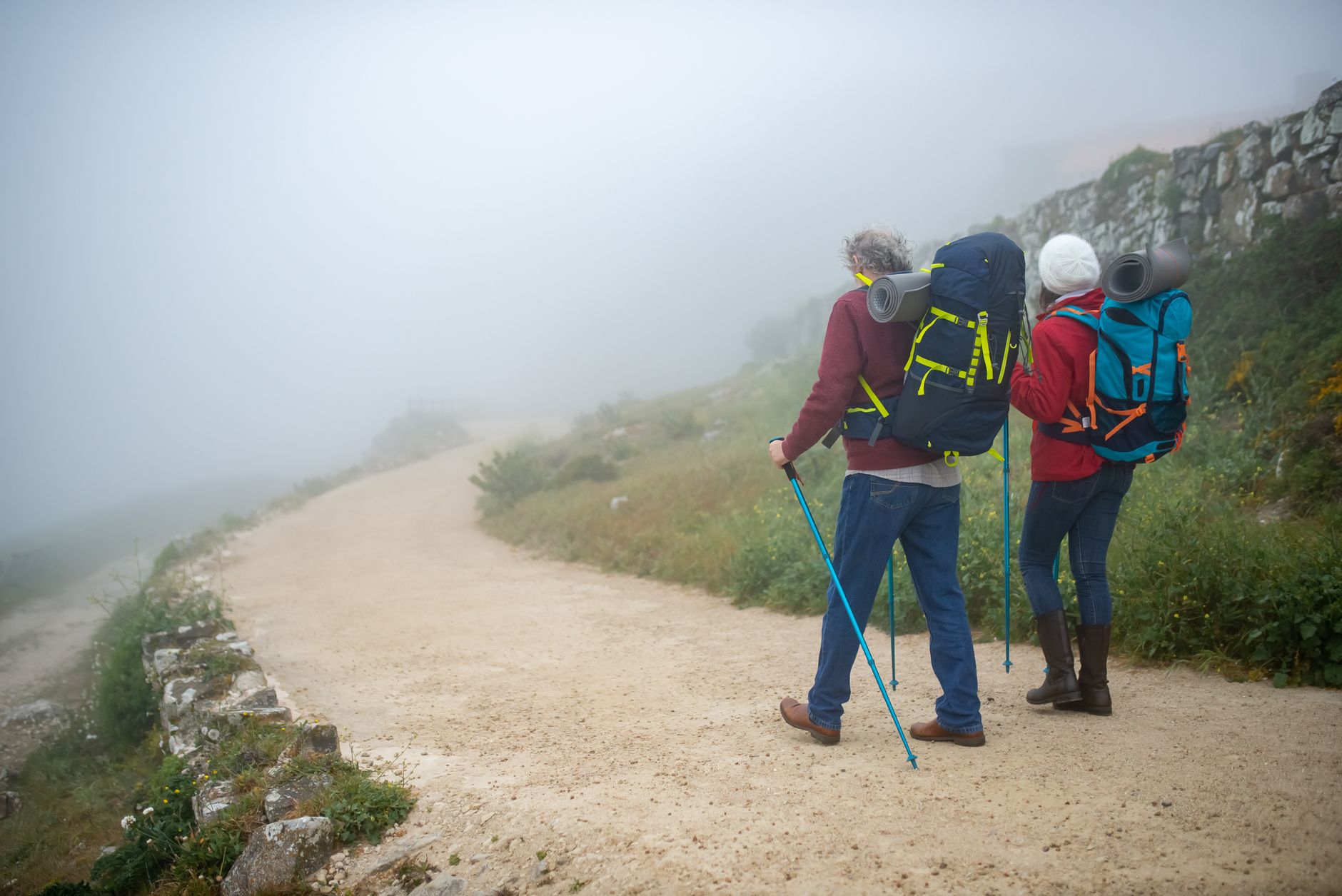
Are Hiking Backpacks TSA Approved? A Traveler’s Guide
Are hiking backpacks TSA approved? The answer is generally yes, but certain considerations regarding size, contents, and packing procedures are crucial for a smooth airport experience. This guide provides comprehensive information to ensure your hiking backpack navigates security checkpoints with ease.

Understanding TSA Regulations for Backpacks
The Transportation Security Administration (TSA) has specific guidelines for what travelers can bring in both carry-on and checked baggage. While hiking backpacks are generally permitted, it’s essential to understand these regulations to avoid delays or confiscations. The TSA focuses primarily on prohibited items and potential security threats.

What colours are fish most attracted to?
Can you put your finger in a trout's mouth?
Is methylene blue anti bacterial?
Does aquarium salt raise pH in aquarium?
Hiking Backpacks as Carry-Ons

Hiking backpacks are often brought as carry-ons due to their practical size and convenience. However, size limits apply. Most airlines adhere to a maximum carry-on size of approximately 22 x 14 x 9 inches (56 x 36 x 23 cm), including handles and wheels. Check with your specific airline for their exact size restrictions, as they can vary.
- Size: Ensure your packed hiking backpack fits within the airline’s specified carry-on dimensions.
- Weight: Many airlines also have weight restrictions for carry-ons, typically around 15-25 pounds (7-11 kg).
- Liquids: The TSA’s “3-1-1 rule” applies to liquids in carry-ons: liquids must be in containers of 3.4 ounces (100 milliliters) or less, placed in a single, clear, quart-sized bag.
- Sharp Objects: Items such as hiking poles with sharp tips, knives, and certain tools must be packed in checked baggage.
- Electronics: Laptops and other large electronic devices may need to be removed from the backpack for separate screening.
Hiking Backpacks as Checked Baggage
If your hiking backpack exceeds carry-on size or weight limits, or if it contains prohibited items, it must be checked.
- Weight Limits: Airlines typically have weight limits for checked baggage (usually around 50 pounds or 23 kg). Overweight baggage can incur hefty fees.
- Prohibited Items: Certain items, such as flammable liquids and explosives, are prohibited in both carry-on and checked baggage. Check the TSA’s website for a complete list.
- Security: Secure all zippers and straps to prevent damage during handling. Consider using a backpack rain cover or a luggage wrap for added protection.
Specific Items and TSA Considerations
Certain items commonly found in hiking backpacks require extra attention when packing for air travel.
- Trekking Poles: These should be packed in checked baggage, especially those with sharp tips. Consider using trekking poles that collapse for easier packing.
- Camping Stoves and Fuel: Camping stoves are usually allowed in checked baggage, but must be completely empty of fuel. Fuel canisters are almost always prohibited.
- Knives and Multi-Tools: Knives and multi-tools with blades are prohibited in carry-ons and must be packed in checked baggage.
- Bear Spray: Bear spray is generally prohibited on flights, both in carry-on and checked baggage. Check specific airline regulations and consider purchasing bear spray at your destination if needed.
- Batteries: Lithium batteries are subject to specific regulations. Spare lithium batteries should ideally be carried in carry-on baggage.
Avoiding Common Mistakes
- Overpacking: Overpacking can lead to oversized and overweight hiking backpacks, resulting in additional fees or the need to check the bag.
- Ignoring Size Restrictions: Failing to check airline carry-on size restrictions can lead to gate-checking your hiking backpack.
- Packing Prohibited Items: Packing prohibited items can result in confiscation and delays at security checkpoints.
- Poorly Securing Items: Loose items and straps can snag on conveyor belts, potentially damaging your hiking backpack.
- Lack of Identification: Make sure your hiking backpack is clearly labeled with your name, address, and contact information, both inside and outside the bag.
Frequently Asked Questions
Are all hiking backpacks considered carry-ons?
No, not all hiking backpacks are suitable as carry-ons. It depends on the size and weight of the backpack, as well as the specific airline’s carry-on restrictions. Always check the dimensions and weight limits with your airline before traveling.
What size hiking backpack is allowed as a carry-on?
Generally, a hiking backpack that fits within the dimensions of approximately 22 x 14 x 9 inches (56 x 36 x 23 cm) is likely to be accepted as a carry-on. However, this can vary, so always confirm with your airline.
Can I bring trekking poles on a plane?
Trekking poles are typically not allowed in carry-on baggage due to their potential to be used as weapons. They should be packed in checked baggage, ideally with the tips protected.
Is bear spray allowed on airplanes?
Bear spray is almost always prohibited on airplanes, both in carry-on and checked baggage. It’s best to purchase bear spray at your destination if needed and check local regulations regarding its use.
Can I bring a camping stove in my hiking backpack?
Yes, you can usually bring a camping stove in your hiking backpack in checked baggage, but it must be completely empty of fuel. Fuel canisters are generally prohibited.
What about knives or multi-tools with blades?
Knives and multi-tools with blades are not allowed in carry-on baggage and must be packed securely in checked baggage. Ensure the blade is sheathed to prevent damage or injury.
What if my hiking backpack is slightly over the carry-on size limit?
Airlines may allow a slightly oversized hiking backpack, but this is at their discretion. You may be required to gate-check the bag, which means it will be placed in the cargo hold. Be prepared for this possibility.
Are there any specific TSA rules about battery packs for charging devices?
Yes, lithium batteries and power banks must meet specific requirements. It is generally recommended to carry them in your carry-on baggage, as they can pose a fire hazard in the cargo hold.
How do I pack liquids in my hiking backpack for air travel?
Liquids must adhere to the TSA’s “3-1-1 rule.” That means all liquids must be in containers of 3.4 ounces (100 milliliters) or less, placed in a single, clear, quart-sized bag. This rule applies only to carry-on baggage.
What if the airline loses my checked hiking backpack?
Take photos of your hiking backpack and its contents before your trip. If your checked bag is lost, file a claim with the airline immediately. Providing documentation will help expedite the search process.
Where can I find the most up-to-date TSA regulations?
The TSA’s website (tsa.gov) is the best resource for the most up-to-date regulations. You can also use the “Ask TSA” service on Twitter or Facebook to get answers to specific questions.
Are hiking backpacks TSA approved in general?
Ultimately, whether hiking backpacks TSA approved depends largely on their adherence to size and content restrictions. As long as you follow the guidelines concerning prohibited items, liquids, and overall dimensions, you should have no problem bringing your hiking backpack on your travels. Always check with the airline and TSA for the latest regulations before your trip.