

Are Hermit Crabs Happy Alone? Unveiling the Truth About Their Social Needs
Contrary to popular belief, hermit crabs are not generally happy alone. They are naturally social creatures that thrive in colonies and suffer significant stress and health consequences when isolated.

Introduction: The Social Lives of Hermit Crabs
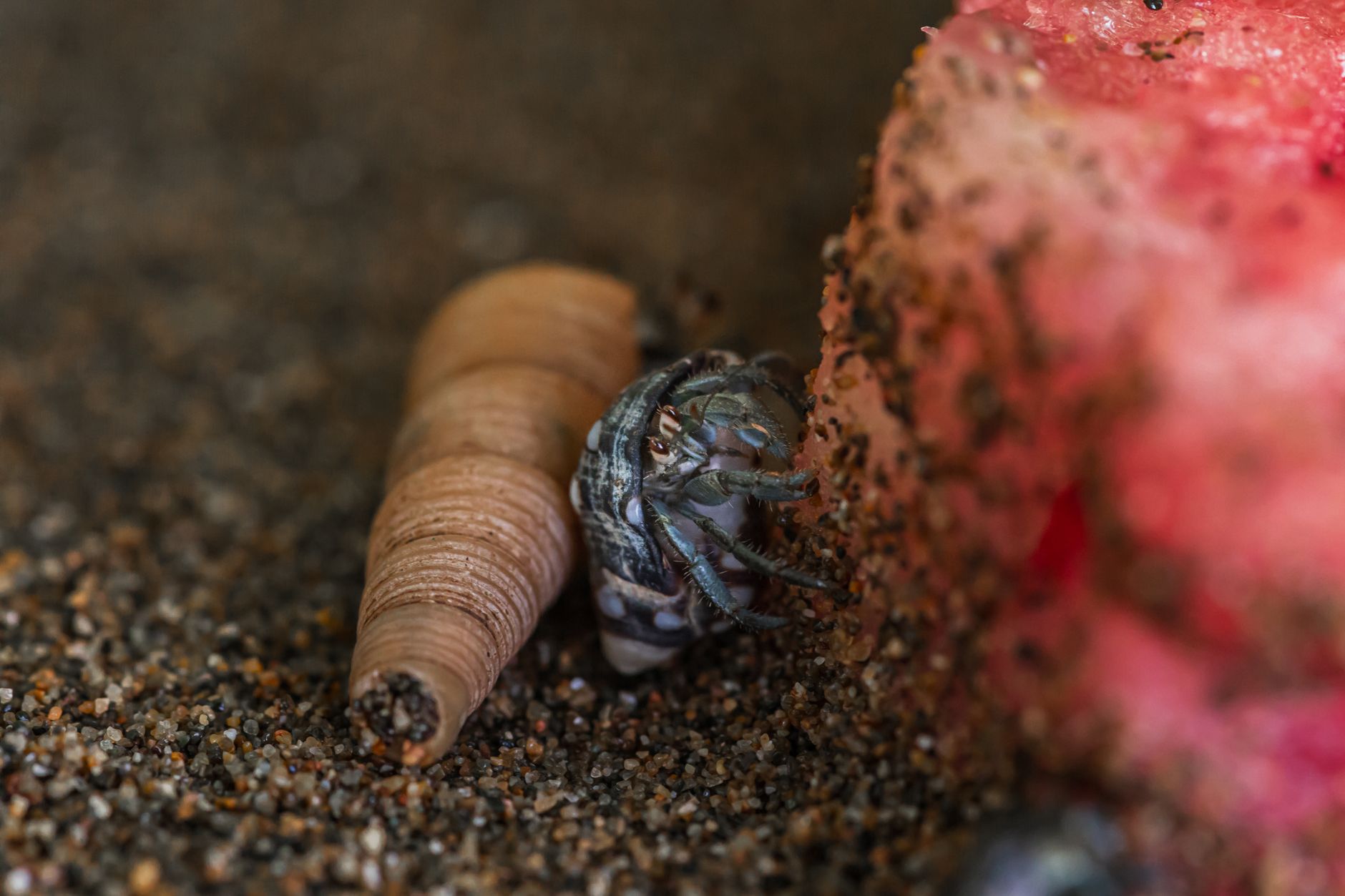
Hermit crabs, those fascinating creatures often found scuttling across beaches or residing in colorful shells in pet stores, are more complex than they appear. While the image of a solitary crab carrying its home on its back is common, the reality of their social lives is far more nuanced. Understanding whether are hermit crabs happy alone? requires a deeper dive into their natural behaviors and needs.
What colours are fish most attracted to?
Can you put your finger in a trout's mouth?
Is methylene blue anti bacterial?
Does aquarium salt raise pH in aquarium?
The Importance of Social Interaction

Hermit crabs are gregarious animals, meaning they naturally live in groups or colonies. This social structure is essential for several reasons:
- Protection: Living in groups provides increased protection from predators. More eyes mean a higher chance of spotting danger.
- Shell Acquisition: Shells are a vital resource for hermit crabs, and finding the right size and shape is crucial for their survival and growth. Colonies facilitate shell exchanges, allowing crabs to upgrade to larger shells and avoid the stress of competition.
- Breeding: Hermit crabs rely on group interactions for mating. The presence of other crabs stimulates breeding behavior.
- Mental Stimulation: Social interaction provides essential mental stimulation, preventing boredom and promoting overall well-being.
The Negative Impacts of Isolation
When hermit crabs are kept alone, they experience several negative consequences:
- Increased Stress: Isolation leads to chronic stress, which weakens their immune system and makes them more susceptible to disease.
- Reduced Activity: Solitary hermit crabs often become less active and spend more time hiding, leading to muscle atrophy and decreased overall health.
- Feeding Problems: Some hermit crabs may exhibit decreased appetite or even refuse to eat when isolated, leading to malnutrition.
- Behavioral Issues: Solitary confinement can result in abnormal behaviors, such as excessive digging or aggression.
Shell Swapping: A Vital Social Activity
Shell swapping is a crucial aspect of hermit crab social behavior. They often gather in groups to exchange shells, especially when larger shells become available. This process ensures that all crabs have access to appropriately sized shells, which is essential for their growth and protection. A hermit crab alone cannot participate in this vital activity.
Creating a Socially Enriched Habitat
To ensure the well-being of hermit crabs in captivity, it’s essential to provide a socially enriched environment:
- Keep Multiple Crabs: The most important factor is to keep at least two or three hermit crabs together.
- Provide Ample Shells: Offer a variety of shells in different sizes and shapes to accommodate their growth and preferences.
- Create Hiding Places: Provide plenty of hiding spots, such as caves, rocks, and plants, to allow crabs to feel secure.
- Maintain Proper Environmental Conditions: Ensure that the temperature and humidity are within the optimal range for their species.
Evidence and Research
While extensive research on hermit crab emotions is limited, observational studies consistently demonstrate the social nature of these creatures. Zoologists and marine biologists have documented complex social interactions in wild hermit crab populations, including shell exchanges, cooperative feeding, and group defense. These observations strongly suggest that hermit crabs are not happy alone.
Conclusion
The evidence overwhelmingly supports the conclusion that hermit crabs are not happy alone. They are social animals that thrive in colonies and suffer significant stress and health consequences when isolated. Providing a socially enriched environment with multiple crabs, ample shells, and appropriate living conditions is essential for their well-being in captivity.
Frequently Asked Questions (FAQs)
Are hermit crabs truly social, or is their interaction just for survival?
Yes, hermit crabs are truly social animals. While some interactions, like shell swapping, are directly related to survival, they also exhibit other social behaviors such as grooming, cooperative foraging, and complex communication through chemical signals. Their social interactions go beyond mere necessity, showing a preference for living in groups. Being alone deprives them of these enriching interactions.
How many hermit crabs should I keep together?
A minimum of three hermit crabs is generally recommended. This provides a sufficient social dynamic to reduce stress and encourage natural behaviors. Larger tanks can accommodate larger groups, further enriching their social environment. Always consider the size of your tank when determining the number of crabs.
Can hermit crabs get lonely?
While we cannot definitively say that hermit crabs experience loneliness in the same way humans do, evidence suggests they do experience negative consequences from isolation. These consequences include increased stress, reduced activity, and abnormal behaviors, all of which indicate a decline in well-being. These indicate that they suffer in the absence of social interaction.
What signs indicate a hermit crab is stressed or unhappy?
Signs of stress in hermit crabs can include: prolonged hiding, lethargy, refusing to eat, dropping limbs, aggression towards other crabs, and excessive digging. Observing these behaviors can help you assess their well-being.
What size tank is appropriate for multiple hermit crabs?
As a general rule, provide at least 5 gallons of space per crab. So, for three crabs, a 15-gallon tank would be a minimum. Larger tanks are always better, allowing for more natural behaviors and providing more space for enrichment. More space is always better.
Do hermit crabs of different species get along?
While some species can cohabitate, it’s generally recommended to keep hermit crabs of the same species together. Different species may have different environmental needs and behavioral patterns, which can lead to stress and conflict. Research compatibility before introducing different species.
How do hermit crabs communicate with each other?
Hermit crabs communicate through a combination of visual signals, physical contact, and chemical signals called pheromones. These signals convey information about shell availability, mating opportunities, and potential threats. They have a complex communication system.
What is the purpose of shell swapping among hermit crabs?
Shell swapping allows crabs to upgrade to larger, more comfortable shells as they grow. It also helps prevent shell shortages and ensures that all crabs have access to appropriately sized shells, which are crucial for their protection and survival. Shells are essential for their wellbeing.
Are there any circumstances where it is acceptable to keep a hermit crab alone?
In rare cases, such as when a crab is injured or sick and needs to be isolated for treatment, temporary isolation may be necessary. However, this should be kept to a minimum, and the crab should be reintroduced to the group as soon as possible. Isolation should only be for medical reasons.
What happens if I don’t provide enough shells for my hermit crabs?
If there are not enough shells available, hermit crabs will compete for them, leading to stress and aggression. Crabs may even resort to fighting over shells, potentially injuring or killing each other. Always provide more shells than crabs.
How often do hermit crabs need to swap shells?
Hermit crabs typically swap shells as they grow, but the frequency can vary depending on their growth rate and the availability of suitable shells. Young crabs may swap shells more frequently than older crabs. Shell swapping is a continuous process.
Are hermit crabs happy alone?
To reiterate, hermit crabs are not happy alone. They are social creatures that thrive in the company of other crabs. Keeping them in isolation deprives them of essential social interactions, leading to stress, reduced activity, and a decline in overall well-being. Prioritize their social needs by providing a socially enriched environment with multiple crabs.