

Are Hedgehogs Hygienic? Unpacking the Spiny Truth
While undeniably adorable, a common question arises: Are hedgehogs hygienic? The answer is nuanced, as hedgehogs aren’t inherently dirty, but maintaining their hygiene requires dedicated owner care and understanding of their natural behaviors.
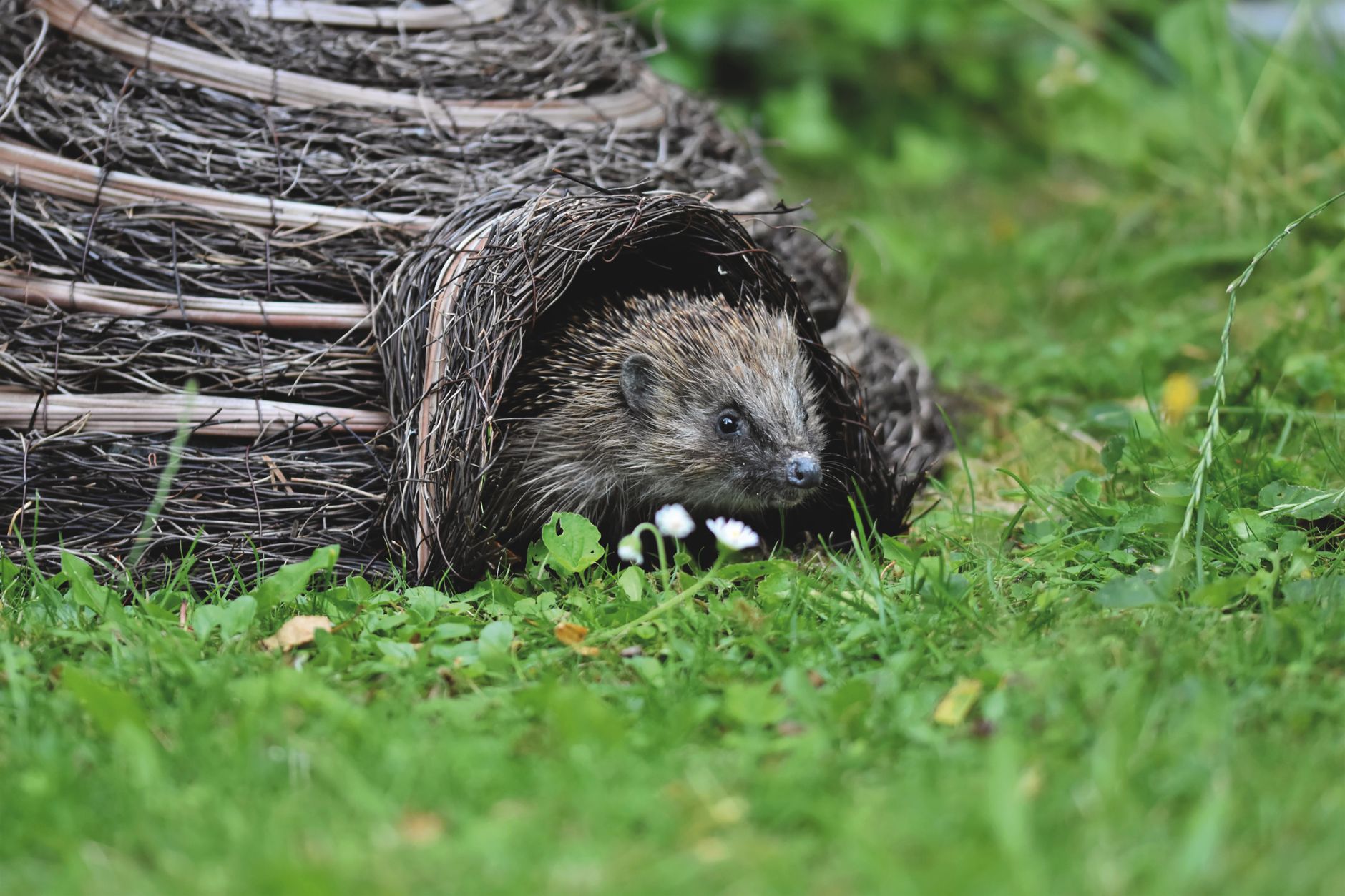
The Prickly Truth About Hedgehog Hygiene
Hedgehogs, with their endearing snouts and iconic quills, have surged in popularity as pets. However, before bringing one into your home, it’s crucial to understand their hygiene needs. While wild hedgehogs must rely on their own instincts and environment to stay relatively clean, domesticated hedgehogs depend entirely on their owners. So, are hedgehogs hygienic naturally? Not entirely. But with the right care, they can be.

What colours are fish most attracted to?
Can you put your finger in a trout's mouth?
Is methylene blue anti bacterial?
Does aquarium salt raise pH in aquarium?
Hedgehog Habits and Natural Cleanliness

Hedgehogs are naturally inclined to groom themselves, using their tongues and paws to clean their quills. However, their behaviors can also contribute to messes. They are:
- Active explorers: Hedgehogs love to burrow and dig, often tracking substrate (bedding) around their enclosures.
- Messy eaters: They can be enthusiastic, if somewhat clumsy, eaters, scattering food around their living space.
- Prone to “anointing”: Anointing involves licking a novel substance and then frothing at the mouth before applying the saliva to their quills. While the purpose is debated, it can result in a temporarily sticky and perhaps smelly hedgehog.
The Importance of Owner Intervention
Because of these behaviors, regular owner intervention is critical for maintaining a hygienic environment for your hedgehog. Neglecting their hygiene can lead to several problems, including:
- Skin infections: Dirty enclosures can harbor bacteria and fungi that cause skin irritations and infections.
- Quill loss: Poor hygiene can weaken the quills, leading to breakage and loss.
- Parasitic infestations: Dirty bedding can become breeding grounds for mites and other parasites.
- Unpleasant odors: A dirty hedgehog enclosure will inevitably emit an unpleasant odor.
Establishing a Hedgehog Hygiene Routine
Establishing a consistent hygiene routine is paramount for a healthy and happy hedgehog. This routine should include:
- Daily Spot Cleaning: Remove soiled bedding and uneaten food daily. This prevents buildup of bacteria and reduces odors.
- Weekly Cage Cleaning: Thoroughly clean and disinfect the entire enclosure, replacing all bedding.
- Regular Foot Baths: Hedgehogs often walk through their waste. Regular foot baths (shallow water only!) are essential to keep their feet clean and prevent skin problems.
- Occasional Baths (When Necessary): Full baths should only be given when necessary, as frequent bathing can dry out their skin. Use a mild, unscented shampoo specifically formulated for small animals.
Tools for Maintaining Hedgehog Cleanliness
The right tools can make hedgehog hygiene easier and more effective. Consider these items:
- Small animal-safe shampoo: Essential for occasional full baths.
- Soft toothbrush: Useful for gently scrubbing quills during baths.
- Shallow dish: Perfect for foot baths.
- Pet wipes: For quick cleanups.
- Cage cleaner: A safe and effective disinfectant for the enclosure.
Common Mistakes in Hedgehog Hygiene
Despite their best intentions, owners sometimes make mistakes that can negatively impact their hedgehog’s hygiene. Some common errors include:
- Over-bathing: Bathing too frequently strips the skin of its natural oils, leading to dryness and irritation.
- Using human shampoo: Human shampoo is too harsh for a hedgehog’s delicate skin.
- Neglecting nail trimming: Overgrown nails can become painful and harbor bacteria. Regular nail trimming is essential.
- Using scented products: Scented bedding, soaps, or sprays can irritate a hedgehog’s sensitive respiratory system.
Diet’s Role in Hedgehog Health and Hygiene
A balanced diet significantly contributes to a hedgehog’s overall health, indirectly influencing their hygiene.
- Healthy skin and quills: A diet rich in essential nutrients supports healthy skin and quills, making them more resistant to infections.
- Reduced digestive upset: A proper diet reduces the likelihood of digestive issues that can lead to messes in their enclosure.
| Food Group | Example | Benefit |
|---|---|---|
| Insect Protein | Crickets, Mealworms | Essential amino acids for growth |
| High Quality Cat food | Dry kitten food | Offers a complete range of nutrition |
| Vegetables | Cooked squash, green beans | Provides fibre and vitamins |
| Fruits | Applesauce, bananas (small amount) | Source of vitamins and sugars |
Ensuring a Hygienic Hedgehog Environment
Ultimately, the key to keeping your hedgehog clean lies in creating a hygienic environment. This means:
- Choosing the right bedding: Avoid cedar or pine shavings, as they can be toxic. Paper-based bedding, fleece liners, or kiln-dried pine are better options.
- Providing a spacious enclosure: A larger enclosure allows for designated areas for eating, sleeping, and eliminating waste.
- Maintaining proper ventilation: Good ventilation helps prevent the buildup of ammonia and other harmful gases.
Conclusion: Are Hedgehogs Hygienic? Demystifying the Spiny Predicament
So, are hedgehogs hygienic? The answer is a qualified yes. They can be, but their hygiene is heavily dependent on responsible ownership. By understanding their natural behaviors, establishing a consistent hygiene routine, and avoiding common mistakes, you can ensure that your spiny friend stays clean, healthy, and happy. This dedicated approach will not only enhance your hedgehog’s well-being but also contribute to a more pleasant and odor-free home environment.
Frequently Asked Questions (FAQs)
Can I bathe my hedgehog too often?
Yes, over-bathing is a common mistake that can strip the skin of its natural oils, leading to dryness, irritation, and even skin infections. Bathe your hedgehog only when absolutely necessary, perhaps once every few months, unless your vet advises otherwise. Spot cleaning and foot baths are often sufficient for regular hygiene.
What kind of shampoo is safe for hedgehogs?
Use a mild, unscented shampoo specifically formulated for small animals. Baby shampoo is also a commonly recommended alternative. Avoid using human shampoo, as it can be too harsh for a hedgehog’s delicate skin. Always ensure that all shampoo is thoroughly rinsed off after bathing.
How often should I clean my hedgehog’s cage?
Perform daily spot cleaning to remove soiled bedding and uneaten food. A full cage cleaning, including replacing all bedding and disinfecting the enclosure, should be done at least once a week. The frequency may need to be increased if your hedgehog is particularly messy.
Are hedgehogs prone to any specific hygiene-related health problems?
Yes, hedgehogs are susceptible to several hygiene-related health problems, including skin infections, quill loss, parasitic infestations (such as mites), and foot infections. Maintaining a clean enclosure and practicing regular hygiene routines can help prevent these issues.
What is “anointing,” and is it hygienic?
Anointing is a natural hedgehog behavior where they lick a new substance, create a frothy saliva, and then spread it onto their quills. While the purpose is debated, it’s not necessarily hygienic. If your hedgehog anoints with something potentially harmful, you may need to give them a spot clean.
How do I trim my hedgehog’s nails?
Use small animal nail clippers and carefully trim only the tips of the nails to avoid cutting the quick (the pink part containing blood vessels and nerves). If you accidentally cut the quick, use styptic powder to stop the bleeding. If you are uncomfortable trimming your hedgehog’s nails yourself, consult a veterinarian or groomer.
What kind of bedding is best for hedgehogs?
Avoid cedar and pine shavings, as they contain oils that can be harmful to hedgehogs. Good options include paper-based bedding, fleece liners, and kiln-dried pine shavings. Choose a bedding that is absorbent, dust-free, and easy to clean.
How do I get rid of mites on my hedgehog?
Mite infestations require veterinary treatment. Your veterinarian can prescribe a safe and effective medication to eliminate the mites. In addition to medication, thoroughly clean and disinfect the enclosure and replace all bedding.
Is it normal for my hedgehog to poop while running on its wheel?
Yes, it’s very common for hedgehogs to poop while running on their wheels. This is simply a part of their natural behavior. Clean the wheel daily to maintain hygiene. Consider a wheel with a solid surface to avoid foot injuries.
How can I reduce the odor from my hedgehog’s cage?
Regular cleaning is the most effective way to reduce odor. Ensure the cage is properly ventilated. You can also use a small amount of baking soda underneath the bedding to absorb odors, but avoid using scented products, as these can irritate your hedgehog.
What is the ideal cage size for a hedgehog to maintain good hygiene?
A minimum of 4 square feet is recommended for a single hedgehog. Larger is always better, as it allows for designated areas for eating, sleeping, and eliminating waste, helping to keep the enclosure cleaner.
Are hedgehogs hypoallergenic?
No, hedgehogs are not considered hypoallergenic. Although they have quills instead of fur, they can still produce dander and trigger allergies in sensitive individuals. If you have allergies, spend time with a hedgehog before committing to one as a pet to assess your reaction.