

Are Geese Intelligent Birds? Unveiling Avian Cognition
Are geese intelligent birds? Yes, geese are indeed intelligent birds, exhibiting complex cognitive abilities including problem-solving, social learning, and navigational skills that surpass simple instinct.

A Background on Geese and Their Behavior
Geese, members of the Anserini tribe of the Anatidae family (which includes ducks and swans), are often underestimated in their cognitive capabilities. Their seemingly simple behavior, such as migrating in V-formations or honking loudly, belies a sophisticated understanding of their environment and intricate social structures. The perception of geese as simple creatures often stems from their relatively common presence and the sometimes-aggressive defensive behaviors displayed by territorial geese, particularly during nesting season. However, closer examination reveals a fascinating array of behaviors indicative of considerable intelligence. Their adaptability across diverse environments, from urban parks to remote arctic regions, further underscores their cognitive flexibility.

What colours are fish most attracted to?
Can you put your finger in a trout's mouth?
Is methylene blue anti bacterial?
Does aquarium salt raise pH in aquarium?
Evidence of Intelligence: Navigation and Spatial Awareness
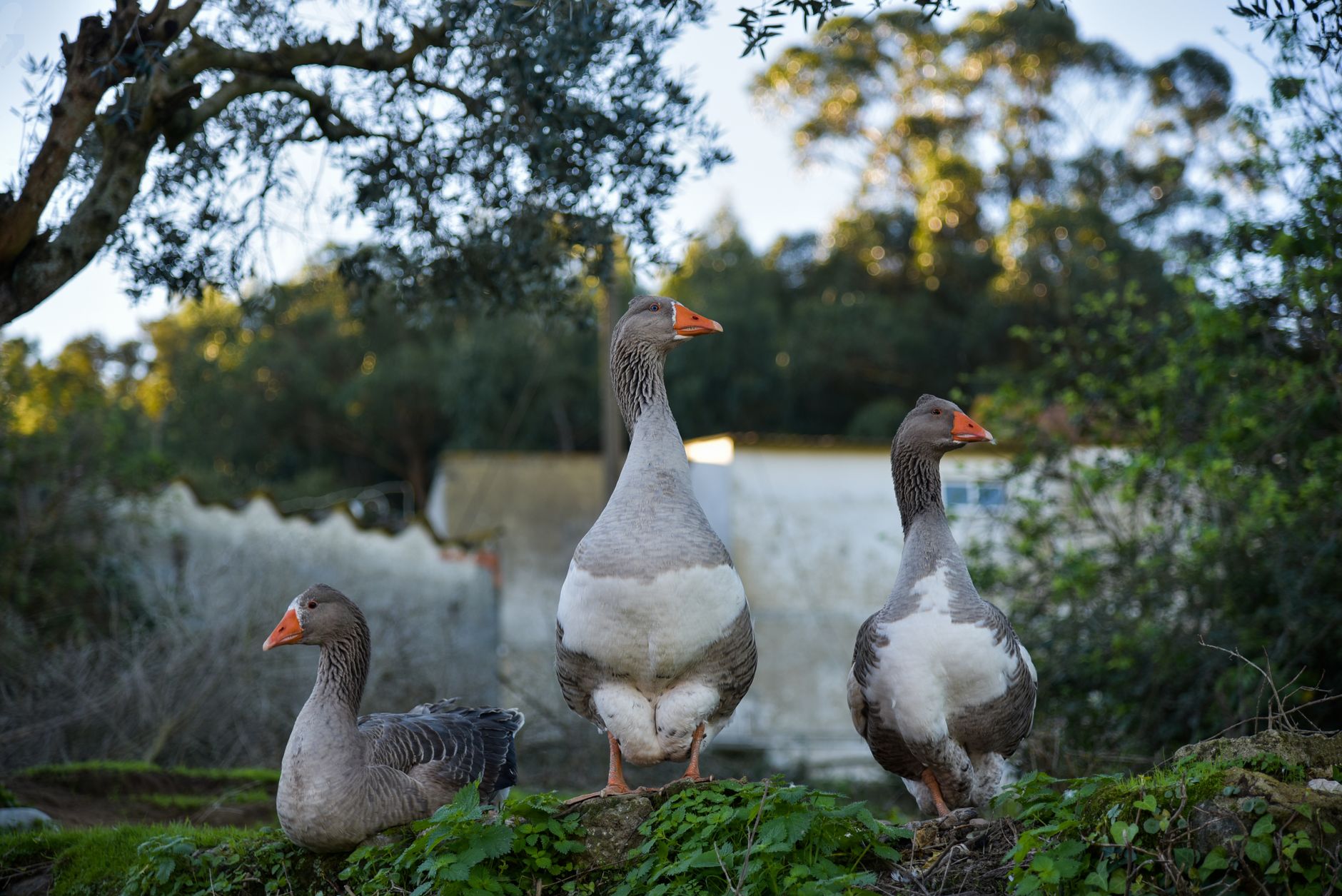
One of the most remarkable displays of goose intelligence is their navigational prowess. Geese undertake long and complex migrations, often covering thousands of miles. This feat requires not only inherent navigational skills but also the ability to learn and remember routes, landmarks, and safe stopping points. They use a combination of cues, including:
- The Earth’s magnetic field: Geese possess magnetoreceptors that allow them to sense the Earth’s magnetic field and use it for orientation.
- Solar and stellar navigation: They can use the position of the sun and stars to determine direction.
- Visual landmarks: Geese memorize geographical features, such as rivers, mountains, and coastlines, to guide their journeys.
This complex navigational system demonstrates a strong spatial awareness and learning capability. Moreover, geese are known to adapt their routes based on weather conditions and previous experiences, further highlighting their cognitive flexibility.
Social Intelligence: Complex Relationships and Communication
Geese are highly social animals, living in flocks and forming strong pair bonds that often last for life. This social structure necessitates complex communication and understanding of social dynamics.
- Vocalizations: Geese have a diverse repertoire of calls used to communicate a range of information, including warnings, greetings, and calls to maintain flock cohesion.
- Body language: They use body postures and movements to signal dominance, submission, and intentions.
- Cooperative behavior: Geese often cooperate in tasks such as guarding their territory and raising young.
The ability to navigate complex social interactions, recognize individual flock members, and communicate effectively highlights their social intelligence. Studies have also shown that geese can recognize and remember individual humans, demonstrating a degree of cognitive recognition beyond simple conditioning.
Problem-Solving and Learning Abilities
While formal scientific studies on goose intelligence are limited, anecdotal evidence and observational studies suggest that they possess significant problem-solving and learning abilities.
- Adaptation to urban environments: Geese living in urban parks have learned to exploit human-provided food sources and navigate traffic, demonstrating adaptability and problem-solving skills.
- Observational learning: Young geese learn from their parents and other flock members, acquiring knowledge about food sources, predators, and migration routes.
- Response to environmental changes: Geese have shown the ability to adapt to changing environmental conditions, such as habitat loss and climate change, by modifying their behavior and migration patterns.
These observations suggest that geese possess a capacity for learning and problem-solving that goes beyond simple instinctual behavior.
Comparing Goose Intelligence to Other Bird Species
While pinpointing a precise “intelligence ranking” is challenging, comparing goose intelligence to other bird species provides helpful context. Corvids (crows, ravens, and jays) are often cited as the most intelligent birds, known for their tool use and complex problem-solving abilities. Parrots are also highly intelligent, demonstrating advanced communication skills and cognitive abilities. While geese may not reach the same level of complexity as corvids or parrots in all areas, they demonstrate comparable levels of social intelligence, navigational skills, and adaptability compared to many other bird species. Ducks, closely related to geese, exhibit similar levels of cognitive ability, although research on goose intelligence specifically remains relatively sparse.
Common Misconceptions About Goose Intelligence
One common misconception is that geese are primarily driven by instinct and lack the capacity for learning or problem-solving. This view often stems from observing their repetitive behaviors, such as their fixed migration patterns or aggressive territoriality. However, these behaviors are often a combination of both instinct and learned behavior. For example, while geese have an instinctive drive to migrate, they learn the specific routes and strategies from their parents and other flock members. Another misconception is that geese are aggressive and unintelligent because they often attack humans. However, this behavior is typically a defensive response to perceived threats, particularly during nesting season, and does not reflect a lack of intelligence. It is rather a strong parental instinct.
The Future of Goose Intelligence Research
Further research is needed to fully understand the cognitive abilities of geese. Technological advancements in tracking devices and cognitive testing methods offer new opportunities to study their behavior in both natural and controlled settings. Studying goose intelligence can provide valuable insights into the evolution of avian cognition and the relationship between brain size, social complexity, and environmental adaptation. Ultimately, recognizing the intelligence of geese can foster a greater appreciation for these remarkable birds and promote more responsible interactions with them.
Frequently Asked Questions (FAQs)
Are geese able to recognize individual humans?
While formal scientific studies are limited, anecdotal evidence suggests that geese can indeed recognize individual humans, particularly those they frequently interact with or who pose a threat. This recognition is likely based on a combination of visual and auditory cues.
How do geese navigate during migration?
Geese utilize a complex combination of navigational cues, including the Earth’s magnetic field, solar and stellar navigation, and visual landmarks, allowing them to undertake long and complex migrations with remarkable accuracy.
Do geese use tools?
While not as common as in corvids, there have been observed instances where geese use materials in their environment in a manner resembling tool use. This is an area requiring more focused research, but suggests they might possess latent capabilities that can be triggered under specific circumstances.
What is the purpose of geese flying in a V-formation?
Flying in a V-formation allows geese to reduce wind resistance and conserve energy during long flights. The lead goose breaks the wind, creating a slipstream that benefits the geese flying behind.
How do geese communicate with each other?
Geese communicate through a diverse range of vocalizations and body language, conveying information about threats, food sources, and social status within the flock.
Are all goose species equally intelligent?
It is likely that intelligence varies among different goose species, reflecting differences in their ecological niches and social structures. However, more research is needed to determine the specific cognitive abilities of each species.
How long do geese typically live?
The lifespan of geese varies depending on the species and environmental conditions, but many geese can live for 10-25 years in the wild, and even longer in captivity.
Do geese learn from their parents?
Young geese learn essential survival skills from their parents, including foraging techniques, predator avoidance strategies, and migration routes. This social learning is crucial for their development and survival.
How do geese adapt to urban environments?
Geese adapt to urban environments by exploiting human-provided food sources, nesting in modified habitats, and learning to navigate traffic. This demonstrates their adaptability and problem-solving skills.
Why are geese sometimes aggressive towards humans?
Geese are typically aggressive towards humans when they feel threatened, particularly during nesting season. This behavior is a defensive response to protect their territory and young.
How can we promote responsible interactions with geese?
Responsible interactions with geese involve avoiding feeding them, respecting their space, and protecting their natural habitats. Educating others about their behavior and needs is also crucial.
What can goose intelligence tell us about avian cognition in general?
Studying goose intelligence can provide valuable insights into the evolution of avian cognition, the relationship between brain size and cognitive abilities, and the impact of social complexity on intelligence. Understanding their intelligence enriches our understanding of animal minds and behaviors.