

Are Fish With Teeth Real? Unmasking the Jaws of the Deep
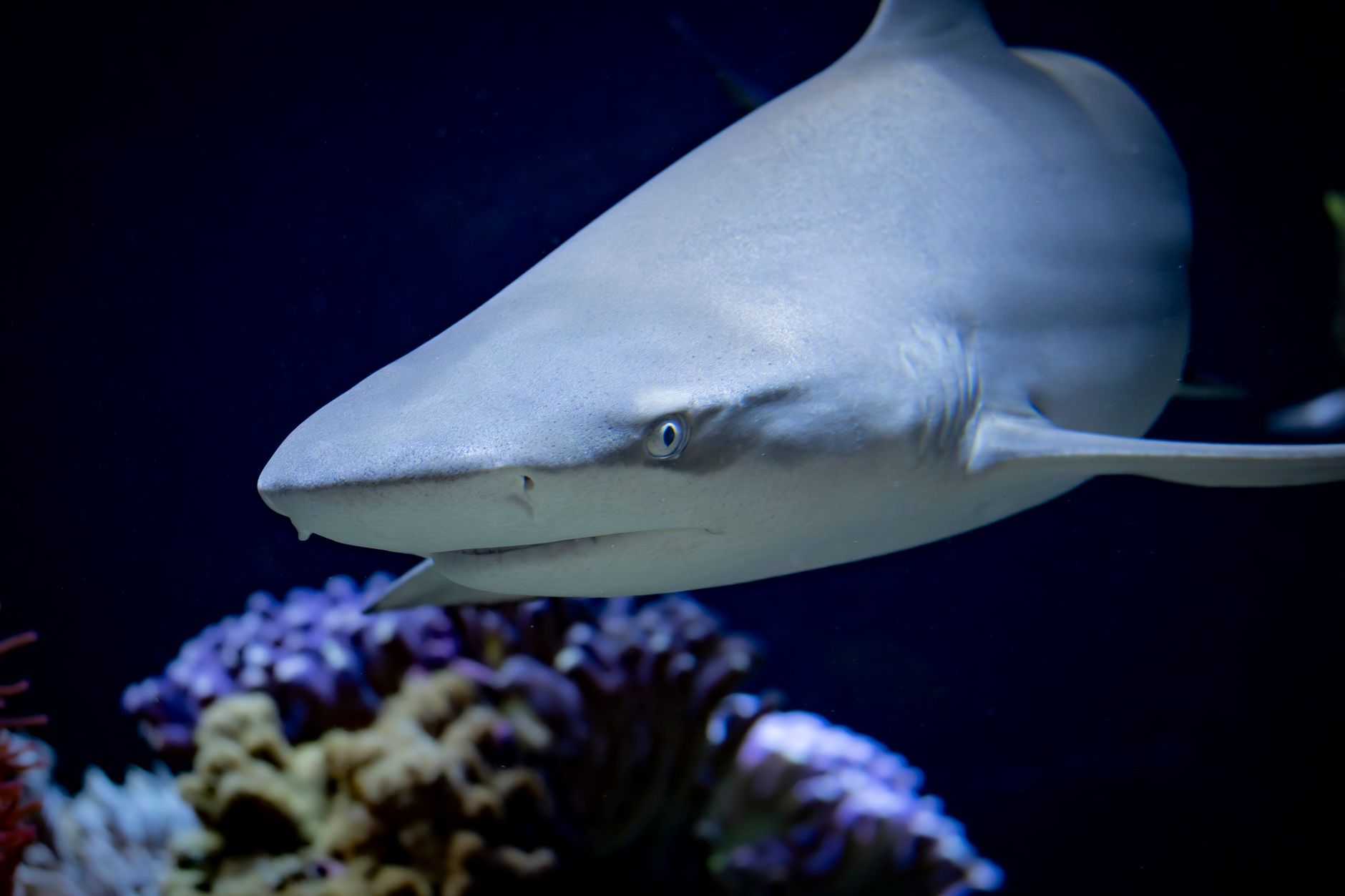
Yes, fish with teeth are absolutely real. From the tiny denticles of filter feeders to the fearsome fangs of predators, teeth are a crucial adaptation for a wide variety of fish species.

The Jaws of the Ocean: An Introduction
The underwater world is a realm of incredible diversity, and nowhere is this more evident than in the dentition of its inhabitants. While the image of a shark with rows upon rows of razor-sharp teeth might be the first thing that comes to mind when we think of fish with teeth, the reality is far more complex and fascinating. The presence, type, and arrangement of teeth in fish are directly related to their diet, lifestyle, and evolutionary history. Exploring the world of fish with teeth unveils a remarkable story of adaptation and survival.
Are fish heads good for the garden?
Can fish hear water?
What is cotton rot in fish?
What colours are fish most attracted to?
Evolutionary Origins and Purposes of Fish Teeth

Fish teeth evolved millions of years ago, playing a crucial role in the diversification and success of this vertebrate group. The primary purpose of fish with teeth is to acquire and process food. However, teeth can also serve other functions, including:
- Defense: Protecting themselves from predators.
- Grasping: Holding onto prey or objects.
- Intra-species Competition: Displaying dominance or fighting for mates.
- Grooming: Removing parasites or debris.
The shape, size, and number of teeth in fish with teeth are incredibly diverse, reflecting the wide range of diets and ecological niches occupied by these animals.
Diversity in Dental Structures
The types of teeth found in fish are as varied as the fish themselves. Here’s a glimpse at some common examples:
- Canine Teeth: Sharp, pointed teeth used for piercing and gripping prey (e.g., Barracuda, Piranha).
- Molariform Teeth: Flat, grinding teeth used for crushing hard-shelled invertebrates or plant matter (e.g., Parrotfish).
- Incisiform Teeth: Chisel-like teeth used for scraping algae or biting off pieces of food (e.g., Some species of Tetra).
- Villiform Teeth: Small, needle-like teeth that form a patch or band, often used for gripping slippery prey (e.g., Gar).
- Pharyngeal Teeth: Teeth located in the throat that are used for processing food after it has been swallowed (e.g., Carp, Goldfish).
The location of teeth can also vary. Some fish have teeth only on their jaws, while others have teeth on their tongue, palate, or even in their throat (pharyngeal teeth). This diversity reflects the wide range of feeding strategies employed by different fish species.
Examples of Notable Fish with Teeth
Numerous fish species possess fascinating and sometimes intimidating dental structures. Here are a few notable examples:
| Fish Species | Tooth Type(s) | Adaptation |
|---|---|---|
| Great White Shark | Serrated, Canine | Tearing flesh |
| Piranha | Sharp, Triangular | Biting flesh |
| Barracuda | Canine, Sharp | Piercing and grasping |
| Parrotfish | Molariform | Grinding coral and algae |
| Pacu | Molar-like | Crushing nuts and seeds |
The Importance of Studying Fish Teeth
Studying fish with teeth is crucial for several reasons:
- Understanding Evolutionary History: Teeth provide valuable insights into the evolutionary relationships between different fish species.
- Assessing Diet and Ecology: Tooth morphology can reveal a fish’s diet and ecological role.
- Monitoring Environmental Health: Changes in tooth structure or composition can indicate pollution or other environmental stressors.
- Advancing Biomimicry: The unique properties of fish teeth can inspire new materials and technologies.
Frequently Asked Questions (FAQs)
Are all fish with teeth predators?
No, not all fish with teeth are predators. While many predatory fish have prominent teeth for capturing and consuming prey, some fish use their teeth for other purposes, such as scraping algae, grinding plant matter, or even filtering food particles from the water.
Do all fish have teeth in their mouths?
Not necessarily. Some fish species possess pharyngeal teeth, located in their throat. These teeth are used for grinding and processing food after it has been swallowed. Certain fish species entirely lack teeth in any form.
Can fish lose and regrow teeth?
Yes, many fish with teeth can lose and regrow teeth throughout their lives. This is particularly common in species like sharks, which have rows upon rows of replacement teeth ready to move forward as needed. This ability ensures that they always have a sharp and functional set of teeth.
What are pharyngeal teeth?
Pharyngeal teeth are located in the throat of certain fish species and are used for processing food after it has been swallowed. They often work in conjunction with structures in the gills to crush or grind food before it enters the digestive system. Carp and goldfish are examples of fish with pharyngeal teeth.
What is the hardest substance in a fish tooth?
Similar to mammals, the hardest substance in a fish tooth is enamel. However, not all fish teeth are covered in enamel; some have a coating of other mineralized tissues like dentine or hypermineralized enamel.
Why do some fish have such strange-looking teeth?
The strange-looking teeth of some fish are adaptations to their specific diets and lifestyles. For example, the parrotfish has beak-like teeth for scraping algae off coral, while the goonch catfish has rows of sharp, backward-pointing teeth for gripping slippery prey.
Are teeth a reliable way to identify fish species?
Yes, teeth can be a useful tool for identifying fish species, particularly in cases where other characteristics are difficult to observe. The shape, size, number, and arrangement of teeth can provide valuable clues about a fish’s identity. However, it’s important to consider other factors as well, such as body shape, coloration, and fin structure.
Do fish feel pain when they lose a tooth?
It is difficult to definitively determine whether fish feel pain in the same way that humans do. However, research suggests that fish possess nociceptors (pain receptors) and can experience aversive reactions to potentially harmful stimuli. Therefore, it’s likely that losing a tooth could cause some level of discomfort.
What is the relationship between fish teeth and their diet?
The teeth of fish are directly related to their diet. Fish with sharp, pointed teeth are typically predators that eat other fish or invertebrates. Fish with flat, grinding teeth are often herbivores or omnivores that consume plants or hard-shelled organisms.
How are fish teeth different from human teeth?
Fish teeth differ from human teeth in several ways. They are often simpler in structure, lacking the complex root systems and enamel layering found in human teeth. Additionally, many fish can continuously replace their teeth throughout their lives, while humans only have two sets of teeth.
What role do fish teeth play in the ecosystem?
Fish teeth play a critical role in the ecosystem by enabling fish to acquire food and fulfill their ecological roles. Predatory fish help to control populations of other species, while herbivorous fish help to maintain the health of coral reefs and other aquatic habitats.
Where can I learn more about fish teeth?
You can learn more about fish teeth from a variety of sources, including scientific journals, books on ichthyology (the study of fish), and online resources provided by reputable organizations like universities and museums. Examining museum specimens, if possible, can also provide excellent insights.