
Are Fish Considered Amphibians? Unveiling the Evolutionary Truth
No, fish are definitively not considered amphibians. Evolutionarily distinct, fish belong to various aquatic vertebrate groups, while amphibians represent a specialized class of tetrapods adapted for both aquatic and terrestrial life stages.

The Evolutionary Divide: Fish and Amphibians
The natural world teems with diverse life forms, each uniquely adapted to its environment. One of the most fascinating aspects of biology is understanding the evolutionary relationships between these creatures. When we examine Are fish considered amphibians?, the answer lies deep within the history of vertebrate evolution.
Fish represent a paraphyletic group – meaning they don’t include all of their descendants – encompassing a vast array of aquatic vertebrates. This includes jawless fishes, cartilaginous fishes (like sharks and rays), and bony fishes (which make up the majority of fish species). These groups evolved along different lineages, adapting specifically to aquatic environments.
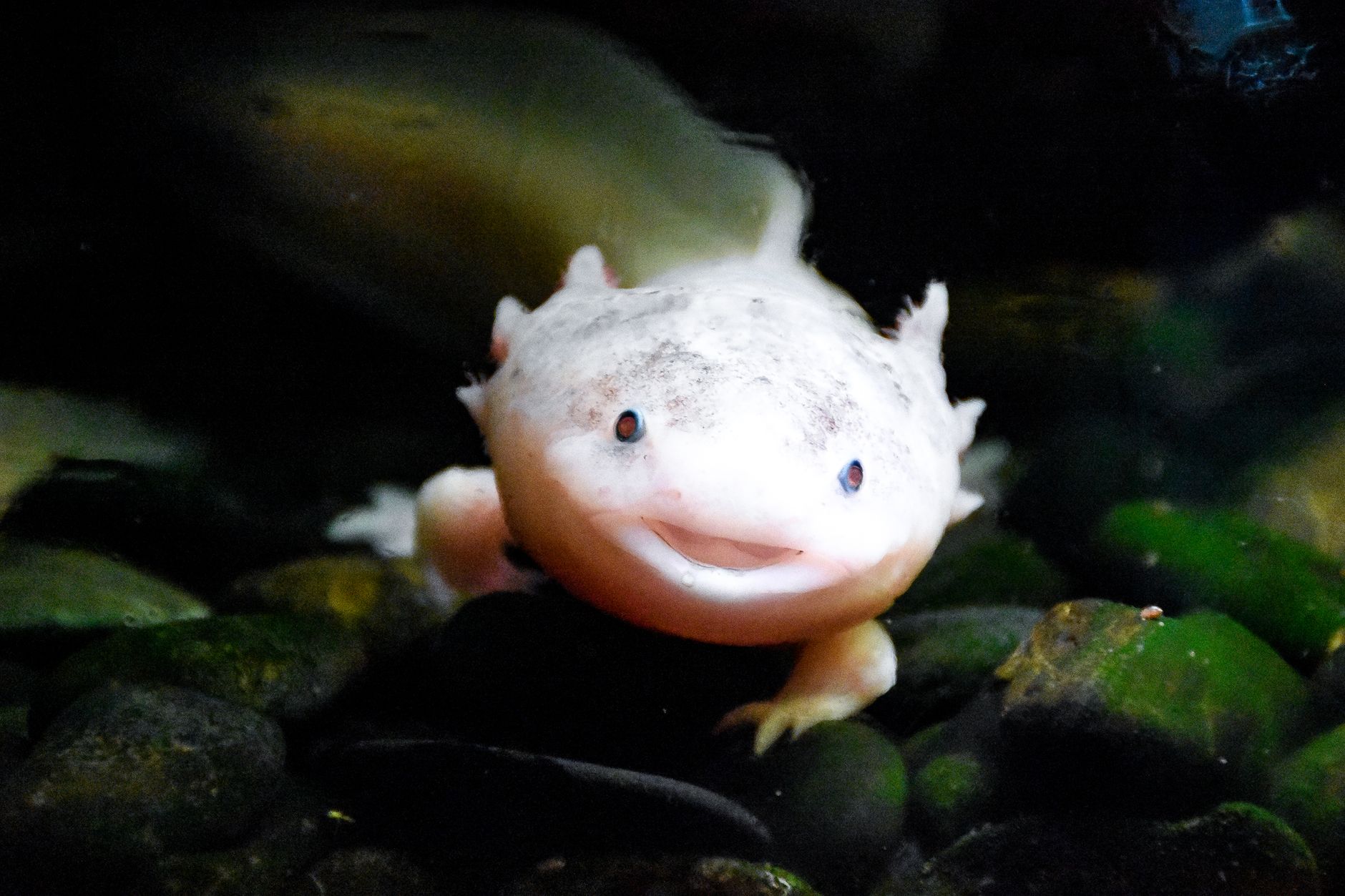
Amphibians, on the other hand, form a distinct class within the tetrapods (four-limbed vertebrates). They represent a crucial transition from aquatic to terrestrial life. Amphibians, including frogs, toads, salamanders, and caecilians, share several key characteristics:
- Aquatic Larval Stage: Most amphibians begin their lives as aquatic larvae (e.g., tadpoles) with gills.
- Metamorphosis: They undergo a significant transformation (metamorphosis) to develop into terrestrial adults.
- Moist Skin: Their skin is typically permeable and requires moisture for respiration.
- Dependence on Water: While adults can live on land, many species require water for reproduction.

Are fish heads good for the garden?
Can fish hear water?
What is cotton rot in fish?
What colours are fish most attracted to?
Key Differences in Structure and Physiology

The differences between fish and amphibians extend beyond their life cycles. They have distinct anatomical and physiological features that reflect their evolutionary paths.
| Feature | Fish | Amphibians |
|---|---|---|
| Respiration | Gills (primarily) | Gills (larvae), lungs & skin (adults) |
| Limbs | Fins | Four limbs (tetrapods) |
| Skin | Scales (most) | Smooth, moist skin |
| Reproduction | External fertilization (most) | External & internal fertilization |
| Habitat | Primarily aquatic | Aquatic & terrestrial (often both in different stages) |
The Ancestral Connection: The Journey to Land
While Are fish considered amphibians?, the evolutionary connection between the two is crucial to understanding vertebrate history. Amphibians evolved from lobe-finned fishes. These ancient fishes possessed fleshy fins supported by bones, preadapting them for movement on land. Through gradual changes over millions of years, these fins evolved into the limbs of early tetrapods, marking the transition from aquatic to terrestrial life.
Why the Confusion? Common Misconceptions
The question “Are fish considered amphibians?” often arises due to superficial similarities and a lack of understanding of evolutionary relationships. Some of the common misconceptions include:
- Amphibians spending time in water: The fact that many amphibians spend a portion of their lives in water can lead to the mistaken belief that they are simply a type of fish.
- Aquatic larval stages: The larval stages of amphibians resemble fish in their aquatic lifestyle and gill-based respiration.
- General lack of knowledge about vertebrate classification: Many people are not familiar with the specific characteristics that distinguish fish and amphibians.
Frequently Asked Questions (FAQs)
How did amphibians evolve from fish?
Amphibians evolved from a specific group of lobe-finned fish during the Devonian period. These fish possessed fleshy fins supported by bones. Over time, these fins gradually evolved into limbs, allowing the early tetrapods to move and eventually live on land.
What are the main characteristics that distinguish fish from amphibians?
The key differences include: fish possess fins and primarily breathe with gills throughout their lives, whereas amphibians generally have four limbs (as adults), respire through lungs and skin (as adults), and undergo metamorphosis. Their reproductive strategies are also different.
Are all amphibians aquatic?
No, not all amphibians are strictly aquatic. While most amphibians require water for reproduction and have aquatic larval stages, many adult amphibians live primarily on land. However, they typically require moist environments to prevent dehydration.
Do all fish have scales?
No, not all fish have scales. While most bony fish have scales that provide protection, some fish, such as catfish, are scaleless. Cartilaginous fish, like sharks, possess placoid scales, which are structurally different from the scales of bony fish.
What is metamorphosis in amphibians?
Metamorphosis is a dramatic transformation that amphibians undergo as they develop from aquatic larvae to terrestrial adults. It involves significant changes in morphology, physiology, and behavior, including the development of lungs and limbs, and the loss of gills.
Are there any fish that can live on land?
There are some fish species that can survive out of water for limited periods. For example, the mudskipper is a fish that can walk on land and breathe air through its skin and mouth lining. However, these fish are not considered amphibians as they do not undergo metamorphosis or possess the same adaptations for terrestrial life.
What is the evolutionary significance of amphibians?
Amphibians represent a crucial evolutionary transition from aquatic to terrestrial life. They were the first vertebrates to colonize land and paved the way for the evolution of reptiles, birds, and mammals.
Why do amphibians need moist skin?
Amphibians rely on their permeable skin for respiration. Oxygen can diffuse across the moist skin and into the bloodstream. Therefore, amphibians need to keep their skin moist to facilitate this process.
Do amphibians lay eggs in water?
Most amphibians lay their eggs in water, though some species have adapted to lay eggs in moist terrestrial environments. The eggs lack a protective shell, making them vulnerable to desiccation, so humidity or water is crucial for their survival.
What are the main groups of amphibians?
The three main groups of amphibians are:
- Frogs and Toads (Anura): Characterized by their tailless bodies and jumping ability.
- Salamanders and Newts (Urodela): Have elongated bodies and tails.
- Caecilians (Gymnophiona): Limbless, burrowing amphibians that resemble worms.
What role do amphibians play in ecosystems?
Amphibians play important roles in ecosystems as both predators and prey. They control insect populations and serve as a food source for larger animals. Their sensitivity to environmental changes also makes them valuable bioindicators.
How are amphibians affected by environmental change?
Amphibians are particularly vulnerable to environmental changes, such as habitat loss, pollution, and climate change. Their permeable skin makes them highly susceptible to toxins in the environment. Climate change can also affect their breeding cycles and habitats, leading to population declines.
Understanding the distinction between fish and amphibians hinges on evolutionary history, anatomical differences, and the unique adaptations of each group. While fish evolved solely in aquatic environments, amphibians represent the important evolutionary step into the terrestrial realm. So, clearly, the answer to “Are fish considered amphibians?” is a resounding no.