
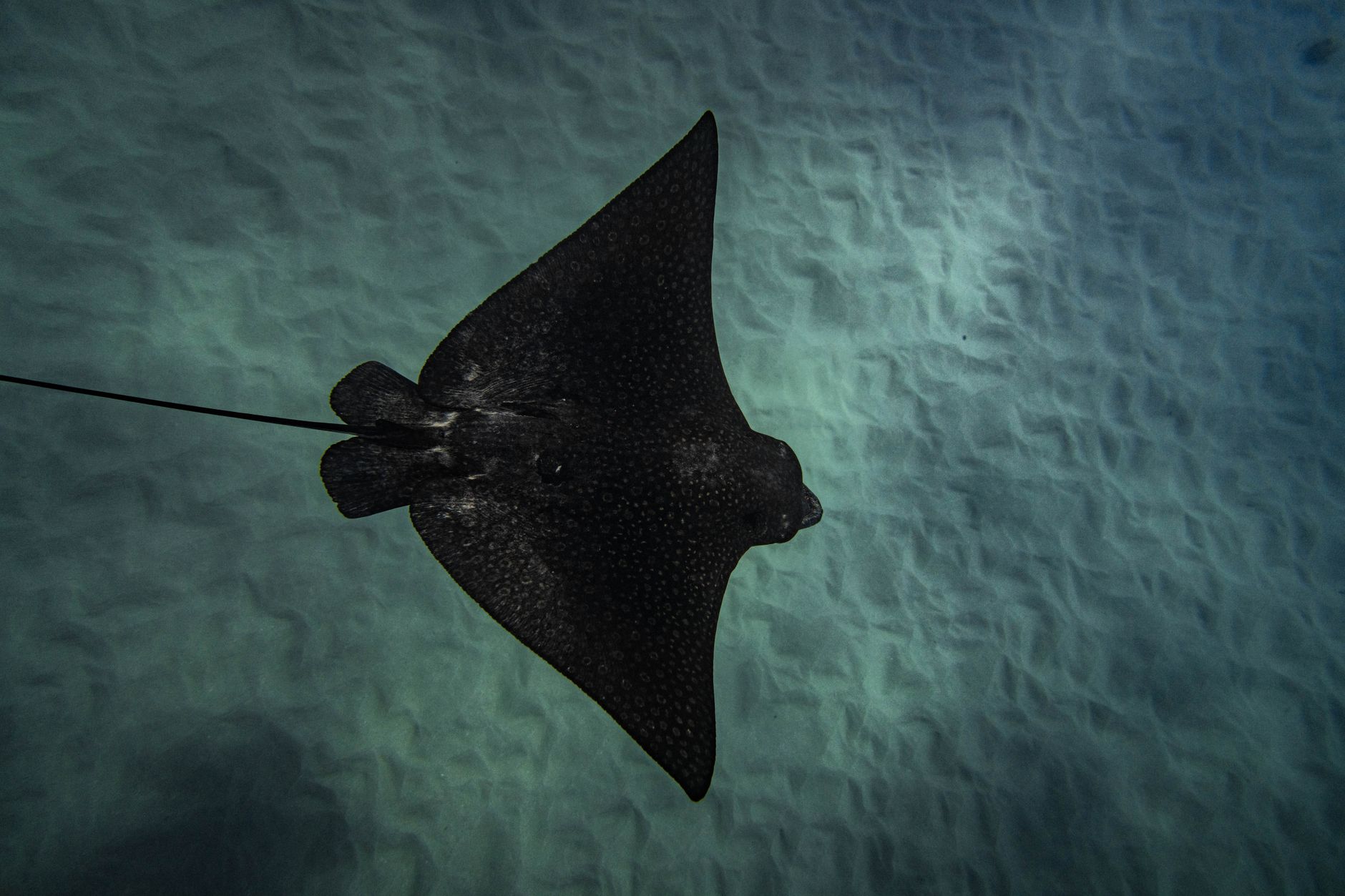
Are Eagle Rays Herbivores? Unveiling the Truth About Their Diet
Eagle rays are not primarily herbivores, although they may occasionally consume algae or seagrass. They are classified as opportunistic carnivores, feeding primarily on invertebrates and small fish.

Introduction to Eagle Ray Diet
Eagle rays, magnificent creatures gracing tropical and temperate waters worldwide, are often misunderstood. While many marine animals fit neatly into categories like herbivore or carnivore, eagle ray feeding habits are more nuanced. Understanding what these rays eat is crucial for appreciating their ecological role and conservation needs. This article explores the fascinating world of eagle ray diets, debunking common misconceptions and presenting the latest research.

What colours are fish most attracted to?
Can you put your finger in a trout's mouth?
Is methylene blue anti bacterial?
Does aquarium salt raise pH in aquarium?
The Predominant Carnivorous Nature of Eagle Rays

The core of an eagle ray’s diet consists of animals. They are skilled predators equipped with specialized teeth designed for crushing shells and exoskeletons. This is the biggest reason that when someone asks “Are eagle rays herbivores?” the answer is no.
- Bivalves: Clams, oysters, and mussels are a dietary staple.
- Crustaceans: Crabs, shrimps, and lobsters provide essential nutrients.
- Worms: Various marine worms contribute to their protein intake.
- Small Fish: Opportunistically, they will consume small fish.
Their feeding behavior is often characterized by digging in the sand with their snouts, using electroreceptors to locate buried prey. They then use their powerful jaws to crush the shells and extract the edible parts.
The Occasional Algae Consumption: A Misleading Clue
While eagle rays are primarily carnivores, studies have occasionally revealed traces of algae and seagrass in their stomachs. This leads to the question: “Are eagle rays herbivores?” This doesn’t automatically classify them as herbivores, or even omnivores. Several possibilities explain this phenomenon:
- Accidental Ingestion: They may inadvertently consume algae while foraging for buried invertebrates that live amongst the seagrass.
- Secondary Consumption: The algae may be present in the stomachs of the invertebrates they consume.
- Dietary Supplementation: In some rare instances, algae might provide supplementary nutrients when preferred prey is scarce.
However, there’s no evidence suggesting eagle rays possess the digestive system or physiological adaptations required to efficiently process plant matter as a primary food source.
Dietary Variations Based on Species and Location
It’s important to note that eagle ray diets can vary based on species and geographic location. For example, different species of eagle rays exist, and some may be more opportunistic than others, leading to variations in their diet. Furthermore, food availability in different regions will also influence their feeding habits. Further research into these regional variations is crucial for understanding the specific nutritional needs of different eagle ray populations. To summarize, we see variance in answers to the question “Are eagle rays herbivores?” depending on species and location of eagle rays.
Importance of a Balanced Marine Ecosystem
Eagle rays play a vital role in maintaining the health of marine ecosystems. As predators, they help control populations of benthic invertebrates, preventing any single species from dominating. Their feeding activities also contribute to nutrient cycling and sediment turnover. Protecting eagle ray populations is therefore essential for maintaining the overall balance and resilience of coastal ecosystems.
Impact of Habitat Degradation on Eagle Ray Diets
Habitat degradation, caused by pollution, coastal development, and destructive fishing practices, poses a significant threat to eagle ray populations and their diets. Loss of seagrass beds and coral reefs reduces foraging grounds and decreases the availability of their preferred prey. This can lead to malnutrition, decreased reproductive success, and ultimately, population declines. Conservation efforts must focus on protecting and restoring these critical habitats.
Conservation Efforts and Future Research
Effective conservation strategies require a thorough understanding of eagle ray diets and habitat requirements. Future research should focus on:
- Conducting comprehensive diet analyses using stable isotope analysis and molecular techniques.
- Monitoring prey availability in different habitats.
- Assessing the impact of habitat degradation on eagle ray foraging behavior and nutritional status.
- Implementing sustainable fishing practices to protect their prey species.
| Research Area | Focus | Importance |
|---|---|---|
| Diet Composition | Detailed analysis of stomach contents | Understanding specific prey preferences and nutritional needs |
| Foraging Behavior | Tracking movement and feeding patterns | Identifying critical foraging habitats and potential threats |
| Habitat Utilization | Assessing the use of different habitats | Protecting and restoring important feeding areas |
| Population Genetics | Identifying distinct populations | Tailoring conservation efforts to specific genetic groups |
Frequently Asked Questions About Eagle Ray Diets
Do eagle rays eat coral?
No, eagle rays do not typically eat coral. Their diet consists primarily of invertebrates like clams, crabs, and worms. While they may occasionally forage near coral reefs, they are not directly consuming the coral itself.
Are eagle rays dangerous to humans?
Eagle rays are generally docile creatures and pose little threat to humans. However, like any wild animal, they should be treated with respect. Their barb (spine) contains venom, but they only use it for self-defense if they feel threatened.
What is the main food source for eagle rays?
The main food source for eagle rays is benthic invertebrates, specifically clams, oysters, mussels, crabs, shrimps, and worms. They are well-adapted to crushing shells and extracting the meat.
Do eagle rays hunt in groups?
While not common, some eagle ray species have been observed foraging in groups. This behavior may increase their efficiency in locating and accessing buried prey.
How do eagle rays find their food?
Eagle rays use a combination of senses to find their food. They have electroreceptors that can detect the electrical fields produced by buried prey. They also use their sense of smell and touch to locate food items.
Do juvenile eagle rays have a different diet than adults?
There is some evidence suggesting that juvenile eagle rays may have a slightly different diet than adults. They may focus on smaller prey items that are easier to consume, such as small crustaceans and worms.
What impact does pollution have on eagle ray diets?
Pollution can have a significant impact on eagle ray diets. Contaminants can accumulate in their prey, making them toxic to eat. Habitat destruction caused by pollution can also reduce the availability of food.
How can I help protect eagle rays and their food sources?
You can help protect eagle rays by supporting sustainable fishing practices, reducing your consumption of single-use plastics, and advocating for policies that protect marine habitats.
Do eagle rays have teeth?
Yes, eagle rays have flattened, plate-like teeth that are well-suited for crushing the shells of their prey. These teeth are arranged in rows, allowing them to efficiently process hard-shelled invertebrates.
Are eagle rays related to stingrays?
Yes, eagle rays are related to stingrays. Both belong to the order Myliobatiformes, which includes all rays with whip-like tails.
Do eagle rays only live in saltwater environments?
Yes, eagle rays are exclusively found in saltwater environments. They inhabit tropical and temperate coastal waters around the world.
What is the lifespan of an eagle ray?
The lifespan of an eagle ray varies depending on the species, but some species can live for more than 20 years in the wild. Understanding this longevity helps to appreciate the long-term impact of threats on their populations.