

Are Dogs OK With Missing Teeth?
Generally, dogs can adapt to missing teeth, especially if the loss occurs gradually. However, the impact on their quality of life depends on the number and location of the missing teeth, as well as the underlying cause and whether it’s addressed.

Introduction: The Canine Smile and Tooth Loss
A dog’s teeth are critical for much more than just flashing a charming smile. They are essential for grasping, tearing, and chewing food, contributing significantly to overall health and well-being. Tooth loss in dogs is a common issue, often stemming from periodontal disease, injuries, or genetic predispositions. This leads many owners to ask: Are dogs OK with missing teeth? The answer, as with many aspects of canine health, is nuanced. While dogs are remarkably adaptable, the implications of missing teeth vary greatly depending on several factors.

What colours are fish most attracted to?
Can you put your finger in a trout's mouth?
Is methylene blue anti bacterial?
Does aquarium salt raise pH in aquarium?
Common Causes of Tooth Loss in Dogs
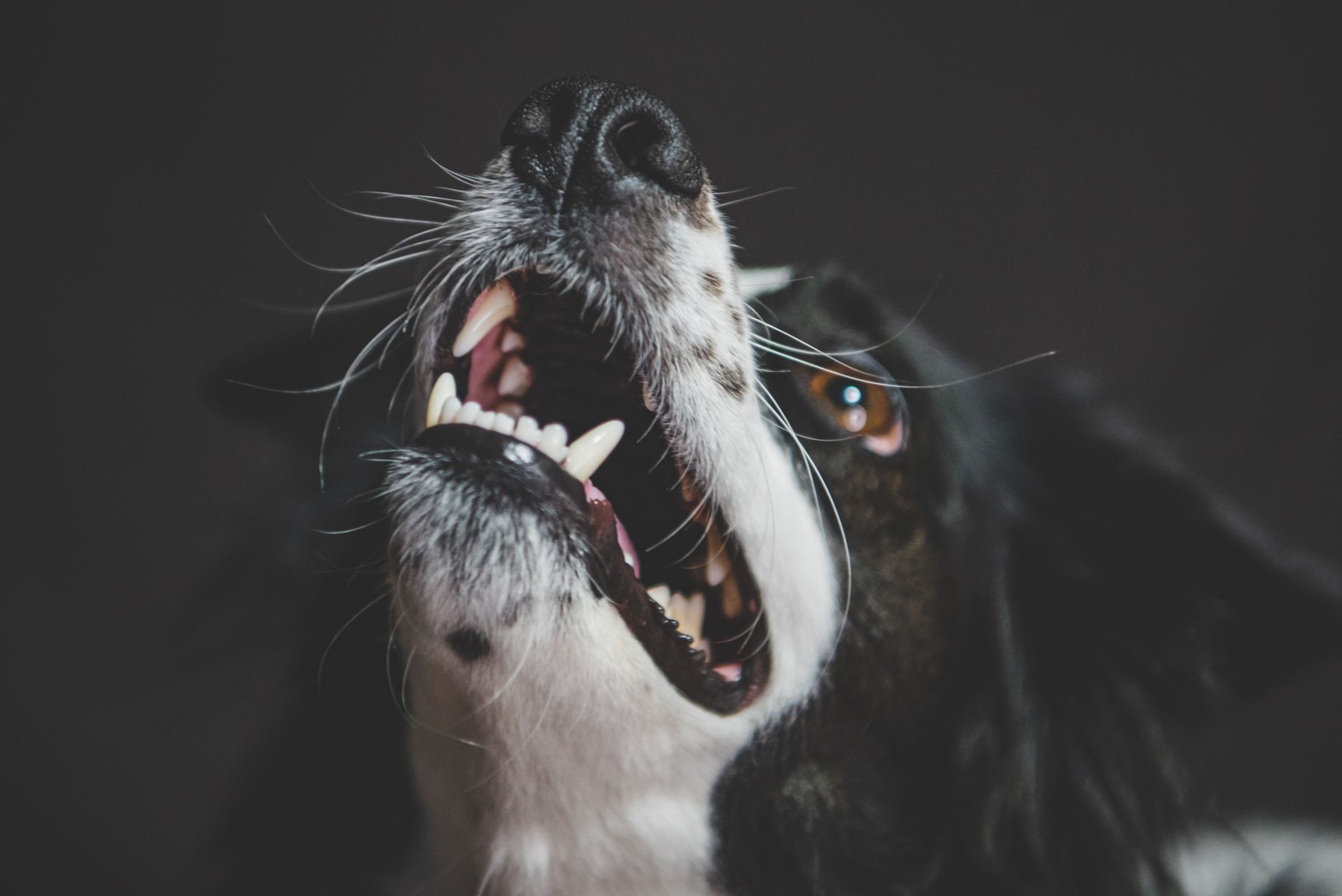
Understanding why dogs lose teeth is the first step in addressing the issue and minimizing its impact. Several factors can contribute to tooth loss:
- Periodontal Disease: This is the most common cause, resulting from plaque and tartar buildup leading to inflammation, gum recession, and ultimately, tooth loss.
- Trauma: Accidents, fights, or chewing on hard objects can cause teeth to break or be knocked out entirely.
- Genetics: Certain breeds are predisposed to dental problems, increasing their likelihood of tooth loss.
- Tumors: Oral tumors, both benign and malignant, can affect tooth structure and lead to their removal.
- Retained Deciduous Teeth: Puppies who retain their baby teeth beyond the normal shedding period can experience overcrowding and dental issues.
Adaptation to Missing Teeth
Dogs possess a remarkable ability to adapt to changes in their physical condition. While a full set of teeth is ideal, many dogs can successfully manage with fewer teeth, particularly if the loss occurs gradually. This adaptation involves:
- Modifying Eating Habits: Dogs may learn to swallow food in smaller pieces or prefer softer foods.
- Strengthening Remaining Teeth: The remaining teeth may bear a greater workload, necessitating diligent dental care.
- Compensatory Chewing: Dogs may adjust their chewing patterns to utilize the remaining teeth effectively.
Factors Influencing Adaptation
The success of a dog’s adaptation to missing teeth depends on several key factors:
- Number of Missing Teeth: Losing one or two teeth, especially molars, often has minimal impact. Significant tooth loss, however, can affect chewing efficiency.
- Location of Missing Teeth: Incisors are primarily used for grooming and grasping, so their loss may be less critical than the loss of canines or molars, which are essential for tearing and grinding food.
- Underlying Cause of Tooth Loss: If the tooth loss is due to periodontal disease, addressing the underlying infection and inflammation is critical to prevent further loss.
- Diet: A softer diet may be necessary for dogs with significant tooth loss to ensure adequate nutrition.
- Age and Overall Health: Younger dogs and those in good overall health generally adapt more easily.
Maintaining Oral Hygiene in Dogs with Missing Teeth
Even with missing teeth, maintaining oral hygiene is crucial to prevent further dental problems.
- Regular Brushing: Brush your dog’s teeth daily with a dog-specific toothbrush and toothpaste.
- Dental Chews: Use vet-approved dental chews to help remove plaque and tartar.
- Professional Cleanings: Schedule regular professional dental cleanings with your veterinarian.
- Dietary Considerations: Choose a high-quality dog food that promotes dental health.
- Avoid Hard Toys: Steer clear of hard toys that could damage remaining teeth.
Potential Complications
While many dogs adjust well, potential complications can arise from missing teeth:
- Difficulty Chewing: This can lead to digestive issues if food isn’t properly broken down.
- Weight Loss: Reduced appetite due to chewing difficulties can cause weight loss.
- Further Tooth Loss: Untreated periodontal disease can lead to further tooth loss.
- Oral Pain: Infection and inflammation can cause oral pain and discomfort.
- Bone Loss: Missing teeth can result in bone loss in the jaw.
Dietary Adjustments for Dogs with Missing Teeth
Dietary adjustments are frequently necessary to support dogs with missing teeth.
- Soft Food: Wet food or softened kibble can be easier to chew and digest.
- Smaller Meals: Feeding smaller, more frequent meals can reduce the burden on the digestive system.
- High-Quality Protein: Ensure your dog receives adequate protein for muscle maintenance and overall health.
- Supplements: Consider adding supplements, such as digestive enzymes, to aid digestion.
Prevention is Key
Preventing tooth loss is always better than treating it. Regular dental care can significantly reduce the risk of periodontal disease and other dental problems.
- Start Early: Begin dental care early in your dog’s life to establish good habits.
- Regular Checkups: Schedule regular veterinary checkups, including dental examinations.
- Proper Diet: Feed a high-quality diet that supports dental health.
- Home Care: Practice consistent home dental care, including brushing and dental chews.
| Prevention Method | Description |
|---|---|
| Daily Brushing | Removes plaque and tartar buildup to prevent periodontal disease. |
| Dental Chews | Helps clean teeth and massage gums. |
| Regular Vet Visits | Allows for early detection and treatment of dental problems. |
| Proper Diet | Provides essential nutrients for healthy teeth and gums. |
When to Consult a Veterinarian
Consult your veterinarian if you notice any of the following signs:
- Bad breath
- Excessive drooling
- Difficulty chewing
- Bleeding gums
- Loose teeth
- Swelling in the mouth
- Loss of appetite
Frequently Asked Questions About Tooth Loss in Dogs
Are dogs OK with missing teeth? Here are some frequently asked questions to help you better understand the issue:
What is the most common cause of tooth loss in dogs?
The most common cause of tooth loss in dogs is periodontal disease, a bacterial infection that affects the gums and supporting structures of the teeth. Early detection and treatment are crucial to preventing further damage.
Can missing teeth affect a dog’s eating habits?
Yes, missing teeth can affect a dog’s eating habits. They may have difficulty chewing hard kibble or tough treats and may prefer softer foods. Observing your dog’s eating behavior is important to identify any potential problems.
How can I help my dog with missing teeth eat more comfortably?
You can help your dog eat more comfortably by offering softened kibble, canned food, or homemade meals that are easier to chew. Consider using a raised food bowl to reduce strain on their neck.
Is it necessary to extract loose teeth in dogs?
Yes, it’s usually necessary to extract loose teeth in dogs. Loose teeth can cause pain and infection and can also damage surrounding teeth. Your veterinarian will assess the situation and recommend the best course of action.
Can dogs live a long and healthy life with missing teeth?
Yes, dogs can live a long and healthy life with missing teeth, especially if the underlying cause of the tooth loss is addressed and they receive proper dental care and a suitable diet.
Are certain dog breeds more prone to tooth loss?
Yes, certain breeds, such as small breeds like Chihuahuas and Yorkshire Terriers, are more prone to dental problems and tooth loss due to their small jaw size and crowded teeth.
What are some signs of dental disease in dogs?
Signs of dental disease in dogs include bad breath, excessive drooling, difficulty chewing, bleeding gums, loose teeth, and a decrease in appetite.
How often should I brush my dog’s teeth?
Ideally, you should brush your dog’s teeth daily to remove plaque and tartar buildup. If daily brushing isn’t possible, aim for at least three times per week.
Can I use human toothpaste on my dog’s teeth?
No, you should never use human toothpaste on your dog’s teeth. Human toothpaste contains ingredients that can be toxic to dogs if swallowed. Use a dog-specific toothpaste.
What are dental chews and how can they help my dog’s dental health?
Dental chews are specially designed treats that help to remove plaque and tartar from your dog’s teeth as they chew. Choose vet-approved dental chews for optimal safety and effectiveness.
Are there any surgical options for replacing missing teeth in dogs?
While less common than in human dentistry, there are some surgical options for replacing missing teeth in dogs, such as dental implants. Consult with a veterinary dentist to determine if this is a suitable option for your dog.
How much will it cost to have my dog’s teeth cleaned and extracted?
The cost of dental cleanings and extractions in dogs can vary widely depending on the severity of the dental disease, the number of teeth needing extraction, and the location of the veterinary clinic. It’s best to get a detailed estimate from your veterinarian.