
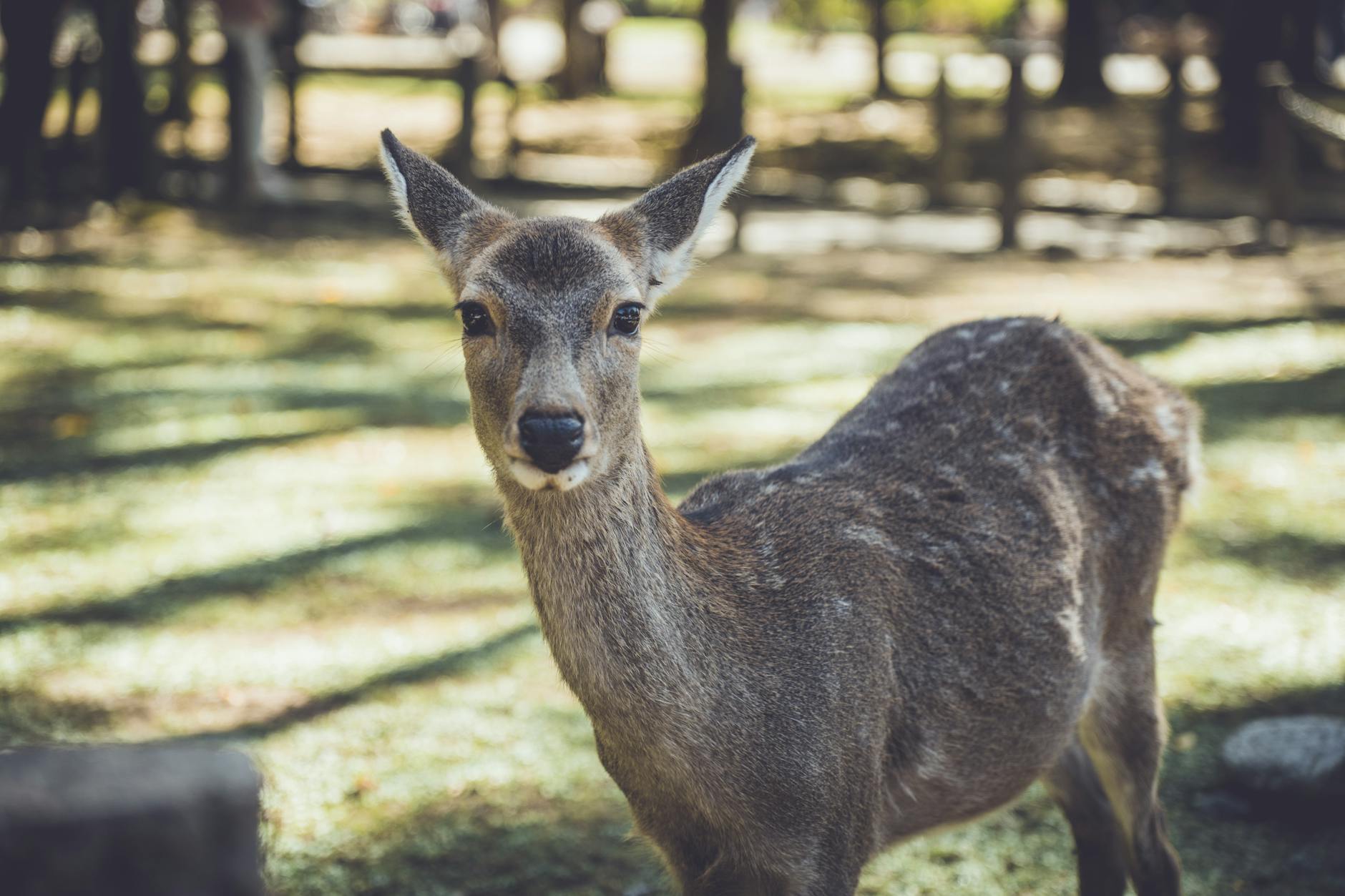
Are Deer Moving During the Day? Understanding Diurnal Deer Behavior
Yes, deer do move during the day, but their activity patterns are complex and influenced by various factors. While often associated with dawn and dusk, understanding when and why deer are active during daylight hours is crucial for hunters, wildlife enthusiasts, and anyone seeking to avoid deer-vehicle collisions.

Introduction to Deer Activity Patterns
Deer, particularly white-tailed deer, are often perceived as primarily crepuscular animals – most active during dawn and dusk. However, this is a simplification. Are deer moving during the day? The answer is a resounding yes, although the frequency and intensity of their activity vary considerably. Understanding the ecological and behavioral drivers behind their movement patterns is essential for predicting their presence at any given time. Factors like food availability, predator pressure, mating season, and even weather conditions can significantly influence when deer choose to be active.

Is distilled water good for goldfish?
What colours are fish most attracted to?
Can you put your finger in a trout's mouth?
Is methylene blue anti bacterial?
Factors Influencing Diurnal Deer Movement

Several factors contribute to whether deer are moving during the day. Understanding these elements is key to predicting their behavior and managing interactions with these animals.
- Food Availability: Deer are primarily herbivores, and their activity is strongly linked to finding food. If preferred food sources are abundant and accessible during the day, deer are more likely to venture out. Seasonal changes in vegetation also play a role.
- Predator Pressure: In areas with high predator populations (such as coyotes, wolves, or bears), deer might alter their behavior to avoid encounters. Daytime movement can be a strategy to minimize the risk of predation, particularly in open areas.
- Breeding Season (Rut): During the rut, deer behavior becomes less predictable. Bucks are actively searching for mates and may move at any time of day or night, disregarding typical activity patterns. Does, similarly, become more active as they seek suitable breeding partners.
- Weather Conditions: Extreme weather can influence deer movement. In hot weather, deer may seek shade during the hottest parts of the day and become more active in the cooler morning and evening hours. Conversely, in cold weather, they might bask in the sun during the day to conserve energy.
- Human Disturbance: Human activity can impact deer behavior. In areas with high levels of human presence, deer may become more nocturnal to avoid contact. However, in areas where deer are habituated to humans, they may be more active during the day.
The Impact of Seasons on Deer Activity
The seasons profoundly affect deer movement patterns. The cyclical changes in weather, food availability, and breeding behavior drive significant shifts in their diurnal activity.
| Season | Daylight Activity Level | Primary Motivations |
|---|---|---|
| :——— | :——————— | :———————————————————————————– |
| Spring | Moderate | Finding new growth, replenishing energy reserves after winter. |
| Summer | Variable | Balancing feeding with avoiding heat, foraging on lush vegetation. |
| Fall (Rut) | High | Mating behavior, buck competition, doe receptivity. |
| Winter | Reduced | Conserving energy, searching for scarce food sources, seeking shelter from the cold. |
Understanding Deer Behavior During Different Times of Day
While crepuscular activity is common, understanding the nuances of deer behavior at different times can provide valuable insights.
- Early Morning: Deer often move from their bedding areas to feeding locations as the sun rises. This is a peak activity period.
- Mid-Day: During the middle of the day, deer typically rest in shaded or sheltered areas to conserve energy. However, they may still move short distances for water or browse.
- Late Afternoon: As the day cools, deer become more active again, moving towards feeding areas or preparing for the evening.
- Evening: Similar to early morning, this is another peak activity period as deer actively forage before nightfall.
Tips for Observing Deer During the Day
If you’re interested in observing deer moving during the day, here are some helpful tips:
- Choose the Right Location: Look for areas with good deer habitat, such as forests, fields, and edges.
- Be Patient: Deer are often wary, so patience is key. Find a comfortable spot and wait quietly.
- Use Binoculars: Binoculars will help you spot deer from a distance without disturbing them.
- Look for Sign: Deer leave behind signs like tracks, droppings, and rubs on trees. These can indicate their presence and movement patterns.
- Consider the Time of Year: The rut (breeding season) in the fall often results in increased daytime activity.
Frequently Asked Questions (FAQs)
Are deer primarily nocturnal animals?
No, deer are not primarily nocturnal. While they can be active at night, they are most commonly described as crepuscular, meaning they are most active during dawn and dusk. Their activity patterns are influenced by several factors, leading to daytime movement as well.
Why do deer sometimes move during the day?
Deer move during the day for a variety of reasons, including the availability of food, predator pressure, breeding season activity, and weather conditions. The specific reasons depend on the local environment and time of year.
Does the rut affect daytime deer movement?
Yes, the rut (breeding season) significantly increases daytime deer movement. Bucks are actively searching for mates, and does are more receptive, leading to increased activity at all times of day and night.
How does weather influence daytime deer movement?
Extreme weather conditions can influence daytime deer movement. In hot weather, deer may seek shade during the hottest part of the day, while in cold weather, they may bask in the sun to conserve energy. They will adjust their foraging patterns accordingly.
Are deer more likely to be active during the day in urban areas?
In some urban areas, deer may become more habituated to human presence and exhibit increased daytime activity. This is often due to a lack of predators and readily available food sources.
How can I avoid hitting a deer while driving during the day?
To avoid hitting a deer during the day, remain vigilant, especially in areas known for deer crossings. Reduce speed, scan the sides of the road, and be prepared to brake suddenly. Deer often travel in groups, so if you see one, expect others to follow.
What is the best time of day to see deer?
While deer can be seen at any time, the best times to see them are typically dawn and dusk, when they are most active in moving between their bedding areas and feeding locations.
Do deer move more during the day in areas with heavy hunting pressure?
In areas with heavy hunting pressure, deer often become more nocturnal to avoid hunters. This can reduce their daytime activity, making them harder to spot during daylight hours.
What kind of food sources encourage daytime deer movement?
Abundant and easily accessible food sources can encourage daytime deer movement. This includes agricultural crops, fruit trees, and lush vegetation in forests and fields. Deer will actively seek out these resources whenever they are available.
How do young fawns impact a doe’s daytime activity?
Does with young fawns may exhibit increased daytime activity as they forage to provide enough milk for their offspring. They also need to keep a vigilant watch over their young, requiring more frequent movement.
Are all species of deer equally likely to move during the day?
While the general principles apply to most deer species, specific activity patterns can vary. For example, some species may be more naturally inclined towards nocturnal behavior than others. Researching the specific species in your area is important.
If deer are moving during the day, how can I attract them to my property?
If it is legal in your location, providing a consistent and safe food source can attract deer to your property during the day. This could involve planting deer-friendly vegetation or providing supplemental feed, but ensure that you are adhering to all local regulations. Also ensure a good water source. Creating safe bedding areas will also encourage deer to visit.