

Can I Use White Vinegar on My Dog for Yeast Infection?
Using white vinegar on your dog for a yeast infection can be potentially helpful as a supplementary treatment due to its antifungal properties, but it’s crucial to consult with a veterinarian before trying it.
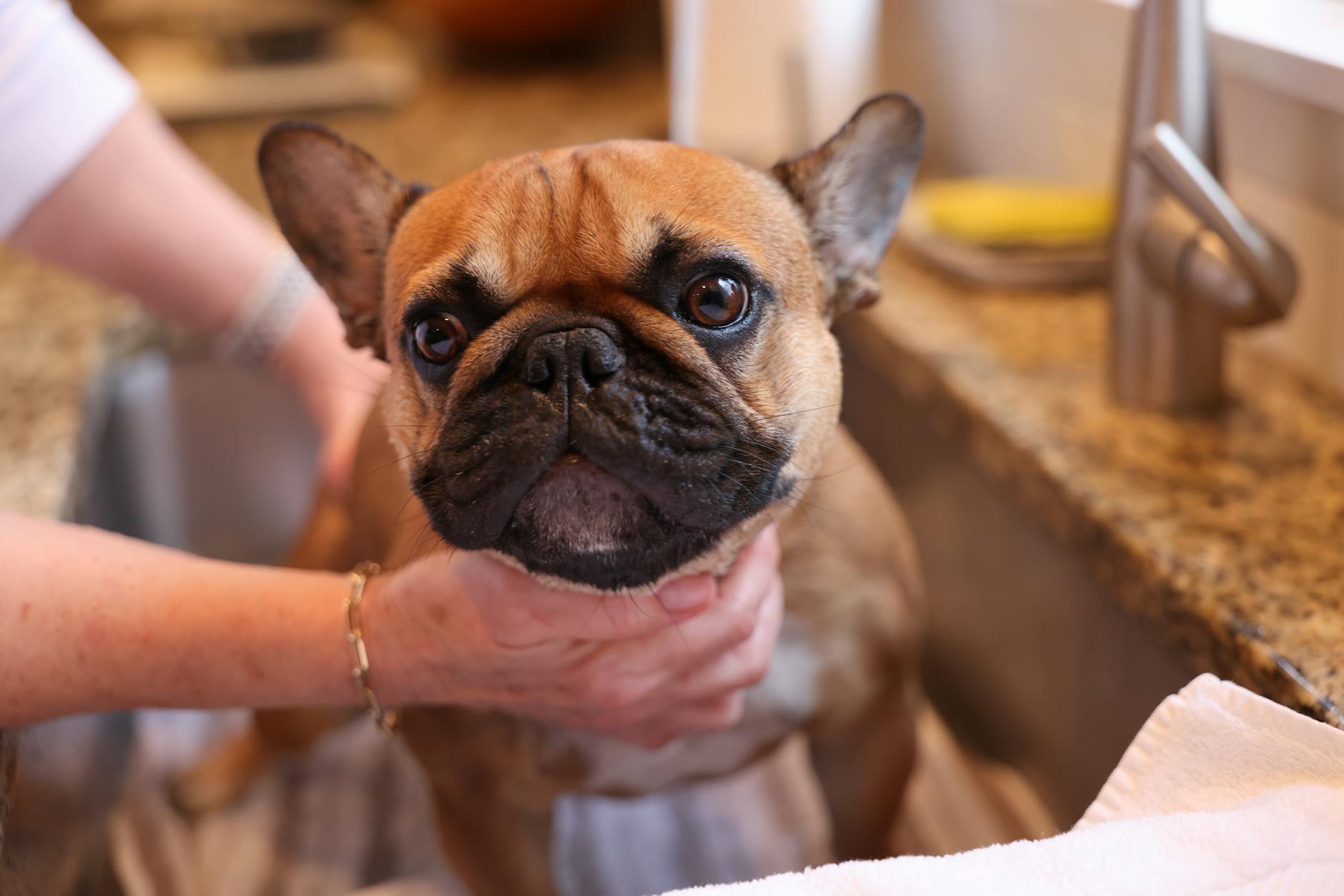
Introduction: Understanding Canine Yeast Infections
Canine yeast infections, often caused by the Malassezia yeast, are a common skin ailment in dogs. These infections can lead to intense itching, redness, inflammation, and a characteristic musty odor. While prescription medications like antifungal creams and oral medications are the primary treatment options, some dog owners explore home remedies like white vinegar as an adjunct therapy. Can I use white vinegar on my dog for yeast infection? The answer is complex, and requires a thorough understanding of the risks and benefits.
The Potential Benefits of White Vinegar
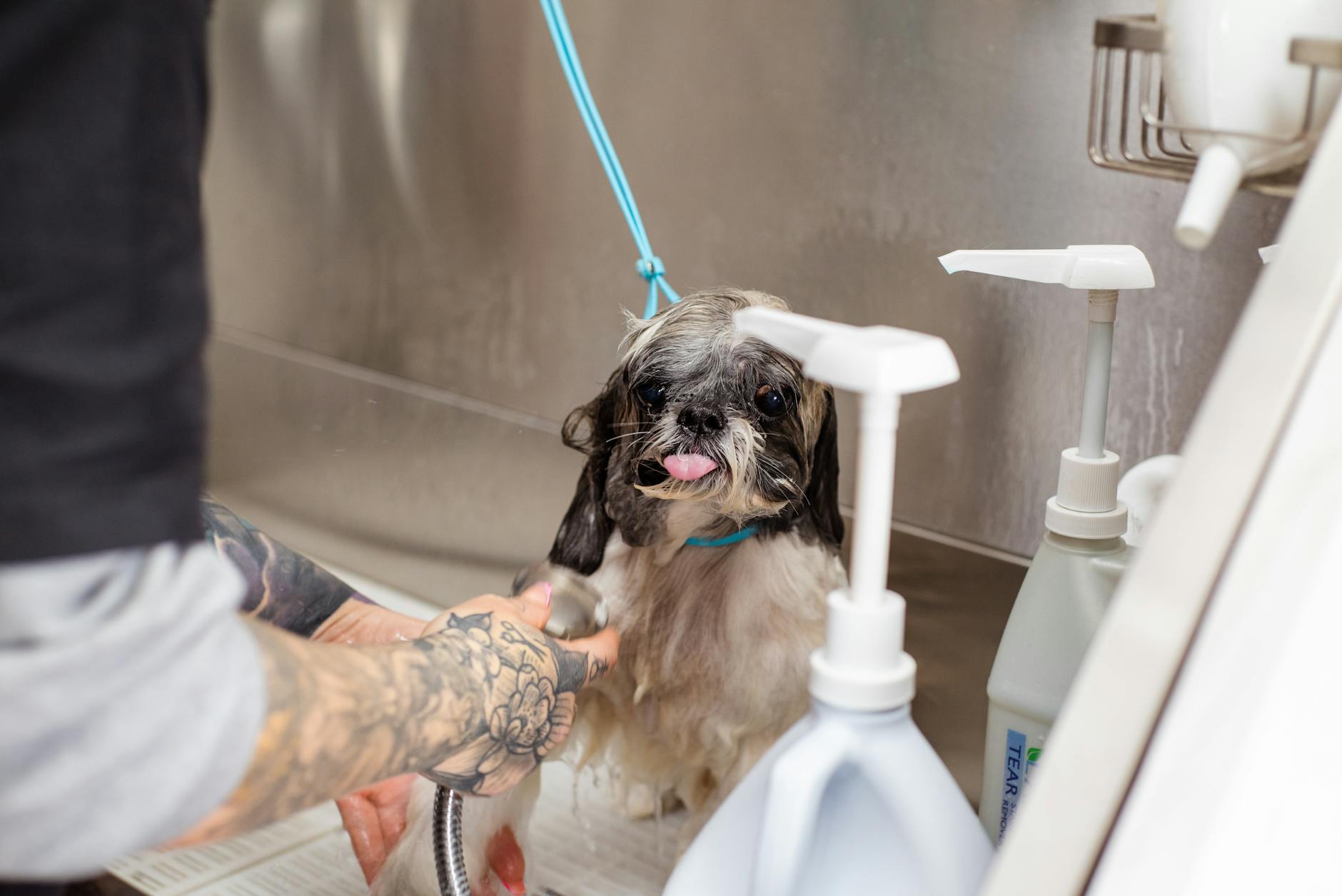
White vinegar contains acetic acid, which has antifungal and antibacterial properties. In theory, diluted white vinegar could help to:
- Inhibit yeast growth: The acidic environment can make it less hospitable for Malassezia to thrive.
- Reduce itching: Some owners report that diluted vinegar can provide temporary relief from itching.
- Clean affected areas: Vinegar can help remove debris and discharge from the skin.
When White Vinegar Might Not Be Suitable
It’s vital to acknowledge the limitations and potential risks:
- Severity of the infection: White vinegar is unlikely to cure a severe or widespread yeast infection. It’s best used as a supplemental measure, not a replacement for veterinary care.
- Open wounds or sores: Applying vinegar to broken skin can cause pain and irritation, and potentially worsen the condition.
- Allergies: Some dogs may be allergic to vinegar. Perform a small patch test before applying it to a larger area.
- Incorrect dilution: Using undiluted or excessively concentrated vinegar can burn or irritate the skin.
How to Use White Vinegar Safely (If Approved by Your Vet)
Important: Always consult with your veterinarian before using white vinegar on your dog. If your vet approves its use, follow these guidelines carefully:
- Dilution: Mix white vinegar with water in a 1:1 or 1:2 ratio (vinegar:water), depending on your dog’s sensitivity and the severity of the infection. Start with the weaker dilution (1:2).
- Patch Test: Apply a small amount of the diluted solution to an inconspicuous area of your dog’s skin (e.g., inside the ear flap or on the belly). Wait 24 hours to check for any adverse reactions like redness, irritation, or increased itching.
- Application: If the patch test is successful, you can apply the diluted vinegar to the affected area using a cotton ball or spray bottle. Avoid getting it in your dog’s eyes, nose, or mouth.
- Frequency: Apply the vinegar solution once or twice daily, as directed by your veterinarian.
- Drying: Ensure the area is thoroughly dry after application to prevent further yeast growth.
Common Mistakes to Avoid
- Using undiluted vinegar: This can cause burns and severe irritation.
- Applying to open wounds: This can cause pain and delay healing.
- Using vinegar as the sole treatment: Yeast infections often require prescription medications for effective treatment.
- Ignoring signs of irritation: Discontinue use if your dog shows any signs of discomfort or worsening of the condition.
- Using on sensitive areas: Be careful around the eyes, nose, mouth, and genital area.
Alternative and Complementary Treatments
While exploring Can I use white vinegar on my dog for yeast infection?, consider other options:
- Antifungal shampoos: Medicated shampoos containing ketoconazole or miconazole can help control yeast overgrowth.
- Oral antifungal medications: These are prescribed by veterinarians for more severe infections.
- Probiotics: Supporting gut health can help boost the immune system and prevent yeast overgrowth.
- Dietary changes: Reducing carbohydrates and sugars in your dog’s diet can limit the food source for yeast.
Comparison: White Vinegar vs. Other Antifungals
| Treatment | Pros | Cons |
|---|---|---|
| White Vinegar | Inexpensive, readily available, potentially reduces itching. | May not be effective for severe infections, can cause irritation if not diluted properly. |
| Antifungal Shampoo | Targeted application, contains proven antifungal ingredients. | May require frequent bathing, can be drying to the skin. |
| Oral Antifungals | Systemic treatment, effective for widespread infections. | Potential side effects, requires a veterinary prescription. |

FAQs: Deep Dive into Using White Vinegar for Canine Yeast Infections
Can I use white vinegar on my dog for yeast infection? It bears repeating that you should only proceed under the guidance of a veterinarian.
Is it safe to use white vinegar on my dog’s ears for a yeast infection?
While diluted white vinegar might be helpful for ear yeast infections, the ear canal is a sensitive area. Overzealous application, an inappropriate dilution, or the presence of a ruptured eardrum can lead to serious complications. Always consult with your vet before using any home remedy in your dog’s ears.
What is the best dilution ratio for white vinegar and water for treating a dog’s yeast infection?
A common starting point is a 1:2 ratio (one part white vinegar to two parts water). However, your veterinarian can recommend the most appropriate dilution based on your dog’s individual needs and the severity of the infection.
How often should I apply white vinegar to my dog’s skin for a yeast infection?
Typically, application once or twice daily is recommended, but it depends on the dog’s condition. It is crucial to follow your veterinarian’s instructions.
What are the signs that my dog is having a negative reaction to white vinegar?
Signs of a negative reaction include increased redness, itching, swelling, pain, or worsening of the skin condition. If you notice any of these signs, immediately discontinue use and contact your veterinarian.
Can I use apple cider vinegar instead of white vinegar?
Apple cider vinegar is another option with similar properties, but it’s essential to use it in the same diluted form as white vinegar and to monitor for any adverse reactions. Consult your vet before switching.
Will white vinegar completely cure my dog’s yeast infection?
White vinegar is unlikely to be a standalone cure for a yeast infection. It should be used as part of a comprehensive treatment plan recommended by your veterinarian.
What other home remedies can I use for my dog’s yeast infection?
Other home remedies sometimes suggested include coconut oil (applied topically), probiotics, and dietary changes. However, always consult your veterinarian before trying any new treatment.
How long does it take to see results when using white vinegar for a yeast infection?
Results can vary depending on the severity of the infection. You should typically see some improvement within a few days to a week, but it’s essential to continue treatment as directed by your veterinarian. If you don’t see any improvement or if the condition worsens, contact your vet.
Is it safe to use white vinegar on puppies?
Puppies have more sensitive skin than adult dogs. It’s generally not recommended to use white vinegar on puppies without the specific guidance of a veterinarian.
How do I prevent yeast infections in my dog?
Prevention strategies include: maintaining good hygiene, feeding a balanced diet, ensuring proper ventilation and drying after bathing or swimming, and promptly addressing any underlying health conditions. Regularly consult with your vet for preventive care.
Can stress cause yeast infections in dogs?
Yes, stress can weaken a dog’s immune system, making them more susceptible to yeast infections. Minimize stressors in your dog’s environment and provide plenty of exercise and mental stimulation.
What are the long-term effects of using white vinegar on my dog’s skin?
Long-term use of improperly diluted white vinegar can potentially cause skin dryness or irritation. It is important to use the correct dilution and to monitor your dog’s skin for any adverse reactions. Always consult with your veterinarian before using white vinegar for an extended period.