
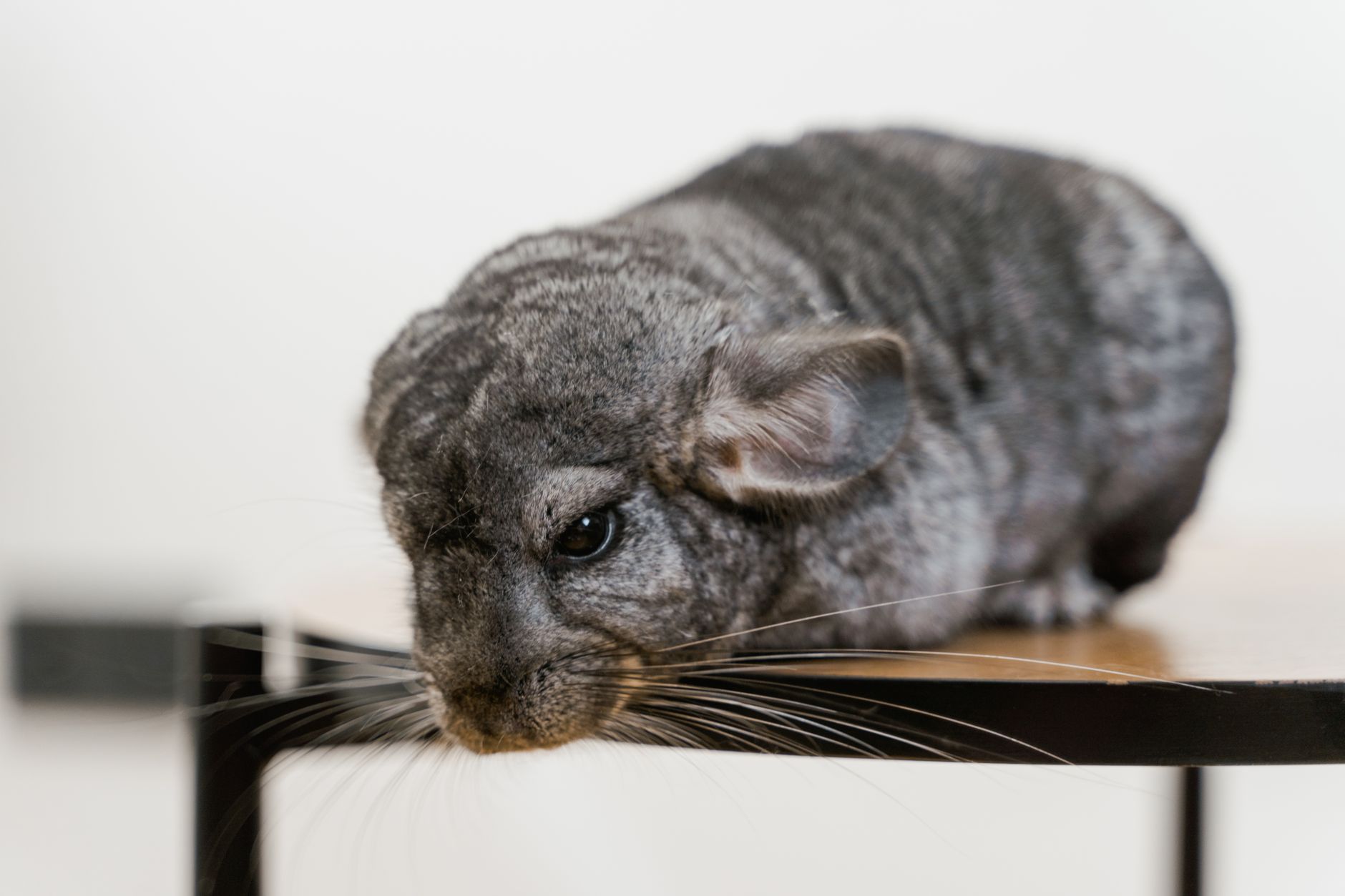
Are Chinchillas Hard Pets? Unveiling the Truth About Chin Care
Chinchillas can be challenging pets, requiring specific environments and meticulous care. Though undeniably charming, understanding their unique needs is crucial before welcoming these fluffy companions into your home.
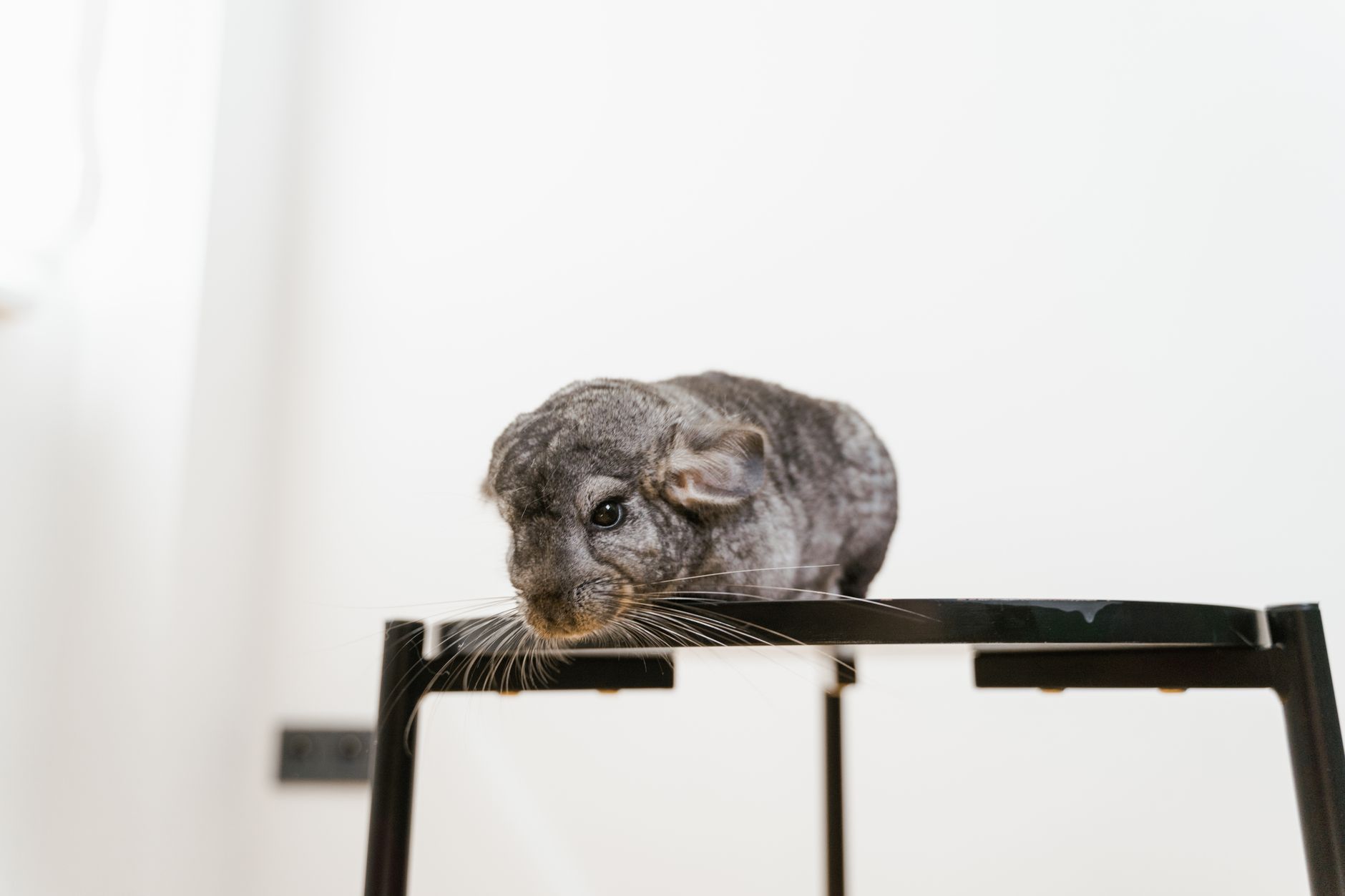
Understanding the Chinchilla’s Charm and Challenge
Chinchillas, with their unbelievably soft fur and playful personalities, have become increasingly popular as exotic pets. However, their specialized requirements mean Are chinchillas hard pets? is a question that deserves serious consideration. They aren’t cuddly like cats or dogs and require a dedicated owner to thrive. Many owners are unprepared for the level of care needed, which leads to improper care and chinchillas living shorter lives or being given up for adoption. Let’s delve into the intricacies of chinchilla care, helping you determine if these endearing creatures are the right fit for your lifestyle.

What colours are fish most attracted to?
Can you put your finger in a trout's mouth?
Is methylene blue anti bacterial?
Does aquarium salt raise pH in aquarium?
Housing Requirements: A Sanctuary of Coolness and Space

Chinchillas are native to the Andes Mountains, where they experience cool, dry climates. Replicating this environment is paramount to their well-being. High temperatures and humidity are extremely dangerous for them, often leading to heatstroke.
- Temperature Control: The ideal temperature range for chinchillas is between 60-75°F (15-24°C). Owners must be diligent in maintaining this range, particularly during warmer months. Air conditioning is often necessary.
- Spacious Cage: Chinchillas are active and need ample space to jump, climb, and play. A multi-tiered cage is a must.
- Chew-Proof Materials: Chinchillas are avid chewers. Cages and accessories should be made of metal, kiln-dried pine, or safe, non-toxic materials. Avoid plastic components.
- Dust Baths: Essential for hygiene, dust baths help chinchillas maintain their fur’s natural oils. Provide a dust bath 2-3 times per week using specialized chinchilla dust (not sand).
Dietary Needs: A Delicate Balance of Hay, Pellets, and Treats
Chinchilla nutrition is another area where diligent attention is required.
- High-Fiber Diet: The cornerstone of a chinchilla’s diet is high-quality Timothy hay. It aids in digestion and prevents dental problems.
- Chinchilla Pellets: Provide a daily serving of chinchilla-specific pellets. Avoid those containing nuts or seeds.
- Limited Treats: Treats such as rose hips, dried cranberries (unsweetened), or small pieces of apple can be given sparingly. Overfeeding can lead to health issues.
- Fresh Water: Always provide access to fresh, filtered water in a sipper bottle or ceramic bowl.
Health and Wellness: Vigilance and Prevention
Chinchillas are generally hardy, but are susceptible to certain health problems.
- Dental Issues: Overgrown teeth are a common problem due to their continuously growing teeth. Providing plenty of hay helps wear down their teeth.
- Gastrointestinal Stasis: A potentially fatal condition where the digestive system slows or stops. A high-fiber diet is essential for prevention.
- Fur Ring: In males, fur can accumulate around the penis, causing discomfort and potential infection. Regular checks and gentle cleaning are necessary.
- Heatstroke: As mentioned earlier, high temperatures are extremely dangerous. Immediate cooling is vital if a chinchilla exhibits signs of heatstroke (lethargy, panting, red ears).
- Regular Vet Checkups: Establish a relationship with a veterinarian experienced with exotic animals. Annual checkups are recommended.
Interaction and Enrichment: Building a Bond
While chinchillas aren’t typically cuddly, they can form bonds with their owners.
- Gentle Handling: Handle chinchillas gently and avoid squeezing them, as their fur is delicate and can slip out easily.
- Playtime: Allow supervised playtime outside the cage in a safe, enclosed area free of hazards.
- Mental Stimulation: Provide toys such as wooden blocks, chew sticks, and tunnels to keep them entertained.
- Consistency: Routine is important for chinchillas. Maintain a consistent feeding schedule and playtime routine.
Are Chinchillas Hard Pets? A Summary in Table Format
Here’s a breakdown of the key aspects of chinchilla care:
| Feature | Requirement | Difficulty Level |
|---|---|---|
| Housing | Large, multi-tiered cage, temperature control (60-75°F), chew-proof materials, dust bath | Medium-High |
| Diet | High-fiber Timothy hay, chinchilla pellets, limited treats, fresh water | Medium |
| Health | Regular vet checkups, dental care, prevention of heatstroke and GI stasis | Medium-High |
| Interaction | Gentle handling, supervised playtime, mental stimulation | Medium |
| Environment | Cool, dry, quiet environment free from stress | Medium-High |
Frequently Asked Questions (FAQs)
What is the lifespan of a chinchilla?
Chinchillas have a relatively long lifespan compared to other rodents, typically living 10-15 years in captivity. With proper care and a healthy environment, some chinchillas can even live for 20 years or more.
Are chinchillas nocturnal?
Chinchillas are technically crepuscular, meaning they are most active during dawn and dusk. However, they can adapt to their owner’s schedule to some extent.
Do chinchillas smell?
Chinchillas themselves are relatively odorless if their cage is cleaned regularly. The smell usually comes from urine and droppings if the cage is not properly maintained.
Can chinchillas be left alone for long periods?
While chinchillas are relatively independent, they shouldn’t be left alone for extended periods without someone checking on them. They need daily food and water replenishment and monitoring for any signs of illness. Short vacations are possible with proper arrangements.
Are chinchillas good pets for children?
Chinchillas are not ideal pets for young children. They are delicate animals that require gentle handling, and young children may not be able to provide the necessary care. Chinchillas may be better suited for older teens or adults.
What kind of dust should I use for dust baths?
Use only chinchilla-specific dust, which is a fine volcanic ash. Do not use sand, as it can damage their fur.
How often should I clean my chinchilla’s cage?
Spot cleaning should be done daily to remove soiled bedding and droppings. A thorough cage cleaning should be done weekly, replacing all bedding and disinfecting the cage.
What are the signs of a healthy chinchilla?
A healthy chinchilla should be alert, active, and have a shiny coat of fur. Their eyes should be clear and bright, and they should have a good appetite.
What are some common health problems in chinchillas?
Some common health problems in chinchillas include dental issues, gastrointestinal stasis, fur ring (in males), heatstroke, and respiratory infections.
Can chinchillas be housed with other animals?
Chinchillas should generally not be housed with other species, including other rodents. They are best kept with other chinchillas, ideally in same-sex pairs to prevent unwanted breeding.
What do I do if my chinchilla gets heatstroke?
If you suspect your chinchilla has heatstroke, immediately move them to a cool area and offer them cool water. You can also gently mist them with cool water. Contact your veterinarian immediately.
What is the best bedding for chinchillas?
Safe bedding options for chinchillas include kiln-dried pine shavings, paper-based bedding, or fleece liners. Avoid cedar shavings, which are toxic to chinchillas.
In conclusion, Are chinchillas hard pets? The answer is yes, they are challenging but rewarding companions for the right owner.