

Are Cats Sensitive to Laundry Detergent? Protecting Your Feline Friend
Are cats sensitive to laundry detergent? Yes, cats can absolutely be sensitive to laundry detergent, and the resulting reactions can range from mild skin irritation to more serious allergic responses.

Understanding Feline Sensitivity to Laundry Detergent
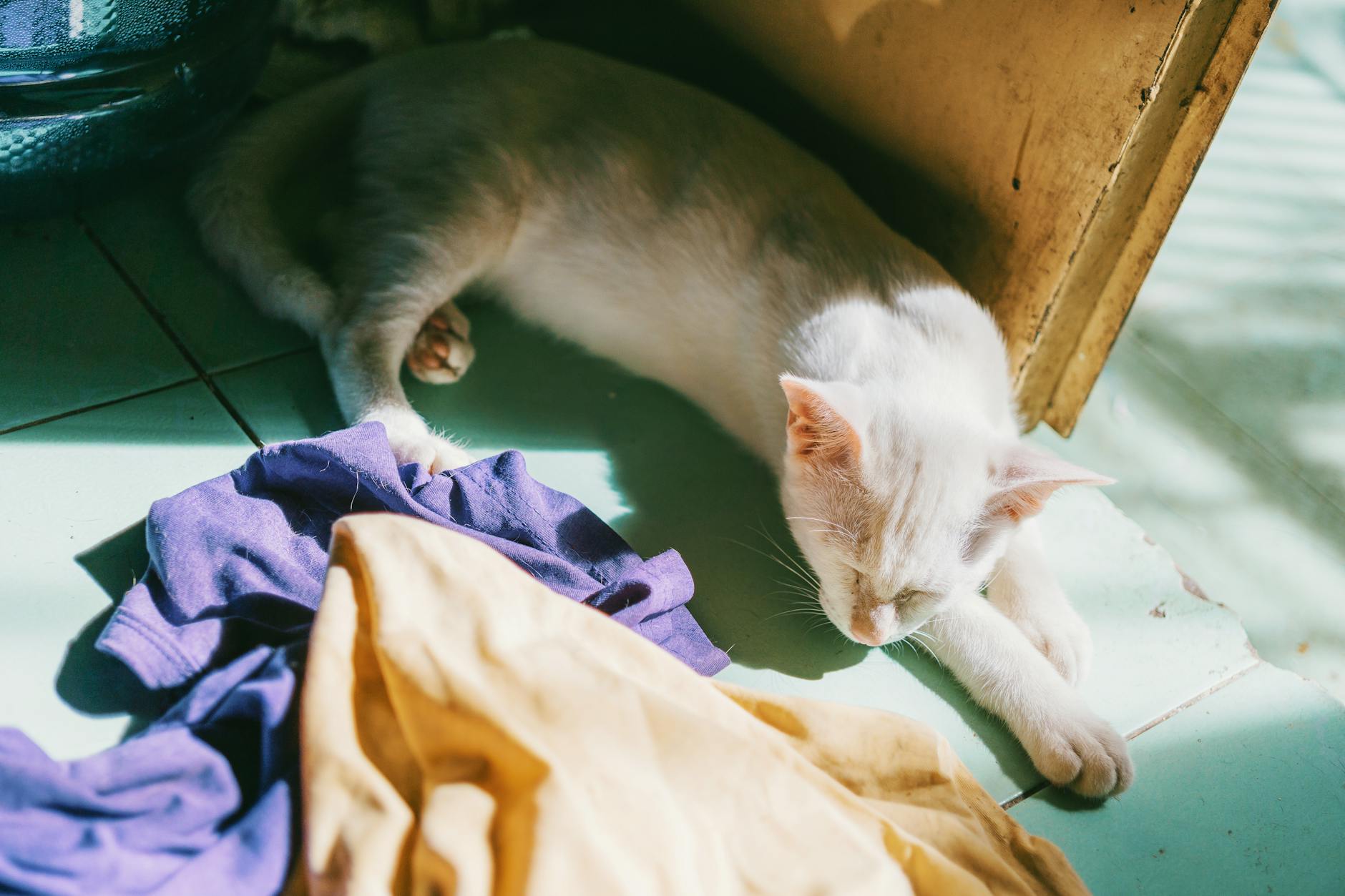
The question “Are cats sensitive to laundry detergent?” is surprisingly common among pet owners. Our feline companions, with their meticulous grooming habits, are particularly vulnerable to the potential irritants found in our everyday household products. Laundry detergent, designed to clean our clothes, can leave residues that cling to fabrics. When a cat rubs against, lies on, or even just walks across freshly laundered items, they can come into contact with these residues.
What colours are fish most attracted to?
Can you put your finger in a trout's mouth?
Is methylene blue anti bacterial?
Does aquarium salt raise pH in aquarium?
The Culprits: Common Ingredients in Laundry Detergents

Several components commonly found in laundry detergents can trigger adverse reactions in cats:
- Fragrances: Artificial fragrances are a primary culprit. The complex blend of chemicals used to create scents can be highly irritating.
- Dyes: Similar to fragrances, dyes can cause skin irritation and allergic reactions.
- Surfactants: These are cleaning agents designed to break down dirt and grease. While effective, they can also strip the skin of its natural oils, leading to dryness and irritation.
- Preservatives: Used to prevent bacterial growth in detergents, preservatives can sometimes be harsh and irritating.
- Enzymes: While designed to break down stains, these enzymes can sometimes cause allergic reactions in sensitive animals.
Symptoms of Laundry Detergent Sensitivity in Cats
If your cat is sensitive to laundry detergent, you might observe several signs:
- Excessive Grooming: A cat might lick or groom excessively in specific areas, attempting to relieve itching or irritation.
- Skin Irritation: Look for redness, inflammation, or small bumps (hives) on the skin.
- Hair Loss: Over-grooming can lead to hair loss, particularly in the affected areas.
- Scratching: Increased scratching is a common sign of skin irritation.
- Sneezing and Coughing: In some cases, respiratory symptoms may arise, especially if the cat inhales detergent residue.
- Digestive Issues: If the cat ingests detergent residue through grooming, it may experience vomiting or diarrhea.
Diagnosis and Veterinary Care
If you suspect your cat is reacting to laundry detergent, a trip to the vet is crucial. The vet can rule out other potential causes of the symptoms, such as fleas, allergies to food or environmental factors, or underlying skin conditions. They might perform skin scrapings or allergy tests to pinpoint the exact cause.
Choosing Cat-Friendly Laundry Detergents
Fortunately, many detergents are now available that are formulated to be gentler and less irritating. Look for the following characteristics:
- Fragrance-Free: Avoid detergents with artificial fragrances.
- Dye-Free: Opt for clear or colorless detergents.
- Hypoallergenic: These detergents are specifically formulated to minimize the risk of allergic reactions.
- Sensitive Skin Formulas: These are often designed for babies or people with sensitive skin and are usually gentler on pets.
- Natural or Plant-Based Ingredients: These can often be less irritating than synthetic chemicals.
Preventative Measures Beyond Detergent Choice
Beyond choosing the right detergent, consider these preventative measures:
- Double Rinse: When washing your cat’s bedding or your own items that your cat frequently interacts with, double rinse the items to remove excess detergent residue.
- Avoid Fabric Softeners and Dryer Sheets: These products often contain chemicals that can be irritating to cats.
- Clean Your Washing Machine: Regularly clean your washing machine to remove any lingering detergent residue.
- Keep Laundry Away from Cats: Store laundry detergent and freshly laundered items in a place where your cat cannot access them.
A Note on Fabric Softeners
Fabric softeners, both liquid and dryer sheets, are notorious for containing potentially harmful chemicals that can irritate your cat’s skin and respiratory system. Many commercial brands contain quaternary ammonium compounds (“quats”), which can be particularly problematic. Eliminating fabric softener altogether is highly recommended when you have cats in the house.
A Quick Guide to Comparing Detergent Options
| Feature | Conventional Detergent | Hypoallergenic Detergent | Natural/Plant-Based Detergent |
|---|---|---|---|
| Fragrance | Often Present | Typically Fragrance-Free | Often Essential Oils |
| Dyes | Often Present | Typically Dye-Free | Often Dye-Free |
| Surfactants | Synthetic | Synthetic, Gentle | Plant-Derived |
| Risk of Irritation | Higher | Lower | Lower |
Frequently Asked Questions (FAQs)
Can laundry detergent cause my cat to vomit?
Yes, ingesting laundry detergent residue, even in small amounts, can certainly cause vomiting in cats. This is because the chemicals in detergent can irritate the lining of their stomach and digestive tract. If your cat vomits after coming into contact with freshly laundered items, contact your veterinarian.
Are certain breeds more susceptible to detergent allergies?
While any cat can be sensitive to laundry detergent, some breeds with sensitive skin, such as Sphynx or Devon Rex, might be more prone to developing allergic reactions or irritation. However, this is not a hard and fast rule.
How can I tell the difference between a detergent allergy and other allergies in my cat?
Differentiating can be tricky. Consider whether the symptoms correlate with freshly laundered items. Also, dietary allergies often manifest with digestive issues, while environmental allergies may be seasonal. A veterinarian can perform allergy tests to provide a definitive diagnosis.
Is baking soda a safe alternative to laundry detergent for washing my cat’s bedding?
Baking soda can be used as a laundry booster and deodorizer, but it’s not a substitute for detergent. It can help reduce the amount of detergent needed, and using it along with a fragrance-free, dye-free detergent can be safer.
My cat only shows symptoms in the winter. Could laundry detergent still be the cause?
Yes, potentially. During winter, people tend to wash heavier blankets and bedding more frequently. Increased contact with these items, even if using the same detergent, could trigger symptoms. Also, the cat might be spending more time indoors where the laundered items are prevalent.
How long does it take for a detergent allergy to clear up once I switch detergents?
It varies, but you should typically see improvement within 1-2 weeks of switching to a gentler detergent and taking preventative measures. If symptoms persist beyond that, consult with your veterinarian.
Can I use essential oils in my laundry if I have cats?
Most essential oils are toxic to cats. Even when diluted in laundry, the scent can be irritating and potentially harmful if ingested. It’s best to avoid using essential oils in your laundry when you have feline companions.
What if my cat only comes into contact with my clothes occasionally? Is detergent still a concern?
Even occasional contact can trigger a reaction in a sensitive cat. It’s always best to use a cat-friendly detergent for all laundry to minimize the risk.
Should I wash new clothes before my cat interacts with them?
Yes, it’s always a good idea to wash new clothes before your cat comes into contact with them. New clothing can contain chemical residues from the manufacturing process that could be irritating to your cat’s skin.
What are some safe alternatives to dryer sheets?
Wool dryer balls are a natural and effective alternative to dryer sheets. They help soften clothes and reduce static without the use of harsh chemicals.
Is it possible for my cat to develop a detergent allergy over time, even if they haven’t had issues before?
Yes, allergies can develop at any time in a cat’s life. Changes in their immune system or prolonged exposure to irritants can trigger a sensitivity.
Are “eco-friendly” detergents always safe for cats?
While “eco-friendly” detergents often use plant-based ingredients, it’s crucial to still check the ingredient list carefully. Look for fragrance-free and dye-free options, even within the eco-friendly category, as some plant-derived ingredients can still be irritating.