
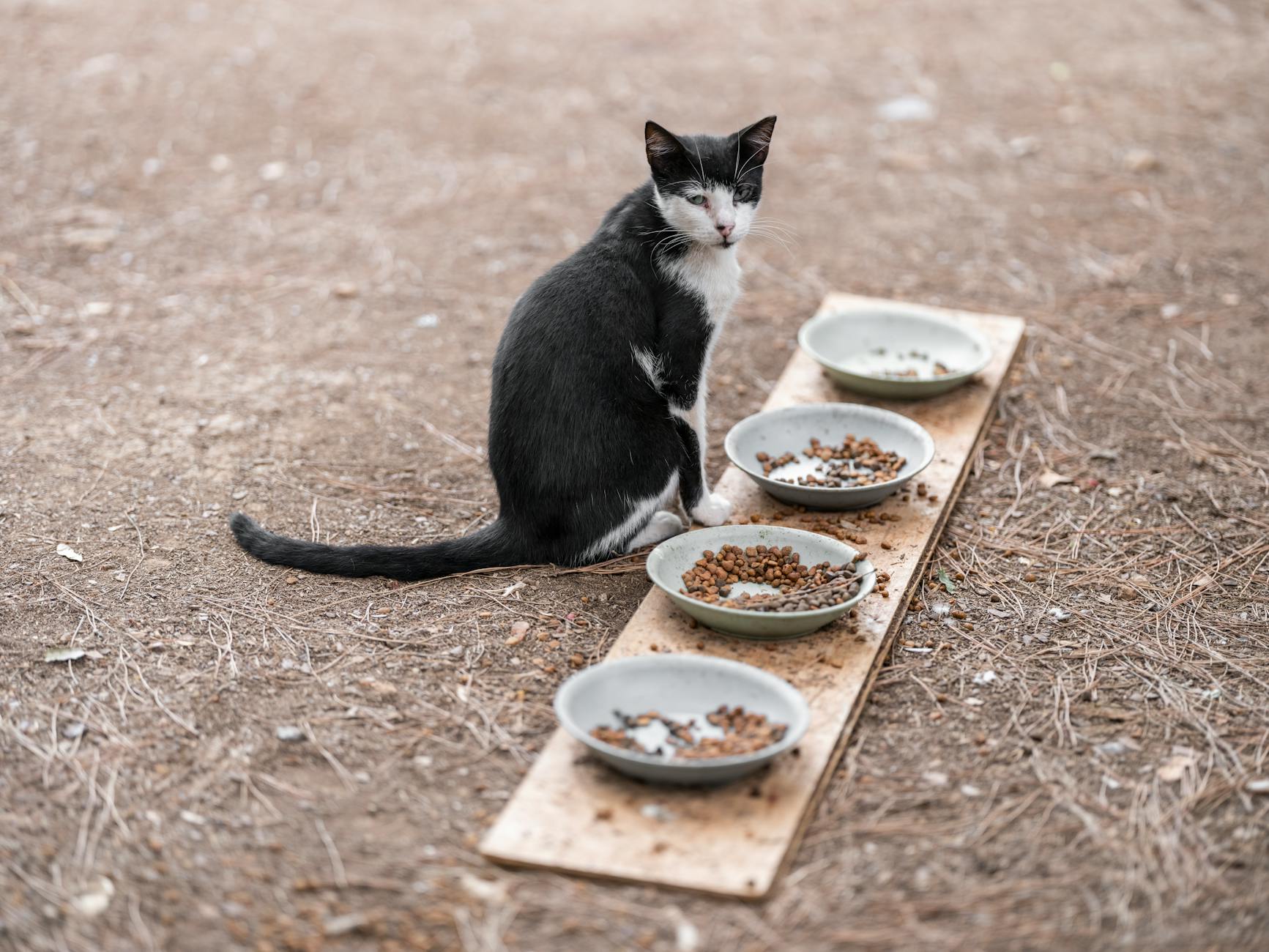
Are Cats OK with Just Wet Food?
Yes, cats can absolutely be OK with just wet food, and in many cases, it can be a healthier option than dry kibble. Wet food provides crucial hydration and can support kidney function and overall well-being.
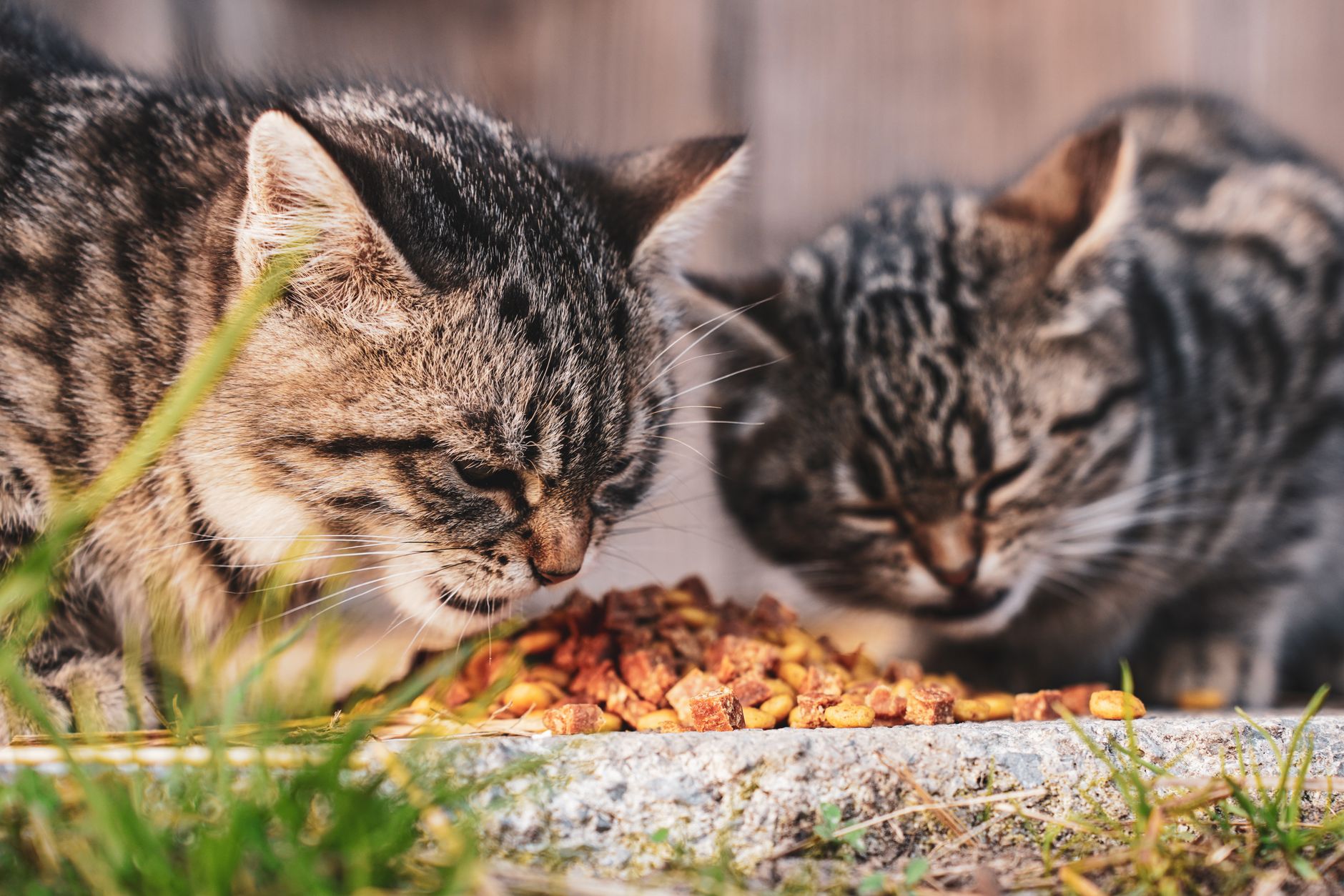
Introduction: A Deep Dive into Feline Hydration and Nutrition
The age-old debate: kibble vs. canned. For feline enthusiasts, the nutritional landscape can seem like a minefield. While dry food remains a popular choice due to its convenience and cost-effectiveness, a growing body of evidence suggests that are cats OK with just wet food? The answer, resounding and clear, is often yes, and perhaps even preferable. Understanding the physiological needs of our feline companions is paramount in choosing the optimal diet, and wet food offers several key advantages.

What colours are fish most attracted to?
Can you put your finger in a trout's mouth?
Is methylene blue anti bacterial?
Does aquarium salt raise pH in aquarium?
The Hydration Factor: A Cat’s Achilles Heel

Cats are notoriously poor drinkers. Their evolutionary history in desert environments has predisposed them to obtain most of their water from their prey. This inherent trait makes them susceptible to dehydration, which can lead to various health problems, including urinary tract diseases and kidney issues.
- Wet food boasts a significantly higher moisture content, typically around 70-80%, compared to dry kibble, which usually contains only 6-10%.
- This increased hydration helps maintain kidney health, flushes out toxins, and reduces the risk of crystal formation in the urinary tract.
- For cats prone to constipation, the increased moisture content in wet food can aid digestion and promote regular bowel movements.
Nutritional Advantages of Wet Food
Beyond hydration, wet food offers several nutritional advantages that contribute to a cat’s overall health and well-being.
- Higher Protein Content: Wet food tends to be higher in animal-based protein, which is crucial for muscle development, repair, and overall metabolic function in obligate carnivores like cats.
- Lower Carbohydrate Content: Many dry kibble formulas are high in carbohydrates, which can contribute to weight gain and increase the risk of diabetes in susceptible cats. Wet food generally contains fewer carbohydrates, aligning better with a cat’s natural dietary needs.
- Improved Palatability: The aroma and texture of wet food are often more appealing to cats than dry kibble, especially for picky eaters or senior cats with diminished senses of smell and taste.
Choosing the Right Wet Food: Navigating the Options
The world of wet cat food is vast and varied. Selecting the right option requires careful consideration of ingredients, nutritional content, and your cat’s individual needs.
- Read the Label: Pay close attention to the ingredient list. The first few ingredients should consist of named meat sources, such as chicken, turkey, or fish. Avoid foods with excessive fillers, by-products, or artificial additives.
- Consider the Nutritional Profile: Look for a wet food that is high in protein, moderate in fat, and low in carbohydrates. Ensure it meets the AAFCO (Association of American Feed Control Officials) nutrient profile for your cat’s life stage (kitten, adult, or senior).
- Choose the Right Texture: Wet food comes in various textures, including pate, chunks in gravy, and shredded options. Experiment to find what your cat prefers.
- Variety is Key: Rotate between different flavors and brands to ensure a balanced intake of nutrients and prevent finicky eating habits.
Transitioning to an All-Wet Food Diet: A Gradual Approach
Switching your cat from dry food to a solely wet food diet requires a gradual transition to avoid digestive upset.
- Start Slow: Begin by mixing a small amount of wet food with your cat’s current dry food.
- Gradually Increase the Ratio: Over the course of several days or weeks, gradually increase the proportion of wet food while decreasing the amount of dry food.
- Monitor Your Cat’s Stool: Pay attention to your cat’s stool consistency. If you notice any signs of diarrhea or vomiting, slow down the transition process.
- Provide Fresh Water: Ensure your cat always has access to fresh, clean water, even when eating a predominantly wet food diet.
Addressing Common Concerns: Cost and Convenience
One of the primary concerns associated with feeding cats an all-wet food diet is the cost. Wet food is typically more expensive than dry kibble. However, the potential health benefits and reduced risk of certain diseases can offset the higher cost in the long run. Convenience is another factor. Wet food requires more frequent feeding and is more susceptible to spoilage. Planning and proper storage are essential.
| Factor | Wet Food | Dry Food |
|---|---|---|
| Cost | Generally more expensive | Generally less expensive |
| Hydration | High moisture content (70-80%) | Low moisture content (6-10%) |
| Protein | Typically higher in animal-based protein | Can vary, often includes plant-based protein |
| Carbohydrates | Generally lower | Often higher |
| Palatability | Often more appealing to cats | Can be less appealing to some cats |
| Convenience | Requires more frequent feeding, spoilage risk | More convenient, longer shelf life |
Common Mistakes to Avoid
- Sudden Diet Changes: Abruptly switching to an all-wet food diet can cause digestive upset.
- Overfeeding: Wet food can be more calorie-dense than dry food. Adjust portion sizes accordingly to prevent weight gain.
- Ignoring Dental Health: While wet food doesn’t promote dental health like some dry kibble formulas, regular dental checkups and teeth cleaning are still crucial.
- Selecting Low-Quality Wet Food: Not all wet foods are created equal. Choose options with high-quality ingredients and a balanced nutritional profile.
Frequently Asked Questions
Can wet food alone satisfy all of my cat’s nutritional needs?
Yes, a properly formulated wet cat food that meets AAFCO guidelines can provide all the necessary nutrients for a cat’s health and well-being. Ensure the label indicates that it is “complete and balanced” for your cat’s life stage.
Will my cat get bored eating only wet food?
Possibly. To prevent boredom, rotate flavors and brands of wet food. You can also try different textures, such as pate, chunks, or shredded options.
Is wet food better than dry food for cats with urinary problems?
Generally, yes. The higher moisture content in wet food helps to dilute urine, reducing the risk of crystal formation and urinary tract infections, especially beneficial for cats prone to these issues. This addresses a core element of are cats OK with just wet food.
Does wet food contribute to dental problems in cats?
While wet food doesn’t actively promote dental health like some dry kibble formulas, it also doesn’t necessarily cause dental problems. Regular dental checkups and teeth cleaning are essential regardless of the type of food your cat consumes.
How much wet food should I feed my cat?
The amount of wet food your cat needs depends on factors such as age, weight, activity level, and the calorie content of the food. Follow the feeding guidelines on the can and adjust as needed to maintain a healthy weight.
Can kittens eat only wet food?
Yes, kittens can thrive on a diet of exclusively wet food, as long as it’s specifically formulated for kittens. These formulas are typically higher in calories and essential nutrients to support growth and development.
Is wet food better for senior cats?
Wet food can be particularly beneficial for senior cats, especially those with dental problems or difficulty chewing. The softer texture is easier to eat, and the higher moisture content helps to maintain hydration.
Will wet food make my cat gain weight?
Wet food can contribute to weight gain if overfed. Pay attention to portion sizes and adjust as needed to maintain a healthy weight. Choose lower-calorie options if your cat is prone to weight gain.
What if my cat refuses to eat wet food?
If your cat is reluctant to try wet food, start with small amounts and mix it with their dry food. You can also try warming the wet food slightly to enhance its aroma and make it more appealing. Experiment with different flavors and textures.
How long can I leave wet food out before it spoils?
Wet food spoils quickly at room temperature. Do not leave it out for more than 30 minutes to an hour. Refrigerate any leftovers immediately and discard after 24 hours.
Is there any downside to feeding my cat only wet food?
Besides cost and convenience, some argue that wet food may not provide the same dental benefits as certain dry kibble formulas. However, regular dental care can mitigate this concern.
What are the best brands of wet cat food?
The best brand depends on your cat’s individual needs and preferences. Look for brands that use high-quality ingredients, meet AAFCO guidelines, and are well-reviewed by other cat owners. Some popular options include Wellness, Blue Buffalo, and Royal Canin. Ultimately, assessing are cats OK with just wet food is best addressed by a discussion with your Veterinarian.