
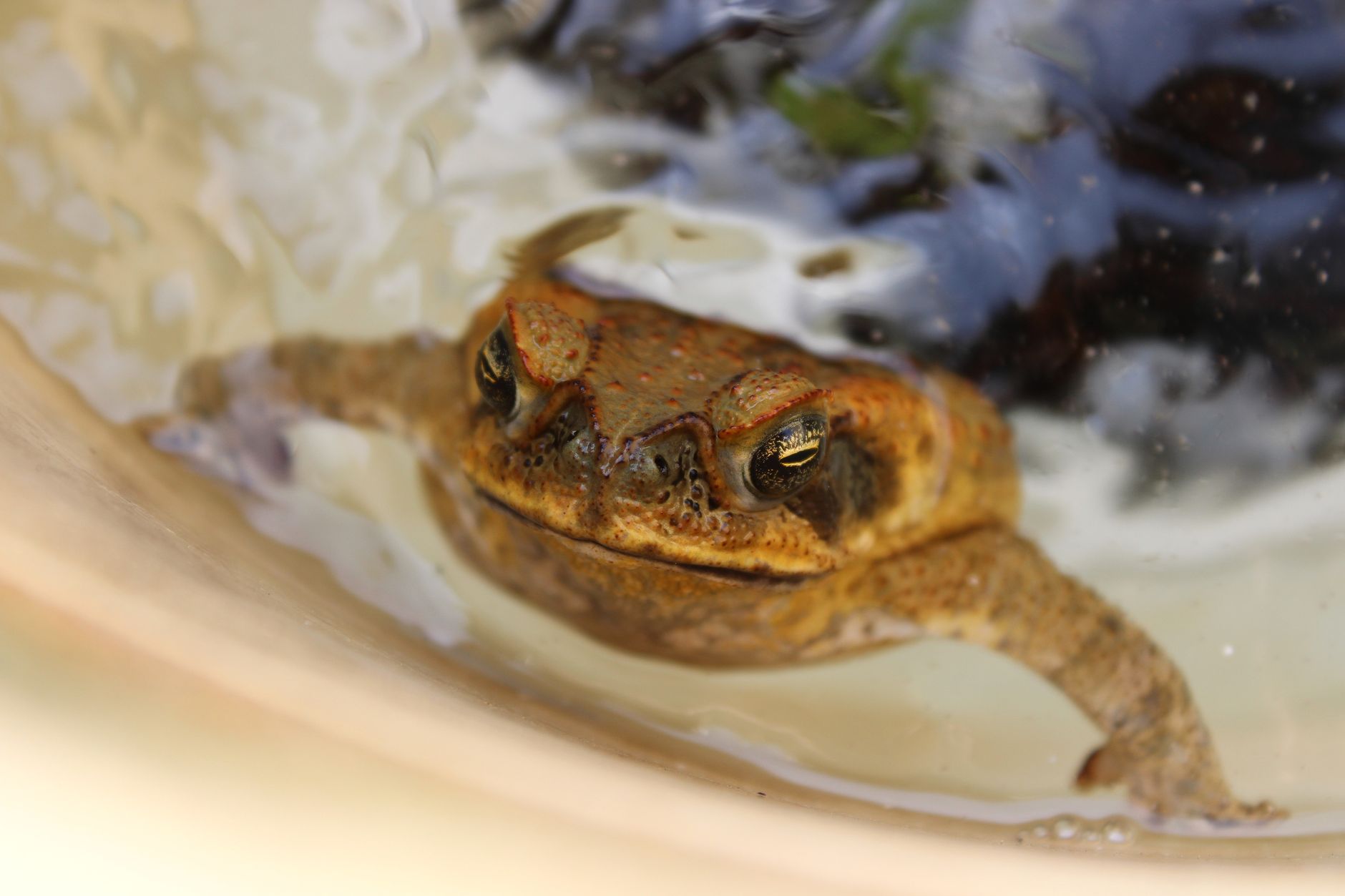
Are Cane Toads Poisonous To Humans To Touch? Exploring the Risks
While touching a cane toad won’t typically kill you, their skin secretions contain toxins that can be harmful if ingested or come into contact with mucous membranes, making caution essential. Therefore, Are cane toads poisonous to humans to touch? – technically, not fatally through casual contact, but potentially harmful nonetheless.

Understanding Cane Toads: An Introduction
Cane toads ( Rhinella marina), also known as giant neotropical toads, are large, terrestrial amphibians native to South and Central America. They were introduced to various parts of the world, including Australia and the Caribbean, primarily to control agricultural pests. Unfortunately, these introductions have resulted in significant ecological damage, as cane toads have become invasive species, preying on native wildlife and poisoning predators that attempt to eat them. Their prolific breeding and adaptability have contributed to their widespread distribution and negative impact. The ecological imbalance caused by cane toads is a stark reminder of the dangers of introducing non-native species into new environments.

What colours are fish most attracted to?
Can you put your finger in a trout's mouth?
Is methylene blue anti bacterial?
Does aquarium salt raise pH in aquarium?
The Poison: Bufotoxin Explained

The poisonous secretions produced by cane toads are primarily composed of bufotoxins. These toxins are complex mixtures of compounds, including bufadienolides, biogenic amines, and alkaloids. The primary route of exposure to bufotoxins in humans is through ingestion or contact with mucous membranes (e.g., eyes, nose, mouth). While the skin of cane toads contains these toxins, simply touching a cane toad usually doesn’t result in severe poisoning in adults. However, it’s still crucial to exercise caution and wash your hands thoroughly after handling a cane toad or any surface it may have touched. Small children and pets are at a higher risk due to their tendency to put things in their mouths.
How Are Cane Toads Poisonous To Humans Through Contact?
While direct skin contact with a cane toad usually doesn’t cause life-threatening poisoning in adults, there are still potential dangers to consider:
- Irritation: Bufotoxins can cause skin irritation, especially in sensitive individuals.
- Accidental Ingestion: If you touch a cane toad and then touch your face, especially your mouth or eyes, you could transfer the toxins to your mucous membranes, potentially causing more serious symptoms.
- Children & Pets: Small children and pets are particularly vulnerable because they are more likely to put their hands or objects in their mouths after touching a toad.
- Open Wounds: If you have open cuts or wounds on your hands, the toxins may be absorbed more readily.
Symptoms of Cane Toad Poisoning
The symptoms of cane toad poisoning can vary depending on the amount of toxin exposure and the individual’s sensitivity. Common symptoms include:
- Excessive salivation
- Irritation and burning sensation in the mouth and eyes
- Nausea and vomiting
- Rapid heartbeat
- Difficulty breathing
- Muscle tremors
- Seizures (in severe cases)
If you suspect that you or someone else has been poisoned by a cane toad, seek immediate medical attention.
First Aid Measures
If you come into contact with a cane toad’s secretions:
- Wash the affected area thoroughly with soap and water.
- If the secretions get into your eyes, rinse them immediately with copious amounts of water for at least 15 minutes.
- Seek medical attention if you experience any symptoms of poisoning.
- For pets, immediately rinse their mouth out thoroughly with running water for at least 10 minutes and seek veterinary care immediately. Time is of the essence when pets are exposed.
Minimizing the Risk: Prevention is Key
The best way to avoid cane toad poisoning is to prevent contact with the toads in the first place:
- Avoid handling cane toads.
- Supervise children and pets in areas where cane toads are present.
- Wear gloves if you need to handle a cane toad for any reason (e.g., removing it from your property).
- Wash your hands thoroughly with soap and water after being in areas where cane toads are present, even if you didn’t directly touch one.
Cane Toad Control: Ethical Considerations
Controlling cane toad populations is a complex issue with ethical considerations. Methods used include:
- Physical Removal: Manually collecting and humanely euthanizing cane toads. This requires proper training and techniques to ensure the toads are dispatched humanely.
- Habitat Modification: Modifying habitats to make them less suitable for cane toads. This can involve reducing standing water or removing food sources.
- Biological Control: Research is ongoing to find biological control agents that can target cane toads without harming native species. This is a long-term strategy with potential risks.
- Exclusion Fencing: Installing fences to prevent cane toads from entering certain areas.
It is crucial to prioritize humane and ethical methods when controlling cane toad populations.
Summary Table of Key Information
| Feature | Description |
|---|---|
| Species | Rhinella marina (Cane Toad) |
| Toxin | Bufotoxins (including bufadienolides) |
| Route of Exposure | Ingestion, contact with mucous membranes (eyes, nose, mouth), open wounds |
| Symptoms | Salivation, irritation, nausea, vomiting, rapid heartbeat, difficulty breathing |
| First Aid | Wash affected area, rinse eyes, seek medical attention (or veterinary care for pets) |
| Prevention | Avoid handling, supervise children & pets, wear gloves, wash hands |
Frequently Asked Questions (FAQs)
Are cane toads poisonous to humans to touch, and can you die from touching one?
Generally, touching a cane toad will not kill an adult. The skin secretions contain toxins, but absorption through intact skin is minimal. However, it’s crucial to wash your hands afterward to prevent accidental ingestion or contact with mucous membranes, which could lead to more serious symptoms.
What happens if a dog licks a cane toad?
If a dog licks a cane toad, the toxins are quickly absorbed through the mucous membranes in the mouth. This can be extremely dangerous, even fatal, depending on the size of the dog and the amount of toxin ingested. Immediate veterinary care is essential.
Are baby cane toads more poisonous than adults?
While the concentration of toxins might be similar, baby cane toads are smaller, so a given dose of toxin represents a larger proportion of their body mass. Therefore, they can be more dangerous to small animals like pets because even a small exposure can have significant effects.
What do I do if my child touches a cane toad?
Immediately wash your child’s hands thoroughly with soap and water. If your child shows any symptoms like excessive salivation, vomiting, or difficulty breathing, seek medical attention immediately. Monitor them closely for any unusual behavior.
How long does cane toad poisoning last?
The duration of cane toad poisoning depends on the severity of the exposure. Mild symptoms may resolve within a few hours with supportive care. More severe cases may require hospitalization and can last for several days.
Are cane toad toxins used for anything beneficial?
Historically, some cultures have used cane toad secretions in traditional medicine, but these practices are generally discouraged due to the risk of poisoning. There is ongoing research into the potential pharmaceutical applications of bufotoxins, but nothing conclusive has emerged to date.
How can I tell the difference between a cane toad and a native frog?
Cane toads have distinct characteristics: large size (often over 4 inches), warty skin, bony ridges above the eyes, and parotoid glands (large, bean-shaped glands behind the ears). Native frogs typically have smoother skin, lack the bony ridges, and have smaller or less prominent parotoid glands.
What is the best way to humanely euthanize a cane toad?
The most humane method involves applying a topical anesthetic to the toad’s skin to numb it, followed by placing it in a sealed container and freezing it for at least 24 hours. This ensures a painless death. Avoid using methods like hitting them with a blunt object, which can cause unnecessary suffering.
Are cane toads poisonous even after they are dead?
Yes, cane toad toxins can remain potent even after the toad is dead. Handle dead cane toads with gloves and dispose of them properly to prevent accidental exposure.
Can cane toads spray their poison?
Cane toads do not spray their poison. They secrete it from their parotoid glands when threatened. The poison needs to come into physical contact with a surface to cause harm.
Why were cane toads introduced to Australia?
Cane toads were introduced to Australia in the 1930s to control cane beetles, which were damaging sugarcane crops. This biological control attempt was a failure, as the toads did not effectively control the beetles and became a major invasive species.
Is it possible to develop immunity to cane toad poison?
While some native animals in Australia have developed some tolerance to cane toad toxins through natural selection, it is not possible for humans to develop immunity. Continued exposure to the toxins is dangerous and should be avoided.